


If the Second Sino-Japanese War was a tempest, the Battle of Shanghai was its fiercest storm, ravaging the city and leaving an indelible mark on the trajectory of modern warfare. This pivotal conflict, which began on August 13, 1937, would become synonymous with brutal urban warfare, aerial bombings, and the devastating consequences of unchecked aggression.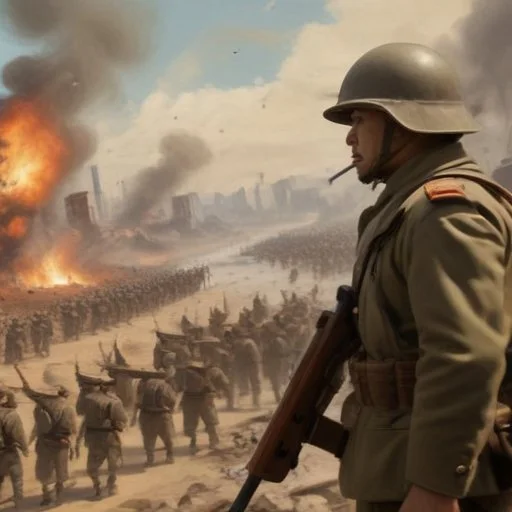
Shanghai, the cosmopolitan gem of China, was more than just a prized city – it was a vital trade hub, a symbol of national pride, and a strategic key to unlocking the country's rich resources. Its importance was not lost on the Japanese forces, who coveted the city as a crucial stepping stone for their expanding empire.
As the Japanese forces prepared to launch their surprise attack, General Zhang Zhizhong stood tall, ready to defend his city against all odds. This seasoned war veteran, with his unwavering determination and unmatched tactical prowess, would become the face of Chinese resistance against the Japanese aggressors.
For three grueling months, the Battle of Shanghai raged on, reducing the city to rubble and claiming countless lives. Japanese troops poured in, unleashing a torrent of artillery fire, aerial bombings, and indiscriminate slaughter. The Chinese nationalist forces, vastly outnumbered and outgunned, fought valiantly, but their bravery was often overshadowed by the sheer ferocity of the Japanese onslaught.
The Battle of Shanghai marked a grim turning point in the nature of modern warfare. For the first time, aerial bombing became a primary tactic, as Japanese planes rained destruction upon the city's civilian population. The once-bustling streets of Shanghai became a maelstrom of chaos, as snipers, artillery fire, and street-to-street combat reduced the city to smoldering ruins.
The Battle of Shanghai sent shockwaves around the world, as the international community awoke to the brutal reality of Japan's aggressive expansion. The conflict foreshadowed the devastating consequences of unchecked militarism, serving as a dire warning to nations torn between appeasement and resistance.
In the aftermath of the battle, as the dust settled on the ruins of Shanghai, the world caught a glimpse of the abyss that awaited humanity if the forces of militarism and aggression were left unchecked. The Battle of Shanghai became a haunting reminder of the horrors that lay ahead, should the world fail to stand united against the forces of darkness.
Today, as we reflect on the Battle of Shanghai, we honor the memories of the countless lives lost, the brave soldiers who fought against impossible odds, and the innocent civilians who suffered unimaginable horrors. Their sacrifice serves as a poignant reminder of the devastating cost of war and the enduring importance of peace.
The Japanese invasion of Shanghai was not a sudden event, but rather the culmination of a series of provocations and aggressive moves by Japan in the years leading up to the battle. In 1931, Japan invaded Manchuria, a region in northeastern China, under the pretext of protecting Japanese interests. This move was met with international condemnation, but Japan continued to expand its territorial control, eventually leading to the escalation of tensions with China.
In the years that followed, Japan continued to flex its military muscles, engaging in skirmishes and clashes with Chinese forces along the border. These incidents, coupled with Japan's increasingly belligerent rhetoric, created an atmosphere of tension and unease in the region, ultimately setting the stage for the Battle of Shanghai.
General Zhang Zhizhong, the commander of the Chinese nationalist forces during the Battle of Shanghai, was a man of unyielding determination and unwavering patriotism. Born in 1895, Zhang was a veteran of the Northern Expedition, a military campaign that reunified China under the Kuomintang government in the 1920s. He was known for his military prowess, strategic thinking, and ability to inspire his troops.
Despite being vastly outnumbered and outgunned, Zhang remained resolute in his defense of Shanghai, rallying his troops with impassioned speeches and leading from the front lines. His bravery and leadership during the battle earned him the respect and admiration of his soldiers, as well as the international community.
The Battle of Shanghai and the Battle of Stalingrad, fought during World War II, share striking similarities as brutal and devastating urban conflicts. Both battles saw heavily armed forces, determined to capture strategic cities, engage in intense and relentless fighting, resulting in massive destruction and civilian casualties.
In both cases, the defenders of the city, despite being vastly outnumbered and outgunned, managed to inflict significant losses on the attackers, buying time for their forces to regroup and counterattack. The sieges of both cities lasted for months, with the outcome hanging in the balance, and the world watching in horror as the destruction unfolded.
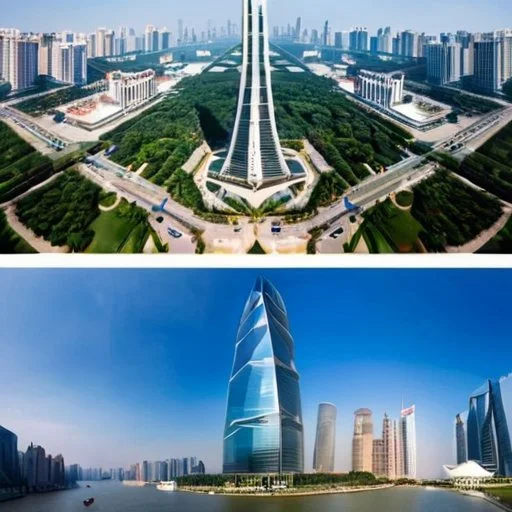
The Battle of Shanghai had a profound impact on Chinese culture, as the city's cosmopolitan personality was forever changed by the devastating conflict. The once-thriving cultural scene, which had made Shanghai a hub of art, literature, and music, was severely disrupted by the war.
Many prominent artists, writers, and intellectuals fled the city, seeking refuge in other parts of China or abroad. The battle also led to a shift in the cultural narrative, as Chinese artists and writers began to focus on themes of resistance, sacrifice, and national identity.
The Battle of Shanghai marked a significant turning point in the development of modern warfare, as aerial bombing became a primary tactic for the first time. The Japanese military's extensive use of airpower, including bombers and fighter planes, caught the Chinese forces off guard, and the city's defenses were quickly overwhelmed.
The devastating consequences of aerial bombing, including widespread civilian casualties and destruction of infrastructure, foreshadowed the devastating impact of airpower in future conflicts, including World War II and beyond.