Vatican II: Catholic Church's Major Modernizing Reform Begins
In a revolutionary move, Pope John XXIII boldly convened the Second Vatican Council, a monumental gathering of Catholic bishops, theologians, and experts from around the world. This historic event marked a significant departure from the Church's traditional stance, as 2,500 delegates gathered to modernize the Church, tackle pressing issues, and reinvigorate Catholicism for the modern era.
The Second Vatican Council: A Revolutionary Turning Point in Catholic History
A Break with Tradition: Convening the Council
The Second Vatican Council, convened by
Pope John XXIII in 1962, marked a groundbreaking departure from the Roman Catholic Church's traditional stance, ushering in an era of modernization and reform. This monumental gathering of Catholic bishops, theologians, and experts from around the world was unprecedented in its scope and ambition, aiming to reinvigorate Catholicism for the contemporary era.
Historical Context: A Church in Need of Reform
In the post-war era, the Catholic Church faced numerous challenges, including a decline in vocations, diminishing attendance, and growing secularization. The Church's failure to address these issues led to a sense of stagnation, prompting calls for reform and renewal. Against this backdrop, Pope John XXIII's decision to convene the Second Vatican Council was a bold move, signaling a willingness to engage with the modern world and adapt to changing circumstances.
Key Figures: Architects of Change
- Pope John XXIII: The visionary Pope who convened the Council, known for his charismatic leadership and commitment to reform.
- Cardinal Leo Jozef Suenens: A leading figure in the Council's preparatory phase, instrumental in shaping the Council's agenda and tone.
- Father Yves Congar: A prominent theologian and Council expert, influential in crafting key documents and shaping the Council's theological trajectory.
A Timeline of Events: From Preparation to Implementation
- 1959: Pope John XXIII announces his intention to convene the Second Vatican Council, sparking a wave of excitement and anticipation.
- 1960-1962: The Council's preparatory phase, during which bishops, theologians, and experts from around the world gather to discuss and shape the Council's agenda.
- October 11, 1962: The Council officially opens, with over 2,500 delegates from 116 countries in attendance.
- December 8, 1965: The Council concludes, having produced a comprehensive body of reforms and documents that would shape the Church's future.
Major Outcomes and Impacts: A New Era of Catholicism
The Second Vatican Council produced a wealth of significant documents, including:
- Lumen Gentium (The Dogmatic Constitution on the Church): A foundational document redefining the Church's role in the modern world.
- Gaudium et Spes (The Pastoral Constitution on the Church in the Modern World): A groundbreaking document examining the Church's relationship with the contemporary world.
- Dei Verbum (The Dogmatic Constitution on Divine Revelation): A landmark document reexamining the Church's understanding of Scripture and Tradition.
These documents, among others, helped to:
- Revitalize the Church's liturgy, introducing vernacular languages and greater lay participation.
- Foster greater ecumenical dialogue, encouraging collaboration and understanding with other Christian denominations.
- Emphasize the Church's mission to serve the poor, the marginalized, and the environment.
Cultural and Social Influences: A Changing World
The Second Vatican Council coincided with a period of profound social and cultural change, including:
- The rise of the Civil Rights movement in the United States.
- The burgeoning feminist movement, challenging traditional gender roles and expectations.
- The growing global awareness of poverty, inequality, and environmental degradation.
These developments influenced the Council's deliberations, as bishops and theologians sought to adapt the Church's message to the needs and concerns of the modern world.
Controversies and Public Perception: A Council of Debate
The Second Vatican Council was not without controversy, as debates raged over issues such as:
- The role of the laity in the Church.
- The use of vernacular languages in the liturgy.
- The Church's stance on contraception and women's rights.
Despite these challenges, the Council's documents and reforms were widely hailed as a bold step forward, injecting new life into the Catholic Church and shaping its trajectory for generations to come.
Quotes and Memorable Sayings: Words of Wisdom
- "We are not on the defensive, but on the offensive – offensive in charity, that is." – Pope John XXIII
- "The Church must be in the world, but not of the world." – Father Yves Congar
- "The Council is not an end, but a beginning." – Cardinal Leo Jozef Suenens
These quotes capture the spirit of reform and renewal that defined the Second Vatican Council, a pivotal moment in Catholic history that continues to shape the Church's identity and mission.
Character Study
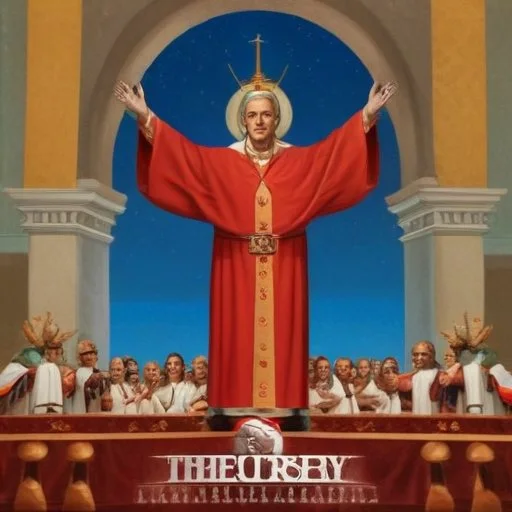
Cardinal Frings: The Bridge Builder
Cardinal Josef Frings, a key figure in the Second Vatican Council, played a crucial role in bridging the gap between progressive and conservative factions within the Church. His commitment to ecumenism and his willingness to engage with modernity made him a powerful ally for Pope John XXIII and a driving force behind the Council's reforms.
As the Archbishop of Cologne, Frings was known for his inclusive and forward-thinking approach to Catholicism, earning him the respect and admiration of his peers. His influence was instrumental in shaping the Council's document on ecumenism, Unitatis Redintegratio, which paved the way for greater Christian unity.
Frings' legacy extended beyond the Council, as his commitment to interfaith dialogue and social justice inspired a new generation of Catholic leaders.

Detailed Cultural Impact Report
The Council's Cultural Ripple Effect
The Second Vatican Council's emphasis on social justice and human dignity resonated deeply with the cultural and social movements of the 1960s. The Council'sDocuments, such as Gaudium et Spes, spoke directly to the concerns of the era, addressing issues like poverty, inequality, and environmental degradation.
The Council's influence extended beyond the Church, as its message of social justice and human dignity inspired activism and advocacy across the globe. From civil rights to anti-war movements, the Council's call to action found resonance in the slogans and ideals of the era.
The Council's cultural impact was not limited to the 1960s, as its influence can still be seen in contemporary social justice movements and advocacy efforts.
Thorough Geopolitical Study
The Global Context of Vatican II
In the midst of the Cold War, the Second Vatican Council took place against a backdrop of international tension and ideological polarization. The Council's emphasis on ecumenism and dialogue with other Christian denominations was seen as a beacon of hope in a divided world.
The Council's documents, such as Lumen Gentium, acknowledged the Church's responsibility to engage with the world and address global issues like poverty, inequality, and war. This global perspective marked a significant shift in the Church's understanding of its role in the world.
The Council's global context highlights the significance of its message, as it sought to bring people together in a time of great division and uncertainty.
Historiographical Analysis
Interpreting the Council: Historiographical Perspectives
Historians and theologians have long debated the significance and legacy of the Second Vatican Council. Some have seen it as a necessary response to the challenges of modernity, while others have viewed it as a betrayal of the Church's traditional teachings.
From the perspective of Church history, the Council marks a significant turning point in the development of Catholic theology and practice. It represents a shift from a Tridentine to a more pastoral and ecumenical approach, emphasizing the Church's role in the world.
These contrasting interpretations highlight the complexity and richness of the Council's legacy, as scholars continue to grapple with its meaning and significance.
Full Artifact Examination
The Council's Documents: A Blueprint for Reform
The documents of the Second Vatican Council, also known as the Conciliar documents, constitute a comprehensive blueprint for reform and renewal within the Catholic Church. These texts, including Lumen Gentium, Gaudium et Spes, and Dei Verbum, provide a framework for understanding the Council's vision and goals.
The documents demonstrate the Council's commitment to ecumenism, social justice, and liturgical reform, as well as its willingness to engage with modernity and address the concerns of the contemporary world.
The Conciliar documents remain a vital resource for Catholic scholars, theologians, and clergy, offering guidance and inspiration for continued reform and renewal.


