


On October 21, 1994, the Seongsu Bridge in Seoul, South Korea, became a scene of unimaginable horror as a 60-meter span of the bridge suddenly collapsed, sending cars and pedestrians plummeting into the Han River below. This devastating incident would claim 32 lives and leave the nation in shock, sparking a wave of outrage over lax safety standards and corruption.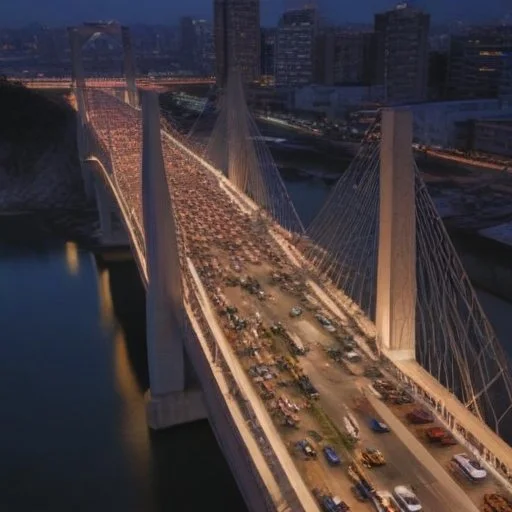
The Seongsu Bridge was a major artery for Seoul's bustling traffic, connecting the eastern and western parts of the city. However, beneath its busy surface, the bridge was hiding a dark secret. Despite recent renovations, the bridge's structural integrity was woefully inadequate, and its maintenance had been compromised by corruption and negligence.
The Seongsu Bridge disaster sent shockwaves throughout South Korea, prompting widespread outrage and calls for accountability. The government was criticized for its lack of oversight and corruption, which had compromised the safety of the bridge. The incident sparked a national debate on safety standards and brought attention to the need for stricter regulations and more transparent governance.
The Seongsu Bridge disaster led to a major overhaul of South Korea's infrastructure and safety policies. The government implemented new safety regulations, increased funding for infrastructure maintenance, and introduced measures to combat corruption. The incident also prompted a renewed focus on disaster preparedness and emergency response, with the establishment of a national emergency management agency.
The Seongsu Bridge disaster will always be remembered as a tragic reminder of the importance of safety and accountability. The 32 lives lost that day will never be forgotten, and their memory will continue to inspire change and improvement in South Korea.
The Seongsu Bridge disaster serves as a sobering reminder of the importance of prioritizing safety and maintenance in infrastructure development. It highlights the need for transparency, accountability, and a commitment to protecting the lives of citizens. As we reflect on this tragedy, we are reminded that safety must always be our top priority.
The Seongsu Bridge disaster is not an isolated incident. Similar bridge collapses have occurred around the world, often with devastating consequences. One notable example is the collapse of the I-35W Mississippi River Bridge in Minneapolis, Minnesota, USA, in 2007, which killed 13 people and injured 145. Like the Seongsu Bridge, the I-35W bridge had a history of structural problems and inadequate maintenance. Comparative analysis of these two incidents reveals a pattern of neglect and oversight that can have deadly consequences.
Another comparable disaster is the Ponte Morandi bridge collapse in Genoa, Italy, in 2018, which killed 43 people. In all three cases, a combination of factors contributed to the collapse, including design flaws, poor maintenance, and corruption. By examining these similar disasters, we can gain a deeper understanding of the systemic failures that led to the Seongsu Bridge tragedy.

The Seongsu Bridge disaster had significant economic implications for South Korea. The government was forced to invest heavily in repairing and rebuilding the bridge, with estimates suggesting that the total cost exceeded 100 billion won (approximately $80 million USD). Additionally, the disaster led to increased spending on infrastructure maintenance and safety measures across the country.
The disaster also had a ripple effect on the economy, as businesses and industries reliant on the bridge suffered losses due to disrupted transportation and supply chains. The construction and manufacturing sectors were particularly hard hit, with many companies experiencing delays and increased costs.
The Seongsu Bridge disaster led to a major political shake-up in South Korea. The government faced widespread criticism for its handling of the disaster, with many blaming corruption and incompetence for the tragedy. In response, President Kim Young-sam took steps to address the issues, including appointing a new minister of construction and transportation.
The disaster also led to calls for greater transparency and accountability in government. The opposition party seized on the tragedy as a symbol of the ruling party's failures, and the incident played a significant role in the 1995 parliamentary elections.
The Seongsu Bridge disaster had a profound cultural impact on South Korea. The tragedy served as a wake-up call, highlighting the need for greater emphasis on safety and accountability in all aspects of life. It also sparked a national conversation about the values and priorities of Korean society.
The disaster inspired a wave of creative works, including films, literature, and art, that explored themes of tragedy, loss, and redemption. It also led to changes in the way Koreans approach risk and safety, with a greater emphasis on precaution and prevention.
The Seongsu Bridge disaster occurred at a time of significant geopolitical change in South Korea. The country was in the midst of rapid economic development and industrialization, and the bridge was a critical piece of infrastructure supporting this growth.
The disaster highlighted the vulnerability of South Korea's infrastructure to external pressures, including those related to trade and economics. It also underscored the need for the country to prioritize investment in its infrastructure in order to maintain its competitive edge in the global economy.