


The 2005 Philippine bombings served as a grim reminder of the devastating consequences of terrorism and the importance of collective action in combating this global menace. As the nation continues to grapple with the aftermath of the attacks, it is imperative that we honor the memory of the victims by working towards a more peaceful and secure future for all.
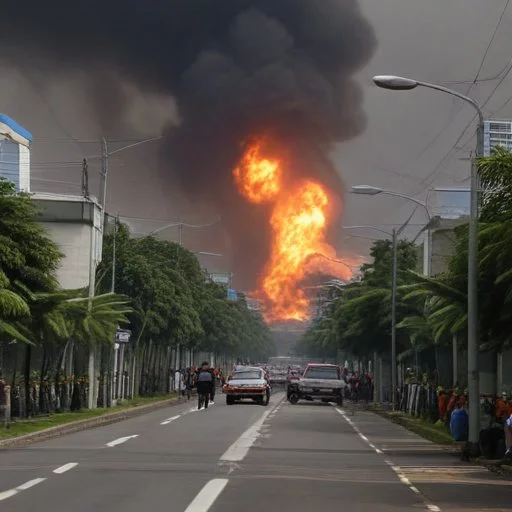
The roots of the 2005 Philippine bombings can be traced back to the 1990s, when the Philippines became a haven for Islamic extremists. The country's porous borders and corrupt government officials facilitated the entry and operation of terrorist groups, including Abu Sayyaf and Jemaah Islamiyah. These groups, fueled by a radical ideology, began to recruit and train local militants, laying the groundwork for future attacks.
In the years leading up to the 2005 bombings, the Philippines witnessed a surge in terrorist activities, including kidnappings, beheadings, and bombings. The government, however, was slow to respond, lacking the resources and political will to effectively combat the growing threat. This created a power vacuum that terrorist groups eagerly filled, paving the way for the devastating attacks on Valentine's Day 2005.
The historical narrative of the 2005 Philippine bombings is a complex tale of government neglect, terrorist opportunism, and human tragedy.
The 2005 Philippine bombings had a profound impact on the nation's cultural psyche. The attacks, which targeted civilians in public spaces, shattered the sense of security and normalcy that Filipinos had taken for granted. In the aftermath of the bombings, many Filipinos began to question their identity and values, wondering how such a heinous act could occur in their country.
The bombings also sparked a vibrant cultural response, with artists, writers, and musicians creating works that reflected the nation's grief, anger, and resilience. Music, in particular, played a significant role in the healing process, with songs like "Hindi Na Nga Ano" and "Patria Adorada" becoming anthems of hope and defiance.
The cultural impact of the 2005 Philippine bombings continues to be felt, inspiring a new generation of Filipinos to engage in the struggle against terrorism and extremism.
The 2005 Philippine bombings had significant economic implications for the country. The attacks, which targeted major cities and tourist hubs, led to a decline in foreign investment and tourism. The tourism industry, in particular, suffered greatly, with many countries issuing travel warnings and advisories against visiting the Philippines.
The economic impact of the bombings was felt across various sectors, including agriculture, manufacturing, and services. The country's Gross Domestic Product (GDP) growth rate slowed down, and many businesses, especially small and medium enterprises, struggled to stay afloat.
The 2005 Philippine bombings highlighted the need for the government to invest in security and infrastructure, and to develop strategies to mitigate the economic impacts of terrorism.
The 2005 Philippine bombings occurred in a complex geopolitical context. The country was struggling to contain the growth of Islamic extremism, while also facing challenges from the global war on terror. The bombings, which were perpetrated by Abu Sayyaf, a group linked to al-Qaeda, highlighted the transnational nature of terrorism.
The Philippines, located in a strategic region, is a crucial player in the global fight against terrorism. The country's response to the 2005 bombings, including its cooperation with other nations, was seen as critical to regional and global security.
The geopolitical context of the 2005 Philippine bombings underscored the need for international cooperation and collective action in combating terrorism.
Khadaffy Janjalani, the notorious leader of Abu Sayyaf, was a key figure behind the 2005 Philippine bombings. Born in 1975, Janjalani was radicalized in the 1990s, and quickly rose through the ranks of Abu Sayyaf, becoming its leader in 2003.
Janjalani was known for his cunning and ruthlessness, and was responsible for many terrorist attacks in the Philippines. He was also wanted by the United States for his role in the kidnapping and murder of American citizens.
Khadaffy Janjalani's involvement in the 2005 Philippine bombings cemented his reputation as one of the most feared terrorist leaders in Southeast Asia.