


The Bangladesh tornado of 1993 is etched in memory as one of the deadliest tornado events in recorded history, claiming the lives of 600 people and leaving a trail of devastation in its wake. This catastrophic disaster served as a harsh reminder of the importance of disaster preparedness in vulnerable regions, exposing the fragility of human existence in the face of nature's fury.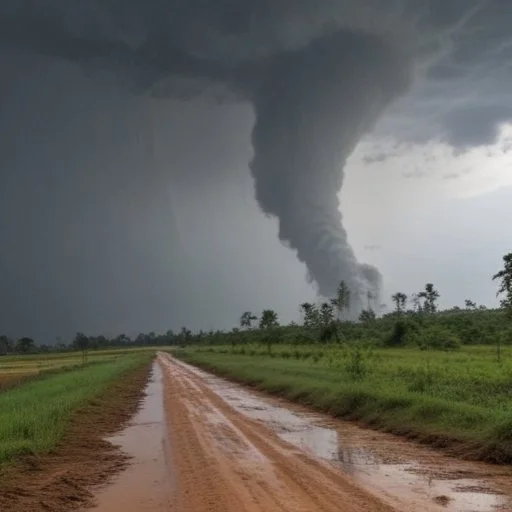
Bangladesh, a country prone to natural disasters, has a history of devastating tornadoes. However, the 1993 tornado stood out for its unprecedented ferocity and destructive power. The country's unique geography, with its flat low-lying plains and numerous rivers, makes it susceptible to tornadoes, cyclones, and floods.
On April 26, 1993, a severe thunderstorm system swept across Bangladesh, spawning a tornado that tore through the country's north-central region. The tornado's fury was unprecedented, with winds reaching speeds of up to 300 kilometers per hour. The storm's path of destruction was over 50 kilometers long and 1.5 kilometers wide, leaving behind a scarred landscape.
The tornado's impact was catastrophic, with entire villages wiped out in a matter of minutes. The storm's intensity was so great that it even stripped trees of their bark, leaving behind a barren landscape. The death toll stood at 600, with thousands more injured and homeless. The disaster displaced over 10,000 families, who were left to pick up the pieces of their shattered lives.
The Bangladesh government, along with international organizations, launched a massive rescue and relief operation in the aftermath of the disaster. Aid poured in from around the world, with emergency supplies, medical teams, and shelter provided to the affected areas. The government also established a rehabilitation program to help rebuild the devastated communities.
The 1993 Bangladesh tornado served as a wake-up call for the need for disaster preparedness and management in the country. The disaster highlighted the importance of early warning systems, emergency preparedness, and evacuation plans. The government has since taken steps to improve its disaster response mechanisms, including the establishment of a national disaster management council.
The Bangladesh tornado of 1993 left an indelible mark on the country's psyche. The disaster raised awareness about the importance of disaster preparedness and management, leading to a shift in policy and practice. The event also led to increased cooperation between the government, international organizations, and local communities in disaster response and rehabilitation efforts.
The Bangladesh tornado of 1993 serves as a poignant reminder of the fury of nature and the importance of disaster preparedness in vulnerable regions. As we reflect on this tragedy, we are reminded of the need for collective action to mitigate the impact of natural disasters and build resilient communities.
The 1993 Bangladesh tornado was not an isolated event, but rather part of a larger pattern of tornado activity in the region. In the years leading up to the disaster, Bangladesh had experienced a series of devastating tornadoes, including one in 1973 that killed over 500 people. This history of tornado activity made the 1993 event all the more devastating, as it highlighted the country's vulnerability to such disasters. In fact, Bangladesh is considered one of the most tornado-prone countries in the world, with an average of 16 tornadoes per year. The country's unique geography, with its flat plains and numerous rivers, makes it susceptible to the formation of tornadoes. Understanding the historical context of tornado activity in Bangladesh is crucial for developing effective disaster preparedness and management strategies.

The 1993 Bangladesh tornado had a significant impact on the country's environment. The storm's path of destruction was characterized by widespread deforestation, with thousands of trees uprooted or stripped of their bark. This not only affected the ecosystem but also led to soil erosion and increased the risk of landslides. The disaster also contaminated water sources, affecting the livelihoods of thousands of people who depended on them. In the aftermath of the disaster, the government launched a program to restore the affected ecosystems and mitigate the environmental impacts of the tornado.
The 1993 Bangladesh tornado had significant political implications for the country. The disaster highlighted the government's lack of preparedness and response to natural disasters, leading to widespread criticism and calls for reform. In response, the government established a national disaster management council to coordinate disaster response efforts and develop more effective preparedness strategies. The disaster also led to increased international cooperation, with countries around the world providing aid and assistance to Bangladesh. The 1993 tornado served as a catalyst for political change, leading to a greater focus on disaster management and response in the country.

The 1993 Bangladesh tornado had a profound impact on the country's culture. The disaster led to a sense of national trauma, with many Bangladeshis feeling vulnerable and helpless in the face of natural disasters. The event also led to a renewed focus on traditional coping mechanisms, such as community-based disaster response and mutual aid. The tornado also inspired a range of cultural productions, including films, literature, and music, that reflected on the disaster and its aftermath. In the years since the disaster, the 1993 tornado has become an important part of Bangladesh's cultural heritage, serving as a reminder of the country's resilience in the face of adversity.
The 1993 Bangladesh tornado must be understood within the broader geopolitical context of the time. The disaster occurred during a period of rapid globalization, with countries around the world becoming increasingly interconnected. The international response to the disaster, which included aid and assistance from countries around the world, reflected this new reality. The tornado also highlighted the importance of regional cooperation, with neighboring countries such as India and Nepal providing critical support to Bangladesh. In the aftermath of the disaster, the government of Bangladesh recognized the need for greater regional and international cooperation on disaster management and response.