


The Shmuel HaNavi bus bombing is infamously known for being one of the deadliest suicide attacks in Jerusalem, claiming the lives of 23 innocent Israelis, including seven children, and leaving a permanent scar on the city's psyche. This devastating event was orchestrated by Hamas militants, who deliberately targeted a crowded bus on a fateful day in 2003.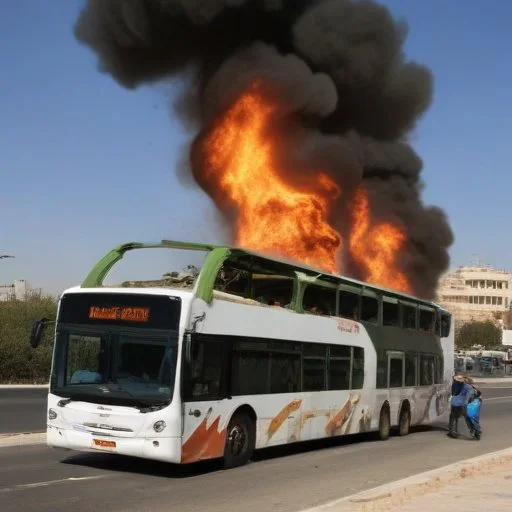
The bombing occurred on a typical day, with the bus rumbling through the city streets, carrying people from all walks of life. The suicide bomber, disguised as a passenger, detonated the deadly payload, unleashing a maelstrom of chaos and destruction. The blast ripped through the crowded vehicle, sending shards of glass and twisted metal flying everywhere, leaving rescue workers to pick up the pieces of a shattered community.
In the aftermath of the bombing, Jerusalem was plunged into mourning, with families and friends of the victims struggling to come to terms with the senseless loss of life. The attack sparked widespread outrage and condemnation, with government officials and leaders from around the world denouncing the heinous act of terrorism.
The Shmuel HaNavi bus bombing was more than just a statistic - it represented the loss of innocent lives, shattered families, and a community left reeling in shock. Among the victims were seven children, whose bright futures were brutally cut short by the senseless act of terrorism.
The Shmuel HaNavi bus bombing served as a stark reminder of the need for vigilance and cooperation in the fight against terrorism. In the years that followed, Israel implemented numerous security measures, including the construction of the Separation Barrier, aimed at preventing future attacks. The international community also rallied behind the Israeli people, condemning Hamas's actions and calling for greater cooperation in the fight against terrorism.
The Shmuel HaNavi bus bombing serves as a poignant reminder of the importance of unity and vigilance in the face of terrorism. It highlights the need for governments, communities, and individuals to come together to prevent such tragedies from occurring in the future. As we remember the victims of this devastating attack, we are reminded of the importance of standing united against terrorism, and working towards a future where such senseless acts of violence are a thing of the past.
The Shmuel HaNavi bus bombing occurred during a tumultuous period in Israeli-Palestinian relations. The early 2000s saw a significant escalation in violence, with the Israeli government responding to Palestinian militant attacks with military operations in the Gaza Strip and West Bank.
In the months leading up to the bombing, tensions had reached a boiling point, with both sides engaged in a cycle of violence and retaliation. The attack was seen by many as a devastating blow to already fragile peace negotiations.

Rantisi, a senior Hamas official, was instrumental in planning and executing the Shmuel HaNavi bus bombing. A hard-line militant, Rantisi was known for his unwavering commitment to the Palestinian cause and his opposition to Israeli occupation.
Rantisi's involvement in the attack is a testament to the complexity of the Israeli-Palestinian conflict, with individuals driven by deeply held beliefs and a desire for self-determination.
The Shmuel HaNavi bus bombing occurred against the backdrop of a broader geopolitical struggle for power and influence in the Middle East. The early 2000s saw a significant shift in the regional balance of power, with the United States and its allies seeking to contain the spread of Islamic extremism.
In this context, the attack was seen as a challenge to Israeli sovereignty and a test of the country's resolve in the face of terrorism.

The Shmuel HaNavi bus bombing had a profound impact on Israeli culture, with the attack serving as a catalyst for a national conversation about security, identity, and the role of the state in protecting its citizens.
In the aftermath of the attack, Israeli artists, writers, and musicians responded with a wave of creative works, grappling with the trauma and sense of vulnerability that permeated the nation.
The Shmuel HaNavi bus bombing had significant economic implications for Israel, with the attack resulting in a decline in tourism and a decrease in consumer spending.
In the years that followed, the Israeli government invested heavily in security infrastructure, including the construction of the Separation Barrier, which had a profound impact on the country's economic development.