


On April 1, 1984, the music world was left reeling when iconic singer Marvin Gaye was shot and killed by his father, Marvin Gaye Sr., in their Arlington Heights home in Los Angeles, California. The senseless tragedy cut short the life of a musical genius, silencing the smooth, velvety voice that had captivated audiences with timeless hits like "What's Going On" and "Sexual Healing."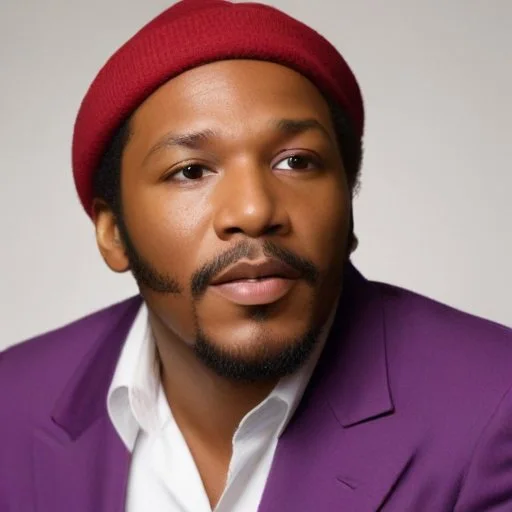
Marvin Gaye's life was a complex tapestry of musical brilliance, personal struggles, and family turmoil. Born on April 1, 1939, in Washington D.C., Gaye grew up in a household where music was an integral part of family life. However, his relationship with his father, a minister, was fraught with tension and physical abuse. This tumultuous upbringing would later influence his music and inform his views on life, love, and social justice.
The events leading up to Marvin Gaye's death are still shrouded in mystery, but it is known that a heated argument erupted between Gaye and his father on that fateful day. The dispute allegedly Stemmed from Gaye's desire to move his parents out of the Arlington Heights home and into a nearby apartment, citing concerns about their safety and well-being. The argument escalated, and in a fit of rage, Marvin Gaye Sr. grabbed a .38 caliber handgun and shot his son twice at close range.
The Los Angeles Police Department launched an investigation into the shooting, and Marvin Gaye Sr. was subsequently arrested and charged with murder. During the trial, it emerged that Gaye Sr. had a history of violence and had previously threatened his son. In September 1984, Gaye Sr. pleaded guilty to voluntary manslaughter and was sentenced to five years' probation, with six years in prison suspended. The light sentence sparked public outrage and left many feeling that justice had not been served.
Marvin Gaye's tragic death sent shockwaves through the music industry, with tributes pouring in from fellow artists, friends, and fans. His music, which often tackled themes of social justice, love, and redemption, continued to inspire generations of musicians and activists. In 1987, Gaye was posthumously inducted into the Rock and Roll Hall of Fame, and his legacy continues to influence contemporary music.
The circumstances surrounding Marvin Gaye's death sparked a national conversation about domestic violence, gun control, and the complexities of family relationships. The tragedy also underscored the struggles faced by African American men in the music industry, where success and fame often came at a high personal cost.
Marvin Gaye's life was a testament to the power of music to transcend tragedy and adversity. Though his voice was silenced far too soon, his legacy continues to inspire, educate, and uplift audiences around the world.
The tragic death of Marvin Gaye sparked a wave of tributes and condolences from across the music industry. Rolling Stone dedicated an entire issue to his life and legacy, while Billy Dee Williams and Jesse Jackson were among the many celebrities who attended his funeral. The outpouring of grief was a testament to Gaye's impact on music and culture, which extended far beyond his own genre.
Marvin Gaye's music also played a significant role in shaping the sound of subsequent generations of artists. Prince, in particular, was heavily influenced by Gaye's smooth, soulful style, and often incorporated elements of it into his own music. Other artists, such as Stevie Wonder and James Brown, also drew inspiration from Gaye's innovative blend of funk, soul, and R&B.
Gaye's cultural impact extended beyond music as well. His commitment to social justice and activism inspired a generation of young people to become involved in the civil rights movement. His music addressed issues such as poverty, inequality, and environmental degradation, and his iconic song "What's Going On" remains an anthem for social change to this day.

Marvin Gaye Sr., the father who would ultimately take his son's life, was a complex and troubled man. A minister and a strict disciplinarian, he was known for his short temper and violent outbursts. Despite his own flaws, however, he instilled in Marvin a strong sense of morality and a passion for music.
As a father, Gaye Sr. was often at odds with his son, who chafed against the strict rules and regulations imposed upon him. The tension between them would eventually boil over into violence, but it also fueled Marvin's creativity and drove him to excel as a musician.
Despite his tragic flaws, Marvin Gaye Sr. remains an enigmatic figure, a man whose own demons ultimately consumed him. His legacy is a complex one, marked by both tragedy and triumph.
The events leading up to Marvin Gaye's death were rooted in a complex web of family dynamics and personal struggles. Gaye's relationship with his father was marked by tension and violence, and the two had been at odds for years.
Gaye's desire to move his parents out of the Arlington Heights home was motivated by a desire to protect them from harm. He had become increasingly concerned about their safety, particularly after a series of burglaries in the area. However, his father saw the move as a threat to his own independence and a challenge to his authority.
The argument that ultimately led to Gaye's death was, in many ways, a culmination of years of simmering tension and unresolved conflict. It was a tragedy that would have far-reaching consequences, both for the Gaye family and for the music world at large.

Marvin Gaye's tragic death was not an isolated incident, but rather part of a larger pattern of violence and tragedy that has plagued the music industry. From Jimi Hendrix to Kurt Cobain, countless musicians have succumbed to the pressures of fame and the excesses of the rock and roll lifestyle.
Gaye's death, in particular, shares striking parallels with that of John Lennon, who was shot and killed outside his New York City apartment building just a few years earlier. Both men were victims of senseless violence, cut down in their prime by the actions of others.
These tragic events serve as a reminder of the fragility of life and the darker side of fame. They also underscore the need for artists and their families to take steps to protect themselves from the threats that lurk in the shadows of the music industry.
Marvin Gaye's music was not just a reflection of his own experiences, but also a manifestation of his deeply held philosophical and ideological beliefs. His commitment to social justice and advocacy for marginalized communities was rooted in a profound sense of empathy and compassion.
Gaye's music addressed fundamental questions about the human condition, exploring themes such as love, redemption, and the search for meaning. His songs were often imbued with a sense of spirituality and a deep connection to the natural world.
In the years following his death, Gaye's music would continue to inspire and educate, serving as a catalyst for social change and a beacon of hope for generations to come.