


The world witnessed a peculiar event in 1977 when South Africa, under the apartheid regime, granted independence to Bophuthatswana, a territory crafted for the ethnic Tswana people. However, this newfound independence was met with widespread skepticism, as not a single country recognized it – a move widely seen as a desperate attempt to consolidate apartheid's grip on power and further fragment the black majority.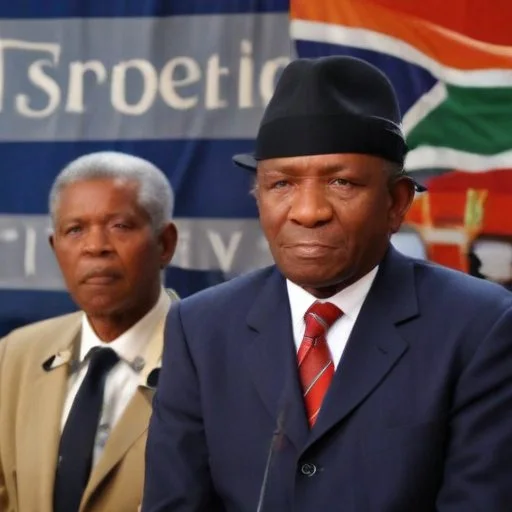
Apartheid South Africa's grand design was to create separate, albeit unequal, homelands for different ethnic groups. Bophuthatswana, along with other territories, was part of this segregationist policy. The regime's intention was to create a false narrative of separate development, where each group would supposedly thrive in their designated territory, free from the perceived "threat" of integration.
At the helm of this new "independent" nation was Lucas Mangope, a figure many believed to be a puppet president, with strings firmly held by the apartheid regime. Mangope's appointment was a calculated move to provide a veneer of legitimacy to Bophuthatswana's independence, while in reality, he was beholden to his South African masters.
Bophuthatswana's independence farce had far-reaching consequences. The territory became a symbol of apartheid's divisiveness, perpetuating the myth that separate development was a viable solution to South Africa's racial problems. The move also served to further entrench the regime's grip on power, as it created a sense of false autonomy among the Tswana people.
The people of Bophuthatswana were caught in a web of manipulation, with many buying into the idea of independence, despite its obvious flaws. This led to a sense of disillusionment and frustration among the population, who felt their autonomy was being exploited for political gain.
The Bophuthatswana debacle stands as a stark reminder of apartheid's ingrained prejudices and manipulative tactics. As South Africa continues to grapple with the legacy of segregation, the story of Bophuthatswana serves as a powerful symbol of resistance against oppressive regimes and a testament to the human spirit's pursuit of freedom and equality.
"The struggle is my life. I will continue fighting for freedom until the end of my days." – Nelson Mandela, in a poignant reflection on the anti-apartheid movement.
As we reflect on the sham independence of Bophuthatswana, we are reminded that true freedom can never be granted – it must be fought for, and won. The story of Bophuthatswana serves as a beacon of hope, urging us to continue striving for a world where equality and justice reign supreme.
One of the most significant implications of Bophuthatswana's sham independence was the further entrenchment of apartheid's grip on power. The South African government used the pseudo-state as a testing ground for its divide-and-conquer strategy, exploiting ethnic divisions to maintain its control over the black majority. This political ploy allowed the apartheid regime to deflect international criticism and maintain its grip on power for several more years.
The recognition of Bophuthatswana's independence by no country, including even its closest allies, exposed the farcical nature of the exercise. This diplomatic isolation only served to further undermine the territory's legitimacy and reinforced the notion that it was a mere puppet state.
The international community's overwhelming rejection of Bophuthatswana's independence sent a strong message to the apartheid regime, signaling that its attempts to mask its oppressive policies under the guise of "separate development" would no longer be tolerated.
Lucas Mangope, the puppet president of Bophuthatswana, was a complex figure, driven by a mix of self-interest and loyalty to his apartheid masters. His appointment as Chief Minister in 1971 was seen as a reward for his willingness to toe the line, and his subsequent elevation to the presidency was a calculated move to legitimize the territory's independence.
Despite his compromised position, Mangope attempted to assert his own authority, often finding himself at odds with his South African handlers. However, his efforts were ultimately doomed, as he remained beholden to the apartheid regime for his power and patronage.
As the years went by, Mangope's presidency became increasingly marked by cronyism and corruption, further eroding the already fragile legitimacy of Bophuthatswana's government.
The sham independence of Bophuthatswana had a profound impact on the cultural identity of the Tswana people. The apartheid regime's manipulation of ethnic divisions created a sense of false autonomy, leading many Tswana people to buy into the idea of independence, despite its obvious flaws.
This cultural manipulation had a lasting impact on the Tswana people's sense of self, creating divisions and tensions that would take years to heal. The experience of Bophuthatswana served as a stark reminder of the dangers of allowing external forces to shape one's identity and destiny.
The cultural legacy of Bophuthatswana's sham independence continues to resonate today, serving as a powerful symbol of resistance against cultural manipulation and oppression.
The creation of Bophuthatswana was part of a broader apartheid strategy to carve up South Africa into separate, unequal territories, each designed to reinforce the regime's grip on power. The territory was born out of the 1969 Bantu Homelands Citizenship Act, which aimed to strip black South Africans of their citizenship and relegate them to second-class status.
The apartheid regime's grand design was to create a labyrinthine network of Bantustans, each with its own puppet government and limited autonomy. Bophuthatswana was just one piece of this puzzle, designed to further fragment the black majority and prevent any unified challenge to apartheid rule.
The apartheid regime's masterplan was to create a series of ethnic fiefdoms, each with its own distinct identity and culture, but all ultimately beholden to the apartheid state.
Bophuthatswana's sham independence was played out against the backdrop of the Cold War, as the apartheid regime attempted to position itself as a bulwark against communism in Southern Africa. The territory's "independence" was seen as a means to counter the influence of neighboring black states, which were increasingly aligned with the Soviet bloc.
The apartheid regime's geopolitically motivated move sparked a flurry of diplomatic activity, as countries like the United States and Britain attempted to navigate the complex web of alliances and rivalries in the region.
The Bophuthatswana debacle exposed the apartheid regime's vulnerability to external pressure, as the international community increasingly isolated South Africa and condemned its racist policies.