


The 1994 South African general election was a watershed moment in the country's history, marking the first time black citizens could exercise their right to vote and participate in the democratic process. This monumental event paved the way for the dismantling of apartheid, the racist system of institutionalized segregation and discrimination that had plagued the country for decades.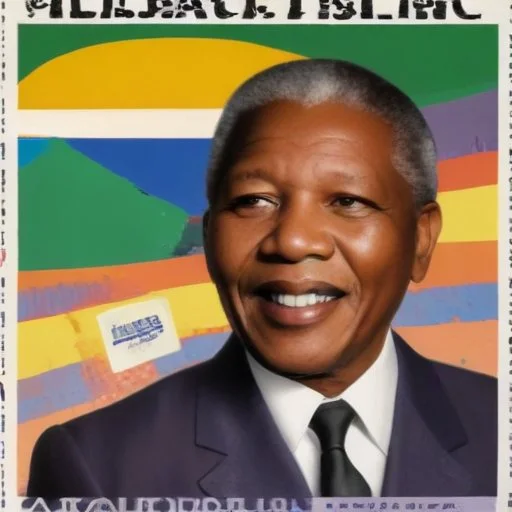
Decades of struggle and resistance had finally reached a boiling point. The African National Congress (ANC), led by Nelson Mandela, had been at the forefront of the anti-apartheid movement. The organization's tireless efforts, coupled with international pressure, had forced the ruling National Party to negotiate an end to apartheid.
In 1993, the Multi-Party Negotiating Forum, comprising various political parties and organizations, drafted the Interim Constitution. This document served as a temporary framework for governance, ensuring a smooth transition to democracy. The Interim Constitution guaranteed equal rights, representation, and protection for all citizens, regardless of race, gender, or creed.
On April 27, 1994, millions of South Africans flocked to polling stations, eager to cast their ballots. The atmosphere was electric, with lines stretching for miles and people of all ages and backgrounds waiting patiently to exercise their newfound right.
The results were decisive: the African National Congress (ANC) secured a landslide victory, winning 252 of the 400 seats in the National Assembly. Nelson Mandela, the iconic leader of the ANC, became the country's first black president, marking the end of white minority rule.
The 1994 election had far-reaching consequences, including:
The 1994 election sparked a cultural renaissance, as South Africans from all walks of life came together to celebrate their newfound freedom. Music, art, and literature flourished, reflecting the country's newfound optimism and sense of possibility.
Quotes and memorable sayings from this period include:
"For to be free is not merely to cast off one's chains, but to live in a way that respects and enhances the freedom of others." - Nelson Mandela
The 1994 election set a powerful precedent, inspiring similar movements for democracy and equality around the world. South Africa's transition to democracy served as a beacon of hope, demonstrating that even the most entrenched systems of oppression could be dismantled through grassroots activism and determination.
In conclusion, the 1994 South African general election was a momentous occasion, marking the beginning of a new era of democracy, equality, and justice for all South Africans. This pivotal event will forever be etched in the annals of history, serving as a testament to the power of human resilience and the unwavering pursuit of freedom and dignity.
Nelson Mandela, the face of the anti-apartheid movement, spent 27 years in prison for fighting against the racist regime. During his imprisonment, he became a symbol of resistance, and his name was synonymous with the struggle for freedom and equality. Despite the harsh conditions, Mandela continued to advocate for peaceful protests and negotiations, earning him international recognition and acclaim.
After his release in 1990, Mandela led the African National Congress (ANC) in negotiations with the government, eventually leading to the country's transition to democracy. His tireless efforts earned him the Nobel Peace Prize in 1993, and he became the first black president of South Africa in 1994, marking a new era of equality and justice for all citizens.
Mandela's unwavering commitment to reconciliation and forgiveness was exemplified in his decision to establish the Truth and Reconciliation Commission (TRC), which aimed to investigate and address the human rights violations committed during the apartheid era. This move helped to heal the wounds of the past and paved the way for national reconciliation.

The 1994 election was not just a triumph for South Africa, but also a victory for international solidarity. The global community played a significant role in pressuring the apartheid regime to reform, with various countries imposing economic sanctions and supporting anti-apartheid movements.
The African National Congress (ANC) received significant support from countries like Cuba, Angola, and Mozambique, which provided military and financial aid to the organization. The Soviet Union and Eastern European countries also provided diplomatic support, recognizing the ANC as the legitimate representative of the South African people.
In addition, international organizations like the United Nations and the Organization of African Unity (OAU) condemned apartheid and imposed economic sanctions on South Africa. The global pressure eventually forced the regime to negotiate with the ANC, leading to the eventual dismantling of apartheid.
The 1994 election marked a cultural renaissance in South Africa, as the country began to shed its apartheid legacy and embrace its diverse cultural heritage. Music, art, and literature flourished, reflecting the newfound sense of freedom and optimism.
African music, once suppressed by the regime, experienced a resurgence in popularity, with genres like jazz, gospel, and Afro-pop gaining international recognition. The country also witnessed a boom in literary production, with writers like Nadine Gordimer, Zakes Mda, and André Brink exploring themes of identity, freedom, and social justice.
The election also sparked a wave of cultural festivals and celebrations, including the iconic Cape Town Jazz Festival and the South African Music Awards, which showcased the country's rich cultural diversity.

The 1994 election was a landmark moment in South African politics, marking the country's transition from a racist regime to a democratic government. The election results marked a significant shift in the balance of power, with the African National Congress (ANC) emerging as the dominant force in South African politics.
The ANC's landslide victory was a testament to the party's grassroots support and its ability to mobilize voters across racial and ethnic lines. The election also marked a significant decline in support for the National Party, which had dominated South African politics since the 1940s.
The post-election period saw significant reforms, including the establishment of a new constitution, the creation of a truth and reconciliation commission, and the implementation of policies aimed at redressing the social and economic imbalances of the apartheid era.
The 1994 election had a profound impact on South Africa's economy, marking a significant shift towards economic liberalization and globalization. The new government inherited an economy plagued by sanctions, boycotts, and disinvestment, but managed to attract significant foreign investment and stimulate economic growth.
The African National Congress (ANC) implemented policies aimed at reducing poverty and inequality, including the Reconstruction and Development Programme (RDP), which focused on investing in social infrastructure, education, and healthcare. The government also established the Truth and Reconciliation Commission (TRC) to address the economic injustices of the apartheid era.
The post-election period saw significant improvements in economic indicators, including a decline in inflation, an increase in GDP, and a rise in foreign investment. The country also began to participate in international trade agreements, including the General Agreement on Tariffs and Trade (GATT) and the World Trade Organization (WTO).