


The Soviet Union's ill-fated invasion of Afghanistan finally came to an end on February 15, 1989, as the last Soviet armoured column rumbled out of Kabul, marking the conclusion of a brutal nine-year occupation. This momentous event brought relief to the war-weary Afghans, who had endured unimaginable suffering and destruction at the hands of the Soviet military.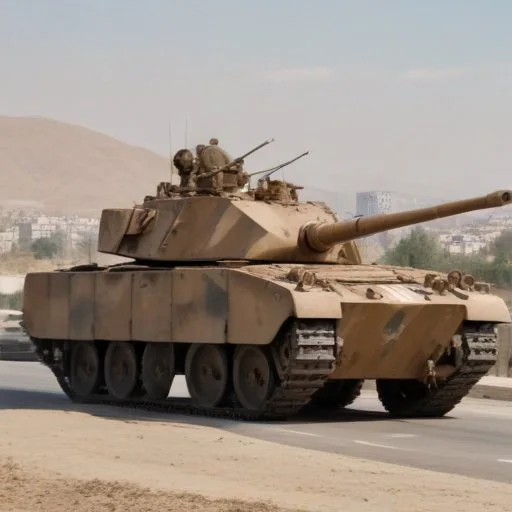
The Soviet-Afghan War, which began on December 24, 1979, was a catastrophic mistake that cost the Soviet Union dearly in terms of lives, resources, and international credibility. The war was sparked by the Soviet Union's desire to prop up the beleaguered communist government in Afghanistan, which was facing internal strife and opposition from Islamist and mujahideen groups.
The war saw the rise and fall of several key figures, including:
The Soviet-Afghan War was marked by several pivotal events, including:
The Soviet-Afghan War had far-reaching consequences, including:
The war had a profound impact on Afghan culture and society, leading to:
The war spawned a generation of Afghan writers, poets, and artists, who chronicled the horrors and hardships of the occupation. One such account is that of Afghanistan's national poet, Ustad Khalilullah Khalili, who wrote:
"In the shadow of the mountains, where the wind whispers secrets to the trees, I saw the faces of the martyrs, etched on the stones, forever."
The Soviet-Afghan War served as a precursor to the modern conflicts in Afghanistan, including the rise of the Taliban and the US-led War on Terror. It also spurred a global debate on the limits of military intervention and the importance of diplomacy in resolving conflicts.
The Soviet withdrawal from Afghanistan marks a turning point in modern history, a poignant reminder of the devastating consequences of military aggression and the resilience of the human spirit. As we reflect on this momentous event, we are reminded of the importance of diplomacy, dialogue, and international cooperation in resolving conflicts and promoting peace.
Babrak Karmal, the Afghan communist leader, played a crucial role in the Soviet-Afghan War. Born in 1929, Karmal rose to prominence in the 1960s as a key figure in the People's Democratic Party of Afghanistan (PDPA). He was installed as President of Afghanistan in 1979, after the Soviet Union invaded the country.
Karmal's presidency was marked by brutality and repression, as he attempted to impose communist ideology on the Afghan people. He was known for his close ties to the Soviet Union and was widely seen as a puppet leader. Despite his efforts, Karmal faced opposition from Islamist and mujahideen groups, who saw him as a traitor to Afghanistan.
Karmal's regime was marked by human rights abuses, including torture, executions, and forced disappearances. He was eventually ousted from power in 1986, and lived in exile in the Soviet Union until his death in 1996.
The Soviet-Afghan War had a profound impact on Afghan culture, leading to the erosion of traditional social structures and the emergence of a new class of warlords and strongmen.
The war also led to a significant shift towards Islamic fundamentalism, which would shape Afghan politics and society for decades to come. The mujahideen, who were backed by the CIA and other foreign powers, were largely Islamist in ideology, and their influence would be felt long after the Soviet withdrawal.
The war also led to the displacement of millions of Afghans, who would go on to form diaspora communities around the world. This diaspora would play a crucial role in shaping Afghan culture and identity in the years to come.
The Soviet Union's decision to invade Afghanistan in 1979 was motivated by a desire to prop up the beleaguered communist government in the country.
The Soviet Union saw Afghanistan as a key strategic location, bordering as it did on the Soviet Union's southern border. The Soviet government was concerned about the spread of Islamist ideology in the region, and saw the communist government in Afghanistan as a bulwark against this trend.
The Soviet Union also sought to expand its influence in the region, and to counter the growing influence of the United States and other Western powers.
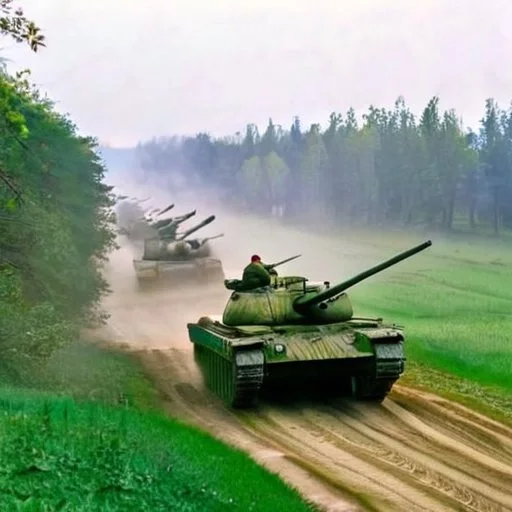
The Soviet-Afghan War was a costly endeavor for the Soviet Union, with estimates suggesting that the war cost the Soviet economy over $20 billion.
The war also had a devastating impact on the Afghan economy, with the country's infrastructure and industry largely destroyed. The war led to a massive refugee crisis, with millions of Afghans displaced and forced to live in poverty.
The war also had a significant impact on the global economy, contributing to a rise in oil prices and a decline in international trade.
The Soviet-Afghan War took place during a time of heightened Cold War tensions between the Soviet Union and the United States.
The war was seen as a key battleground in the struggle between communism and capitalism, with the Soviet Union seeking to expand its influence in the region and the United States seeking to counter this influence.
The war also had implications for regional security, with the Soviet Union's invasion of Afghanistan seen as a threat to the stability of the region.