


In a long-overdue acknowledgment of one of America's darkest episodes, a special commission of the United States Congress formally condemned the forced relocation and internment of over 120,000 Japanese Americans during World War II. This grave injustice, perpetrated against innocent civilians, was a stark violation of their civil liberties and human rights.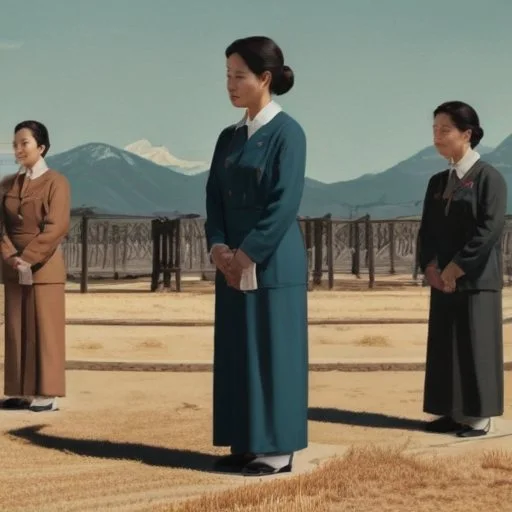
In the aftermath of Japan's surprise attack on Pearl Harbor, a wave of xenophobia and racism swept across the United States, targeting Japanese Americans. The U.S. government, fueled by misinformation and prejudice, responded with Executive Order 9066, authorizing the forced relocation of Japanese Americans from their homes to internment camps.
In 1980, the Commission on Wartime Relocation and Internment of Civilians was established to investigate the internment of Japanese Americans during World War II. The commission's report, "Personal Justice Denied," exposed the grave injustices perpetrated against Japanese Americans, including forced relocation, loss of property, and civil liberties violations.
The internment of Japanese Americans during World War II serves as a powerful reminder of the dangers of xenophobia, racism, and government overreach. The experience has had a lasting impact on the Japanese American community, fostering a deep appreciation for civil liberties and human rights.
"A Jap is a Jap. It makes no difference whether the Jap is a citizen or not."
— General John DeWitt, U.S. Army
The condemnation of Japanese American internment by the U.S. Congress serves as a powerful reminder of the importance of acknowledging past injustices. By confronting the darkest chapters of our history, we can work towards a more just and equitable society for all.
The legacy of Japanese American internment serves as a warning against the dangers of xenophobia and government overreach, inspiring future generations to protect civil liberties and human rights.
In conclusion, the condemnation of Japanese American internment by the U.S. Congress is a crucial step towards acknowledging the grave injustices perpetrated against innocent civilians during World War II. This dark chapter in American history serves as a powerful reminder of the importance of protecting civil liberties and human rights, and inspires us to strive for a more just and equitable society for all.
The forced relocation and internment of Japanese Americans during World War II was not an isolated incident, but rather the culmination of a series of xenophobic events. In the years leading up to the war, anti-Japanese sentiment was on the rise, fueled by inflammatory media coverage and racial stereotypes.
In 1940, the Alien Registration Act required all non-citizen Japanese Americans to register with the government, sparking fears of Fifth Column activity. The FBI, led by J. Edgar Hoover, began monitoring Japanese American communities, further stoking paranoia.
These events created a toxic atmosphere in which Executive Order 9066 could be enacted, leading to one of the darkest chapters in American history.

Dorothy Thomas, a Quaker social worker, played a crucial role in assisting Japanese Americans during their relocation. Born in 1899, Thomas was a dedicated pacifist who had worked with Japanese Americans in California before the war.
As the relocation process began, Thomas helped coordinate relief efforts, providing much-needed aid to families forced from their homes. Her tireless advocacy eventually led to her involvement with the Japanese American Citizens League, where she helped raise awareness about the internment policy.
Thomas's courageous efforts earned her recognition as a hero to the Japanese American community, and her legacy continues to inspire social justice activists today.
The trauma inflicted upon Japanese Americans during World War II had a profound impact on their community, extending far beyond the war years. The experience of internment led to feelings of shame, guilt, and anxiety, which were often passed down to subsequent generations.
This intergenerational trauma manifested in various ways, including higher rates of anxiety and depression among Japanese Americans, as well as a lingering sense of mistrust towards the government. The community's collective memory was forever scarred, serving as a painful reminder of the dangers of xenophobia and racism.
Only through acknowledging and confronting this dark past can we begin to heal the wounds of internment and work towards a more just and equitable society.

The Commission on Wartime Relocation and Internment of Civilians, established in 1980, conducted an exhaustive investigation into the internment of Japanese Americans. Through a series of public hearings, academic research, and archival analysis, the commission uncovered a wealth of evidence revealing the government's wrongdoing.
The commission's report, "Personal Justice Denied," included testimonials from former internees, government officials, and historians, painting a damning picture of the internment policy. By examining previously classified documents and interviewing key figures, the commission shed light on the government's role in perpetuating racial hatred and discrimination.
This rigorous investigative process helped to establish the facts behind the internment, paving the way for redress and reparations.
The internment of Japanese Americans during World War II serves as a powerful teaching tool, offering valuable lessons on the importance of civil liberties, human rights, and social justice. By incorporating this topic into curricula, educators can help students understand the dangers of xenophobia, racism, and government overreach.
Through interactive simulations, primary source analysis, and discussions, students can develop empathy and critical thinking skills, as well as a deeper appreciation for the importance of protecting individual rights. By exploring the internment experience, educators can inspire the next generation of social justice advocates and community leaders.
By integrating this crucial episode into educational frameworks, we can foster a more informed and engaged citizenry, better equipped to address the complex social issues of the 21st century.