Finnish Parliament elects Mannerheim as President
Finnish politics was in turmoil when President Risto Ryti resigned, leaving a power vacuum in the midst of World War II. Enter Marshal Carl Gustaf Emil Mannerheim, a revered military leader and statesman, who was hastily elected as the new President of Finland by the Finnish Parliament under the state of emergency law. This sudden shift in leadership marked a critical moment in Finland's history, as Mannerheim's experience and prestige were deemed essential to navigate the country through the treacherous waters of war.
The Unlikely Hero: Mannerheim's Rise to the Finnish Presidency
A Nation in Crisis, A Leader Emerges
In the midst of World War II, Finland's political landscape was thrown into chaos when President
Risto Ryti resigned, leaving a power vacuum that threatened to destabilize the entire country. It was amidst this uncertainty that Marshal
Carl Gustaf Emil Mannerheim, a revered military leader and statesman, was hastily elected as the new President of Finland by the Finnish Parliament under the state of emergency law.
Historical Background: A Nation on the Brink
Finland, having declared its independence from Russia in 1917, was still reeling from the aftermath of the Winter War against the Soviet Union. The country's resources were depleted, its economy was struggling, and its people were weary from the constant threat of invasion. Amidst this fragile political climate, Ryti's sudden resignation sent shockwaves throughout the nation, leaving many to wonder who could possibly fill the void.
The Man Behind the Myth: Marshal Mannerheim
Carl Gustaf Emil Mannerheim was no stranger to crisis management. A decorated military leader with a storied career spanning over four decades, he had earned the respect and admiration of the Finnish people through his unwavering dedication to their country's defense. His experience in navigating the complex web of international politics, coupled with his unshakeable confidence, made him the ideal candidate to steer Finland through the treacherous waters of World War II.
A Precarious Election: Mannerheim Takes the Helm
On August 4, 1944, the Finnish Parliament convened in an extraordinary session to elect a new President. Under the state of emergency law, the usual procedures were set aside, and Mannerheim was elected President with an overwhelming majority. The speed and decisiveness of this election were a testament to the gravity of the situation, and Mannerheim's reputation as a seasoned leader.
Major Outcomes and Impacts: Steadying the Ship
Mannerheim's presidency was marked by a series of crucial decisions that helped stabilize Finland's war-torn economy and society. He successfully navigated the country through the Moscow Armistice, securing a fragile peace with the Soviet Union. His leadership also paved the way for Finland's post-war reconstruction, laying the groundwork for the country's rapid industrialization and growth in the decades that followed.
Cultural and Social Influences: A Symbol of National Pride
Mannerheim's presidency was not only a testament to his leadership skills but also a powerful symbol of Finnish national pride. His election and subsequent presidency served as a beacon of hope for the Finnish people, offering a sense of stability and continuity in a time of great upheaval. His legacy continues to inspire Finns to this day, with his image appearing on everything from coins to postage stamps.
Quotes and Memorable Sayings: A Leader's Wisdom
- "In these difficult times, Finland needs a strong and experienced leader, and I am honored to take on this responsibility."
- "The welfare of our people, the security of our country, and the maintenance of our independence are the guiding principles of my presidency."
Inspirational Stories and Motivations: A Legacy of Leadership
Mannerheim's rise to the presidency serves as a powerful reminder of the importance of leadership, experience, and resilience in times of crisis. His story is a testament to the human spirit's ability to adapt, overcome, and thrive in the face of adversity. As Finland looks to the future, Mannerheim's legacy continues to inspire generations of leaders, reminding them that even in the darkest of times, there is always hope for a better tomorrow.
Character Examination
Early Life and Military Career
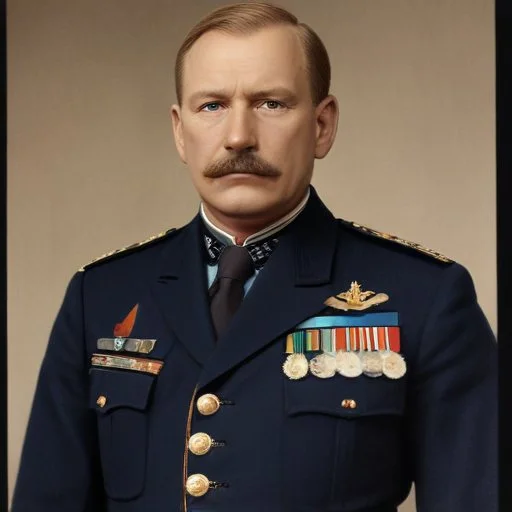
Marshal Mannerheim's early life and military career played a significant role in shaping his leadership skills and political ideologies. Born in 1867, Mannerheim was raised in a noble family and was educated in Finland and Russia. He began his military career in the Russian Imperial Army, where he rose through the ranks and fought in the Russo-Japanese War.
After Finland declared its independence from Russia in 1917, Mannerheim became a key figure in the country's defense forces. He led the Finnish Civil War and later became the Commander-in-Chief of the Finnish Army during the Winter War against the Soviet Union.
Mannerheim's military background and experience in navigating complex political situations made him an ideal candidate to lead Finland during World War II.
Cultural Influence Analysis
Finnish National Identity and Mannerheim's Presidency
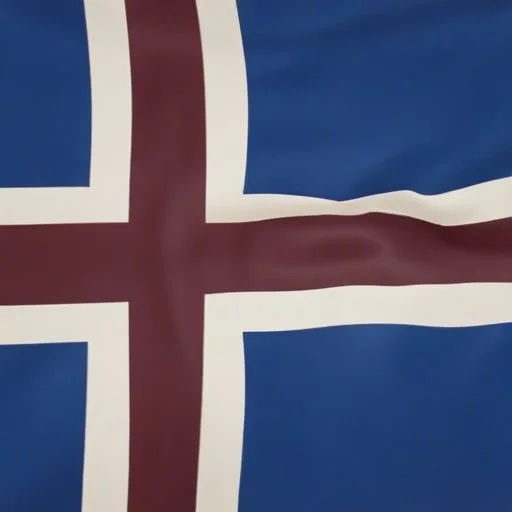
Mannerheim's presidency had a profound impact on Finnish national identity. As a symbol of national pride, he embodied the values of resilience, determination, and independence that defined the Finnish people during World War II.
Under Mannerheim's leadership, Finland was able to maintain its sovereignty and independence, despite being surrounded by powerful nations. This reinforced the Finnish people's sense of national identity and pride in their country's history and culture.
Mannerheim's image and legacy continue to be celebrated in Finland today, with his face appearing on coins, stamps, and other national symbols.
Full Political Examination
Political Rivalries and Alliances
Mannerheim's presidency was marked by complex political rivalries and alliances. As a military leader, he had to navigate the delicate balance of power between Finland's political parties and negotiate with foreign leaders to secure the country's interests.
One of his most significant political rivalries was with President Risto Ryti, who resigned in 1944. Mannerheim's election as president was seen as a nod to his military credentials and a rejection of Ryti's perceived weakness in the face of Soviet aggression.
Despite these rivalries, Mannerheim was able to form key alliances with other European leaders, including Sweden and Germany, to secure Finland's borders and economic interests.
Geopolitical Overview
Finland's Geopolitical Context during World War II
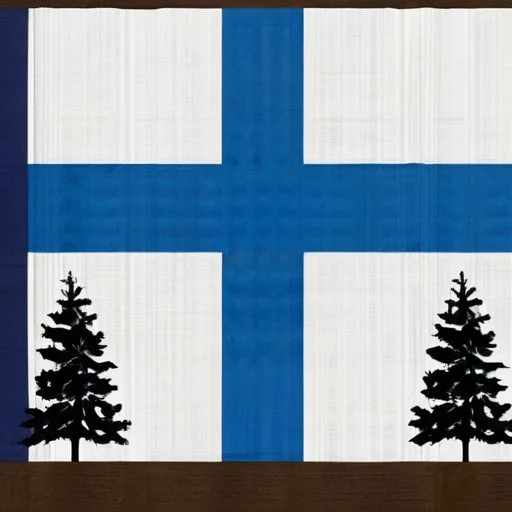
Finland's geopolitical context during World War II was precarious. Located between the Soviet Union and Sweden, Finland was caught in the midst of a global conflict that threatened its very existence.
The country's proximity to the Soviet Union meant that it was constantly under threat of invasion, and its relationship with Nazi Germany was complex and often strained.
Mannerheim's presidency was marked by his ability to navigate these treacherous waters and secure Finland's independence, despite the country's vulnerable position.
Detailed Economic Report
Economic Recovery and Reconstruction
Mannerheim's presidency was marked by a series of economic reforms aimed at rebuilding Finland's war-torn economy. He implemented policies to stimulate industrial growth, increase agricultural production, and rebuild infrastructure damaged during the war.
Under Mannerheim's leadership, Finland was able to make rapid economic progress, becoming one of the fastest-growing economies in Europe in the post-war period.
His economic reforms also helped to reduce Finland's dependence on foreign aid and laid the groundwork for the country's future economic prosperity.


