


The State of Minnesota v. Derek Michael Chauvin, a landmark trial that pierced the heart of America, is forever etched in history as the case that brought former police officer Derek Chauvin to justice for the heinous murder of George Floyd. This watershed moment marked a rare instance of accountability for police brutality, sparking hope for systemic change and justice for the countless lives lost to racial violence.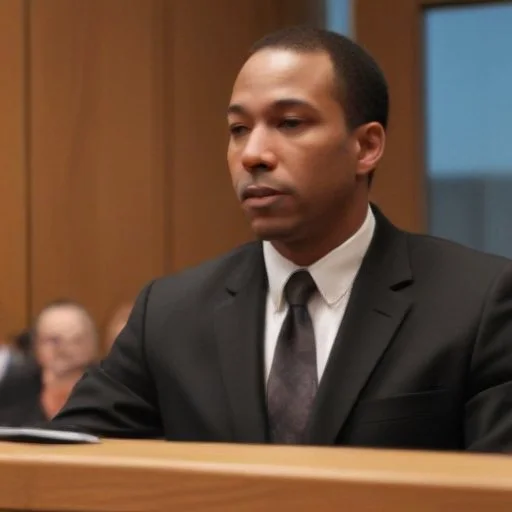
The fateful evening of May 25, 2020, altered the course of history when Chauvin, then a Minneapolis police officer, arrested George Floyd, a 46-year-old African American man, outside a convenience store. The graphic footage of Chauvin kneeling on Floyd's neck for nine minutes and twenty-nine seconds, captured by bystanders, sent shockwaves across the globe, galvanizing the Black Lives Matter movement.
In March 2021, the Fourth Judicial District Court of Minnesota commenced the trial of Derek Chauvin, with prosecutors presenting evidence that Chauvin's actions led to Floyd's tragic death. The trial was a grueling, emotional, and intense three-week ordeal, with eyewitnesses, experts, and footage painting a damning picture of Chauvin's reckless disregard for human life.
On April 20, 2021, the jury delivered a verdict that would shake the foundations of the nation: Derek Chauvin was found guilty of second-degree murder, third-degree murder, and manslaughter in the killing of George Floyd. Tears of relief, joy, and vindication streamed down the faces of Floyd's family and supporters as the guilty verdict brought hope for a brighter future, free from systemic racism and police brutality.
The guilty verdict in State of Minnesota v. Derek Michael Chauvin sent a powerful message to law enforcement agencies across the country: that no one is above the law, and that police brutality will no longer be tolerated. As the first white police officer to be convicted of murdering a Black person in Minnesota, Chauvin's conviction serves as a beacon of hope for a more just and equitable society.
The guilty verdict in State of Minnesota v. Derek Michael Chauvin will reverberate throughout history, inspiring a new wave of activists, sparking reforms in law enforcement, and igniting a national conversation on racial justice. As the world continues to grapple with the systemic injustices that led to George Floyd's tragic death, this trial serves as a poignant reminder that, in the words of Martin Luther King Jr., "justice delayed is justice denied, but justice eventually prevails."
Derek Chauvin: A Profile of the Convicted Officer
Derek Michael Chauvin, born in 1976, was a 19-year veteran of the Minneapolis Police Department before his involvement in the fatal arrest of George Floyd. A native of Minnesota, Chauvin earned an associate's degree in law enforcement from Metropolitan State University and began his career as a police officer in 2001.
Chauvin's tenure was marked by 18 civilian complaints, with only two resulting in disciplinary action. Despite these red flags, Chauvin remained on the force, earning a reputation as an aggressive officer prone to using excessive force.
Chauvin's personal life, including a second-degree misdemeanor conviction for aiding an assault, raised further questions about his fitness for duty.

The Cultural Impact of the Guilty Verdict
The guilty verdict in State of Minnesota v. Derek Michael Chauvin sent shockwaves through the cultural landscape, sparking a renewed national conversation on racial justice and police accountability.
In the aftermath of the verdict, social media platforms were flooded with messages of solidarity and celebration, as well as concerns about the long road to systemic change. The hashtag #JusticeForGeorgeFloyd trended globally, with many celebrities and public figures weighing in on the verdict.
The verdict also inspired a new wave of artistic expressions, from murals and street art to music and literature, all reflecting on the Black Lives Matter movement.
The Economic Cost of Police Brutality
The killing of George Floyd and the subsequent trial of Derek Chauvin had significant economic implications for the city of Minneapolis and the state of Minnesota.
The civil unrest and protests following Floyd's death resulted in an estimated $500 million in damages and lost revenue, with many local businesses forced to close or relocate.
The guilty verdict also prompted calls for reform and increased funding for community-based initiatives, aimed at addressing the root causes of systemic racism.

The Historiography of Police Violence
The trial of Derek Chauvin and the killing of George Floyd must be viewed within the broader historical context of police violence and systemic racism in the United States.
Historians have long noted the parallels between modern-day police brutality and the violent suppression of African Americans during the Reconstruction Era.
The guilty verdict serves as a stark reminder of the need for continued historical analysis and contextualization of contemporary social issues.
The Social Change Dynamics of the Chauvin Trial
The guilty verdict in State of Minnesota v. Derek Michael Chauvin marked a significant milestone in the modern civil rights movement, sparking renewed calls for systemic change and police reform.
The trial itself served as a catalyst for social change, with many activists and organizers using the verdict as a rallying cry for further action.
The verdict also highlighted the importance of community-based activism and grassroots mobilization in driving social change.