


In the heart of California's Silicon Valley, on a fateful day in April 1976, two innovators joined forces to revolutionize the world of personal computing. Steve Jobs and Steve Wozniak, two visionaries with complementary skills, founded Apple Computer, Inc., marking the beginning of a tech empire that would change the face of humanity.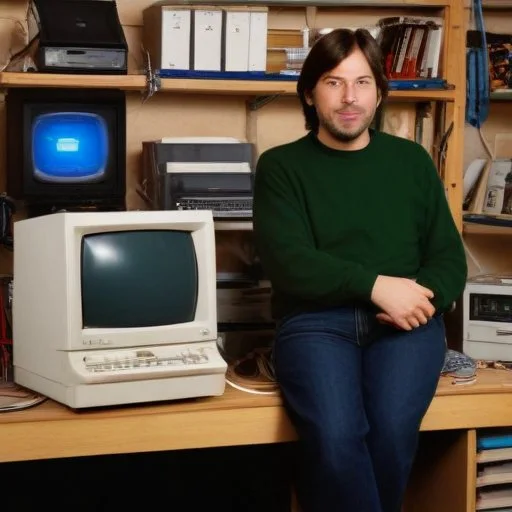
The partnership between Jobs and Wozniak was forged in a cluttered California garage, where Wozniak's genius design of the Apple I computer sparked the entrepreneurial spirit of Jobs. The Apple I, a hand-built computer that was initially priced at $666.66, was the brainchild of Wozniak, who spent countless hours perfecting the design. Jobs, with his charismatic charm, convinced Wozniak to start selling the innovative computer, and the rest, as they say, is history.
The synergy between Jobs and Wozniak was the key to Apple's success. Wozniak's technical expertise and Jobs' marketing prowess created a formidable team that would go on to shape the future of personal computing. While Wozniak focused on perfecting the Apple I, Jobs worked tirelessly to promote the product, leveraging his connections to secure orders and create a buzz around the revolutionary computer.
In July 1976, Wozniak and Jobs produced the first batch of Apple I computers, selling them to electronics enthusiast and hobbyists. The initial run of 200 units was quickly sold out, paving the way for the development of the Apple II, which would go on to become one of the most popular personal computers of the 1970s and 1980s.
The Apple I was recognized as one of the pioneering achievements in the development of personal computers, earning Wozniak and Jobs a place in the National Inventors Hall of Fame. The Apple I is now on display at the Smithsonian National Museum of American History, a testament to the innovative spirit of its creators.
The founding of Apple Computer, Inc. and the development of the Apple I marked the beginning of a new era in personal computing. The Apple II, introduced in 1977, became one of the most popular personal computers of its time, democratizing access to technology and paving the way for the development of the Macintosh computer, the iPod, the iPhone, and the iPad.
The founding of Apple Computer, Inc. and the development of the Apple I had a profound impact on popular culture, inspiring a generation of innovators and entrepreneurs. The Apple brand went on to become synonymous with innovation, creativity, and design, shaping the way people interact with technology and each other.
The founding of Apple Computer, Inc. in 1976 marked a significant cultural shift in the way people interacted with technology. The Apple I, with its sleek design and user-friendly interface, democratized access to computing and paved the way for the development of personal computers as we know them today.
The Apple brand went on to become synonymous with innovation, creativity, and design, shaping the way people lived, worked, and communicated. The company's emphasis on aesthetics and user experience raised the bar for the tech industry as a whole, influencing the development of future technologies.
The cultural impact of Apple's founding can be seen in the countless entrepreneurs, inventors, and innovators who were inspired by Jobs and Wozniak's vision. The company's commitment to pushing the boundaries of what is possible has made it a household name, with a loyal following of fans and devotees.

Steve Wozniak, also known as "Woz," is the genius behind the Apple I computer. Born in 1950, Wozniak grew up with a passion for electronics and design, teaching himself computer programming and electrical engineering.
Wozniak's technical expertise and creative problem-solving skills made him the perfect complement to Steve Jobs' charismatic marketing prowess. Together, they formed a partnership that would change the face of personal computing.
Wozniak's humble personality and dedication to his craft have made him a beloved figure in the tech industry. He remains an influential voice in the world of technology, continuing to inspire and innovate to this day.
The Apple I computer, introduced in 1976, was a technological marvel in its time. With its sleek design and user-friendly interface, it revolutionized the way people interacted with computers.
The Apple I's innovative design and architecture paved the way for the development of future computers, including the Apple II, which would go on to become one of the most popular personal computers of the 1970s and 1980s.
The Apple I's impact on the development of personal computers cannot be overstated. It sparked a technological revolution that would change the face of humanity, enabling people to access information, connect with others, and express themselves in ways previously unimaginable.
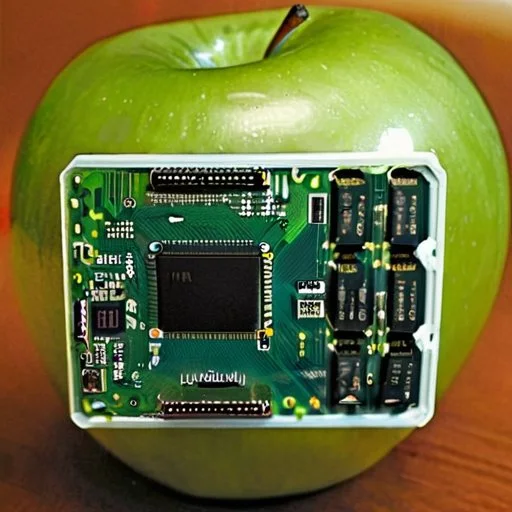
The Apple I manual, hand-written by Steve Wozniak, is a testament to the ingenuity and creativity of the Apple co-founder. The manual, which included detailed diagrams and instructions, was a crucial component of the Apple I computer kit.
The Apple I computer itself is now on display at the Smithsonian National Museum of American History, a testament to its significance as a pioneering achievement in the development of personal computers.
The original Apple I prototype, built by Wozniak in 1976, is also preserved at the Computer History Museum in Mountain View, California, serving as a reminder of the humble beginnings of a tech giant.
The founding of Apple Computer, Inc. in 1976 marked a significant turning point in the history of personal computing. Historians and scholars have interpreted the event as a pivotal moment in the development of modern technology.
Some historians have argued that the partnership between Jobs and Wozniak represented a new era in innovation, one in which charismatic entrepreneurs and brilliant engineers came together to shape the future of technology.
Others have seen the founding of Apple as a symbol of the democratization of technology, marking a shift away from the dominance of large corporations and towards a more decentralized, grassroots approach to innovation.