Sukarno and Hatta proclaim Indonesian independence
Sukarno and Mohammad Hatta stood tall, defying the Dutch Empire's grasp, as they boldly declared Indonesia's independence on a sweltering August morning. With Japan's surrender in World War II, the power vacuum ignited a spark in the hearts of these two nationalists. They seized the moment, proclaiming freedom for their beloved nation, which had endured centuries of colonial rule. The Indonesian National Revolution had begun, with Sukarno and Hatta at its forefront, ready to face the challenges that lay ahead.
Sukarno and Mohammad Hatta: The Pioneers of Indonesian Independence
A Bold Declaration Amidst Turmoil
On a sweltering August morning in 1945, Sukarno and
Mohammad Hatta, two visionary nationalists, proclaimed Indonesia's independence, shattering the shackles of centuries-long Dutch colonial rule. This monumental declaration marked the beginning of the Indonesian National Revolution, a four-year struggle for sovereignty against the Dutch Empire.
Historical Background: A Century of Subjugation
Indonesia's journey to independence was long and arduous. The Dutch East India Company, a powerful mercantile empire, had colonized the Indonesian archipelago since the 17th century. The country was exploited for its natural resources, and its people were subjected to forced labor, poverty, and cultural suppression. By the early 20th century, a growing nationalist movement emerged, seeking to overthrow the Dutch yoke and establish a sovereign Indonesian state.
The Spark of Liberation
Japan's occupation of Indonesia during World War II created a power vacuum that Sukarno and Hatta were quick to exploit. The Japanese, seeking to curry favor with the Indonesian people, allowed Sukarno to establish the Putera, a nationalist organization that promoted Indonesian independence. As Japan's defeat became imminent, Sukarno and Hatta saw an opportunity to declare independence and establish a provisional government.
Key Figures Involved
- Sukarno: A charismatic leader and founder of the Indonesian nationalist movement. He played a crucial role in shaping the country's struggle for independence.
- Mohammad Hatta: A respected economist and statesman, Hatta was Sukarno's closest ally and later became the country's first vice president.
Timeline of Events
- August 15, 1945: Japan surrenders to the Allied forces.
- August 17, 1945: Sukarno and Hatta declare Indonesia's independence.
- 1945-1949: The Indonesian National Revolution rages against the Dutch Empire.
- December 27, 1949: The Dutch recognize Indonesia's sovereignty, marking the end of colonial rule.
Major Outcomes and Impacts
The Indonesian National Revolution had far-reaching consequences:
- The establishment of the Republic of Indonesia as a sovereign state.
- The emergence of Indonesia as a key player in Southeast Asian politics.
- The inspiration of nationalist movements across the Asia-Pacific region.
Cultural and Social Influences
The Indonesian National Revolution had a profound impact on the country's cultural and social landscape:
- The promotion of Indonesian language and culture.
- The rise of nationalist sentiment and pride.
- The empowerment of women and marginalized groups.
Controversies and Public Perception
The revolution was not without its controversies:
- The use of violence and guerrilla warfare by both sides.
- The role of the Japanese occupation in facilitating the declaration of independence.
- The subsequent Cold War-era tensions between Indonesia and the Western powers.
Quotes and Memorable Sayings
- "One soul, one nation, one language, and one homeland!" – Sukarno
- "We, the Indonesian people, hereby declare our independence!" – Sukarno and Hatta's joint declaration
The bravery and vision of Sukarno and Hatta continue to inspire generations of Indonesians, their legacy a testament to the power of nationalism and the human spirit.
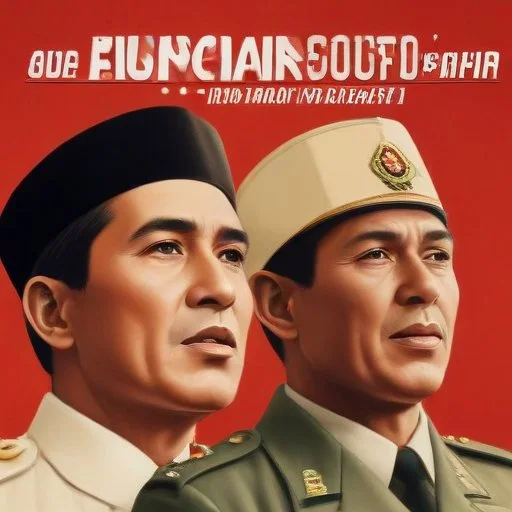
Character Examination
Mohammad Hatta: The Visionary Economist
Mohammad Hatta, often overshadowed by Sukarno's charisma, was a crucial partner in the fight for Indonesian independence. Born in 1902, Hatta was a brilliant economist who earned a degree from the University of Rotterdam. He was instrumental in shaping Indonesia's economic policies, advocating for a mixed economy that balanced state control with private enterprise.
Hatta's economic vision was influenced by his experiences as a young man, witnessing firsthand the exploitation of Indonesia's natural resources by the Dutch. He believed that a sovereign Indonesia needed to break free from colonial shackles and establish its own economic system.
Hatta's contributions to Indonesia's economic development cannot be overstated. He played a key role in establishing the country's central bank, the Bank of Indonesia, and introduced policies aimed at promoting industrialization and self-sufficiency.>,{CIS