


On November 8, 1983, a devastating aviation disaster shook the world as TAAG Angola Airlines Flight 462 crashed mere minutes after taking off from Lubango Airport, claiming the lives of all 130 people on board. This tragic event would go on to spark controversy and debate, as the rebel group UNITA claimed responsibility for the downing of the aircraft, a claim that remains disputed to this day.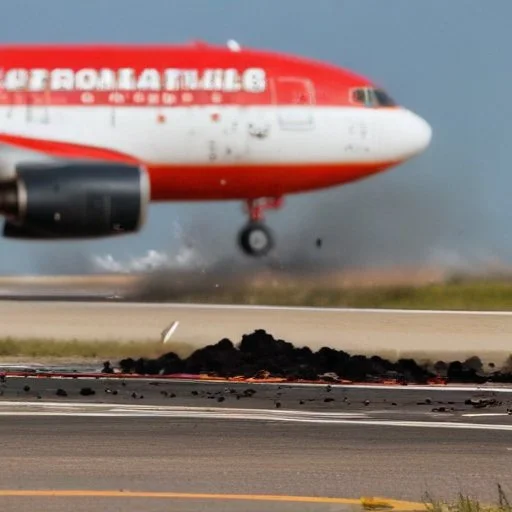
Angola was in the midst of a brutal civil war, with the government fighting against various rebel groups, including UNITA. The country was still reeling from the effects of colonialism and the struggle for independence, leaving a power vacuum that was exploited by rival factions. It was in this volatile environment that Flight 462 took off, unaware of the fate that awaited it.
Flight 462 was a routine domestic flight, operated by TAAG Angola Airlines, the national carrier of Angola. The Boeing 737-200 aircraft, registration D2-TBN, was scheduled to fly from Lubango to Luanda, the capital city of Angola. On board were 126 passengers, including women and children, and four crew members.
At 10:05 AM local time, Flight 462 took off from Lubango Airport's runway 29. Just two minutes into the flight, the aircraft plummeted to the ground, killing everyone on board instantly. The wreckage was scattered over a wide area, with debris found up to 1.5 kilometers from the crash site. The cause of the crash was immediately disputed, with UNITA claiming responsibility, while others pointed to technical failure or human error.
The investigation into the crash was marred by controversy and conflicting reports. The Angolan government, backed by the Soviet Union, claimed that the aircraft was shot down by a surface-to-air missile fired by UNITA rebels. However, independent investigators and the airline's insurers disputed this claim, suggesting that the crash was more likely caused by a mechanical failure or pilot error. The lack of concrete evidence and the tumultuous political climate at the time only added to the uncertainty.
The crash of Flight 462 remains one of the deadliest aviation disasters in African history, and its impact was felt far beyond Angola's borders. The incident highlighted the vulnerability of civilian aircraft to military conflict and the need for stricter safety protocols. It also sparked a renewed call for peace and reconciliation in Angola, which would eventually lead to the signing of the Lusaka Protocol in 1994.
The victims of Flight 462 may be gone, but they will never be forgotten. Their lives were cut short in a tragic and senseless act of violence, leaving behind families and friends who will always remember them. As we reflect on this dark chapter in history, we must also honor the memory of those who perished and strive to create a world where such tragedies are never repeated.
The roots of the Angolan Civil War can be traced back to the country's struggle for independence from Portugal. The war lasted from 1975 to 2002, making it one of the longest and most devastating conflicts in African history. The conflict involved multiple factions, including the MPLA, FNLA, and UNITA, each with their own ideologies and international backers.
The war was marked by brutal fighting, human rights abuses, and widespread displacement. The country's infrastructure, economy, and social fabric were severely damaged, leaving Angola one of the poorest countries in the world.
Despite the devastation, the war also led to the emergence of strong nationalist sentiments and a desire for self-determination. The conflict ultimately ended with the death of UNITA leader Jonas Savimbi in 2002, paving the way for a fragile peace and a new era of reconstruction.
Jonas Savimbi, the leader of UNITA, was a complex figure with a controversial legacy. Born in 1934, Savimbi was a charismatic leader who rose to prominence during the Angolan independence struggle.
He was known for his military prowess, strategic thinking, and ability to unite disparate groups under his leadership. However, he was also accused of human rights abuses, corruption, and authoritarianism.
Savimbi's death in 2002 marked the end of an era in Angola's history. His legacy remains contested, with some viewing him as a national hero and others as a brutal dictator.
The Angolan Civil War was a Cold War proxy conflict, with the Soviet Union backing the MPLA government and the United States supporting UNITA. The conflict was fueled by a complex web of international alliances, ideological rivalries, and economic interests.
The war also had significant regional implications, drawing in neighboring countries such as South Africa, Namibia, and Zambia. The conflict ultimately became a symbol of the global ideological struggle between communism and capitalism.
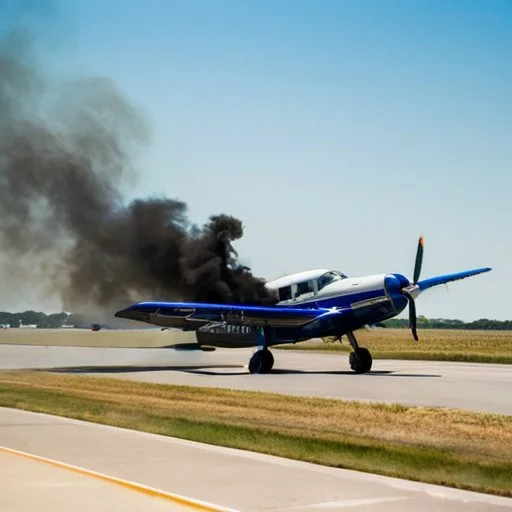
The crash of TAAG Angola Airlines Flight 462 had a profound impact on Angolan culture, highlighting the vulnerability of civilians to the ravages of war. The tragedy sparked widespread outrage, grief, and calls for peace.
The incident also had a significant impact on the country's music, art, and literature, with many creative works referencing the tragedy or inspired by it.
Today, the memory of Flight 462 serves as a powerful symbol of the human cost of war and the importance of reconciliation and peace.
The crash of Flight 462 led to a period of intense political maneuvering, with the Angolan government and UNITA engaging in a blame game over the cause of the crash.
The incident was seized upon by the government as evidence of UNITA's brutality and disregard for human life, while UNITA countered by accusing the government of incompetence and cover-ups.
The controversy surrounding the crash ultimately contributed to a deterioration in relations between the Angolan government and the international community, further isolating the country.