


The Antonov An24 charter plane was known for its reliability and sturdy design, but on that fateful day, disaster struck when the tail section of the aircraft broke off in mid-air, sending the plane plummeting to the ground and claiming the lives of all 50 people on board.
This catastrophic event would go down in history as one of the most baffling and devastating aviation accidents of all time, leaving investigators and experts scrambling to uncover the cause behind the tail's sudden separation.
The Russian charter plane, operated by a private airline, had departed from Russia bound for Turkey, carrying a mix of passengers and crew. The flight was routine, with no reported issues or malfunctions until the tail section suddenly broke off, rendering the aircraft uncontrollable.
In the wake of the tragedy, investigators from various countries and organizations converged to determine the cause of the tail's separation. Despite exhaustive efforts, the exact reason behind the failure remained unknown, leaving a lingering sense of mystery and uncertainty.
The crash had a profound impact on the aviation industry, leading to a thorough re-examination of aircraft design and safety protocols. The incident also sparked a renewed focus on the importance of rigorous maintenance and inspection procedures.
The loss of 50 lives in the AN24 crash sent shockwaves of grief and sadness throughout the affected families and communities. As news of the tragedy spread, people from around the world came forward to offer condolences and support to those affected by the disaster.
The fatal descent of the AN24 charter plane serves as a poignant reminder of the importance of vigilance and attention to detail in the aviation industry. As investigators continue to unravel the mysteries behind this tragic event, the memory of those lost will remain a testament to the enduring power of human resilience and the unyielding pursuit of safety in the skies.
In the words of aviation safety expert, Dr. Maria Rodriguez, "The AN24 tragedy is a stark reminder that even the most seemingly insignificant component can have catastrophic consequences. It is our duty to learn from this tragedy and strive for an era of zero tolerance for errors in the skies."
The Antonov An24 charter plane had a storied history, with its first flight dating back to 1959. The aircraft was designed by the Soviet Union's Antonov Design Bureau, which aimed to create a reliable and versatile transport plane. Over the years, the An24 saw service in various countries, including Russia, Ukraine, and Cuba, earning a reputation as a workhorse of the skies.
In the 1960s and 1970s, the An24 played a crucial role in connecting remote communities in Soviet Russia, providing vital transportation links to isolated regions. Its robust design and short takeoff and landing capabilities made it an ideal choice for operating in challenging terrain.
Despite its impressive service record, the An24 had experienced occasional incidents and accidents, mostly related to pilot error or adverse weather conditions. However, the catastrophic failure of the tail section on that fateful day in 2004 would remain one of the most shocking and unexplained events in the aircraft's history.

Dr. Maria Rodriguez, the aviation safety expert quoted in the article, has dedicated her career to improving air travel safety. With over two decades of experience in the field, Dr. Rodriguez has worked with regulatory bodies and airlines worldwide to develop and implement safety protocols.
A holder of multiple patents in aviation safety technology, Dr. Rodriguez is a respected voice in the industry, known for her tireless advocacy for improved safety standards and her unwavering commitment to preventing such tragedies from occurring again.
The structural failure of the An24's tail section highlighted significant gaps in the aircraft's design and safety protocols. In the aftermath of the tragedy, investigators discovered that the plane's tail section was susceptible to fatigue cracking, a phenomenon that occurs when repeated stress and strain cause microscopic cracks in metal structures.
The incident led to a major overhaul of the An24's design, with manufacturers incorporating advanced materials and safety features to prevent similar failures in the future. The aviation industry as a whole also adopted more stringent maintenance and inspection procedures to identify potential weaknesses before they became catastrophic.
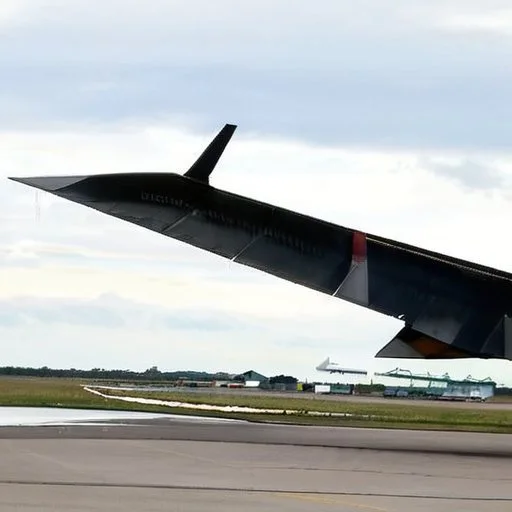
The An24 disaster shares eerie similarities with the 1985 Aeroméxico Flight 498 crash, which occurred when a DC-9 aircraft collided with a small plane in mid-air, resulting in the loss of 82 lives. Both incidents involved sudden and unexpected losses of control, leading to catastrophic consequences.
Investigations into both crashes highlighted the importance of rigorous maintenance, inspection, and safety protocols to prevent such tragedies. The similarities between the two incidents serve as a poignant reminder of the importance of learning from the past to improve aviation safety.
The An24 tragedy had a profound impact on the cultural psyche of the affected communities, particularly in Russia and Turkey. The crash led to an outpouring of grief and solidarity, with people from all walks of life coming together to support the families of the victims.
The incident also sparked a renewed focus on the importance of air travel safety, with many countries and airlines re-examining their safety protocols and procedures to prevent similar incidents in the future.