


The Tenerife airport disaster, which occurred on March 27, 1977, holds the grim distinction of being the deadliest aviation accident in history, claiming 583 lives and leaving only 61 survivors. This catastrophic event took place on a foggy runway at Tenerife's Los Rodeos Airport in the Canary Islands, where two Boeing 747 jumbo jets, KLM Flight 4805 and Pan Am Flight 1736, collided in a devastating crash.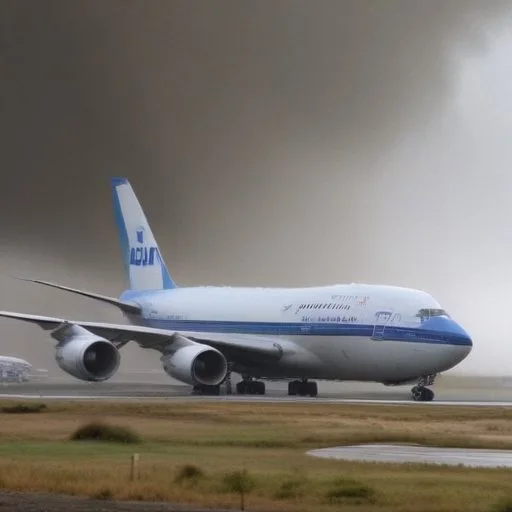
On that fateful day, a series of unfortunate events unfolded, leading to the tragedy. Here's a brief timeline of what transpired:
The investigation into the disaster revealed a combination of factors that contributed to the tragedy, including:
The crash led to significant changes in aviation safety procedures, including the implementation of standardized phraseology for clearances and the use of radar to track aircraft movements.
One of the 61 survivors, Paul Heck, recalled the harrowing experience: "I remember feeling like I was in a washing machine, with everything spinning around me. The next thing I knew, I was outside the plane, on the runway, and it was quiet."
The Tenerife airport disaster led to a major overhaul of aviation safety regulations, resulting in significant improvements in safety standards. It also spurred the development of advanced safety technologies, including collision avoidance systems and improved air traffic control procedures.
Today, the Tenerife airport disaster serves as a poignant reminder of the importance of safety in aviation, and its legacy continues to shape the industry's approach to risk management and accident prevention.
The Tenerife airport disaster claimed the lives of 583 people, leaving behind families and loved ones who continue to mourn their loss. As we reflect on this tragic event, we honor the memories of those who perished and reiterate our commitment to ensuring that such a disaster never happens again.
In the words of Captain Victor Grubbs, a Pan Am pilot who survived the crash: "It's a tragic reminder that, in aviation, safety is not just a priority – it's a necessity."
The Tenerife Airport Disaster was not an isolated incident, but rather part of a larger trend of aviation accidents in the 1970s. In the years leading up to the disaster, there were several major airline accidents, including the 1972 crashes of Eastern Airlines Flight 401 and United Airlines Flight 553. These incidents, along with the Tenerife disaster, highlighted the need for improved safety measures in the aviation industry.
In the aftermath of the disaster, the International Civil Aviation Organization (ICAO) launched a comprehensive review of air traffic control procedures and communication protocols. This review led to the development of standardized phraseology for clearances and the implementation of collision avoidance systems, which have since become essential components of aviation safety.

Captain Jacob Van Zanten, the pilot of KLM Flight 4805, was an experienced aviator with over 11,000 hours of flying time. However, on the day of the disaster, he was under intense pressure to depart Tenerife as quickly as possible due to a combination of factors, including a delayed departure from Amsterdam and a fuel stop in Tenerife.
Van Zanten's decision to begin takeoff without clearance has been widely criticized, and it is believed that his mistake was a critical factor in the accident. Despite his experience, Van Zanten's error serves as a stark reminder of the importance of following established procedures in high-pressure situations.
The Tenerife Airport Disaster led to a major overhaul of air traffic control systems, with a focus on reducing the risk of human error. One of the key technological innovations to emerge from the disaster was the development of Automatic Dependent Surveillance-Broadcast (ADS-B) systems.
ADS-B systems use GPS technology to provide air traffic controllers with real-time information on aircraft location and altitude, allowing for more accurate tracking and separation of aircraft. This technology has significantly improved air traffic control efficiency and safety, and has become a standard component of modern air traffic control systems.

The Tenerife Airport Disaster had a profound impact on the aviation industry, leading to a renewed focus on safety and a cultural shift towards a more proactive approach to risk management. The disaster also led to increased transparency and accountability within the industry, with airlines and air traffic control authorities working together to implement new safety protocols.
The disaster has also had a lasting impact on the way aviation professionals approach safety, with many citing the Tenerife disaster as a cautionary tale about the importance of attention to detail and adherence to established procedures.
The Tenerife Airport Disaster had significant economic consequences, with estimates suggesting that the accident cost the aviation industry over $1 billion in damages and lost revenue. The disaster also led to increased insurance premiums for airlines and airports, as well as a shift towards more stringent safety regulations.
However, the disaster also led to increased investment in aviation safety research and development, with a focus on developing new technologies and procedures to prevent similar accidents in the future. This investment has paid dividends, with the aviation industry experiencing a significant decline in accidents and fatalities in the decades since the Tenerife disaster.