


Terra Mariana, a state that would eventually comprise present-day Latvia and Estonia, was founded on this day, marking the inception of a new era of Christianity, Germanic influence, and profound transformations in the Baltic region. This historic event was set in motion by the ambitious Bishop Albert of Buxhoeveden, a zealous clergyman driven by a vision to spread the gospel and expand Germanic dominion.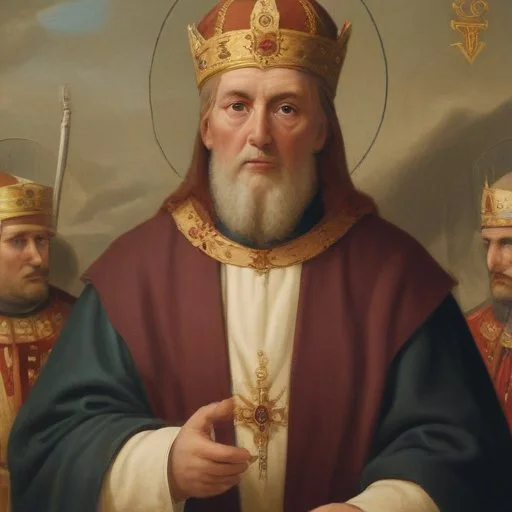
The early 13th century was an era of fervent missionary zeal, with European Christianity seeking to spread its wings across the continent. The Baltic region, with its diverse pagan populations, presented a prime target for evangelization. Bishop Albert, backed by the powerful Livonian Brothers of the Sword, capitalized on this opportunity, propelling the region into a period of significant change.
The establishment of Terra Mariana was a catalyst for a series of events that would forever alter the fabric of the Baltic region. Key milestones include:
The establishment of Terra Mariana had far-reaching consequences, including the spread of Christianity, the expansion of Germanic influence, and the reshaping of local politics. The region would experience centuries of cultural clashes, military campaigns, and power struggles, but the seeds of this transformation were sown on this fateful day.
The introduction of Christianity and Germanic customs had a profound impact on the indigenous populations of the Baltic region. As the region became increasingly integrated into the European cultural sphere, local traditions and customs were gradually supplanted by those of the dominant powers.
The establishment of Terra Mariana was not without its controversies. The imposition of Christianity and Germanic rule was often met with resistance from local populations, leading to outbreaks of violence and periods of unrest. Despite these challenges, the region would eventually come to accommodate its new reality, fostering a unique cultural identity shaped by its turbulent history.
The establishment of Terra Mariana marks a pivotal moment in the history of the Baltic region, setting the stage for centuries of growth, transformation, and cultural exchange. As a testament to the enduring legacy of this event, present-day Latvia and Estonia continue to draw upon their rich cultural heritage, shaped by the complex interplay of faith, empire, and identity that began on this day.
Bishop Albert of Buxhoeveden was born into a noble family in the Duchy of Bremen. His early education and training for the clergy instilled in him a strong sense of devotion and a desire to spread Christianity. His experiences as a young priest in Germany exposed him to the growing influence of the Catholic Church and its ambitions to expand its reach.
These formative years laid the foundation for Bishop Albert's future endeavors, including his vision for Terra Mariana. His unwavering commitment to the Church and its teachings drove him to take bold action, ultimately shaping the course of history in the Baltic region.
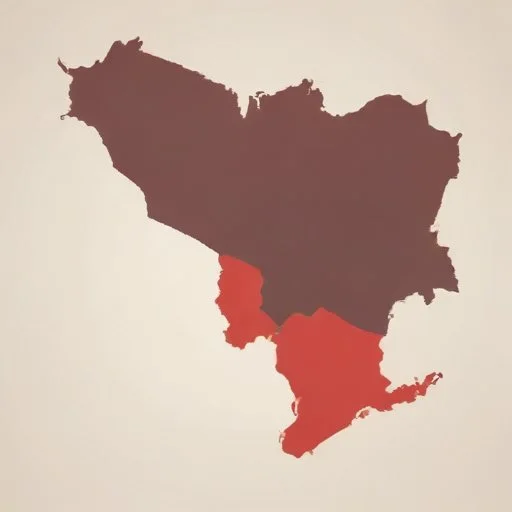
The establishment of Terra Mariana marked the beginning of a cultural exchange that would forever alter the fabric of the Baltic region. The introduction of Germanic customs, language, and architecture merged with indigenous traditions, giving rise to a unique cultural identity.
This synthesis is evident in the region's architecture, art, and literature, which reflect the blending of Baltic and Germanic influences. The emergence of a distinct cultural identity was a direct result of the convergence of these two distinct traditions.
The Baltic region, situated at the crossroads of Eastern and Western Europe, has long been a hub of strategic importance. Control of the region provided access to vital trade routes, connecting the Baltic Sea to the North Sea and the Mediterranean.
The establishment of Terra Mariana marked a significant shift in the regional balance of power, as the Germanic influence expanded its reach into the Baltic. This development had far-reaching implications for international trade and politics.
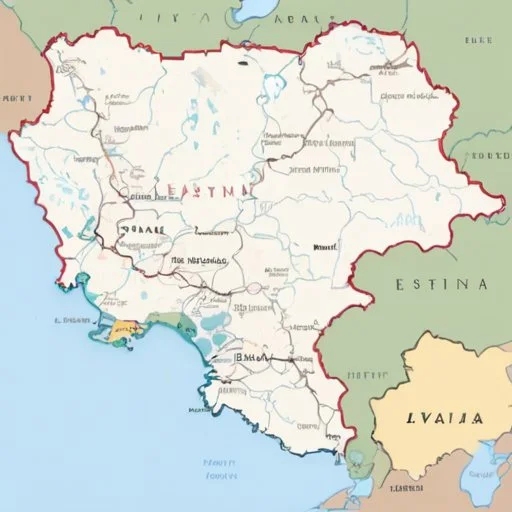
The introduction of Christianity and Germanic customs sparked a process of social change that transformed the Baltic region. The indigenous populations, faced with the choice of conversion or resistance, responded in diverse ways, leading to a complex dynamics of social change.
This process of assimilation and conversion was often marked by tension and conflict, as local traditions and customs were gradually supplanted by those of the dominant powers. The resulting social landscape was characterized by a complex interplay of cultural identities.
The establishment of Terra Mariana has been subject to varying interpretations by historians and scholars. Some have viewed the event as a triumph of Christianization and Germanic influence, while others have seen it as a brutal imposition of foreign rule.
More recent scholarship has sought to nuance this narrative, highlighting the complex interplay of factors that shaped the region's development. A more balanced understanding of the legacy of Terra Mariana has emerged, acknowledging both the positive and negative aspects of this pivotal event.