


In the vast plains of Shaanxi province, China, a groundbreaking discovery in 1974 unveiled the world's most breathtaking archaeological treasure: the Terracotta Army. This life-sized legion of over 8,000 terracotta soldiers, 130 chariots with 520 horses, and 150 cavalry horses, stands as a testament to the grandeur of ancient Chinese civilization, fascinating archaeologists and the public alike.
The Terracotta Army was created to protect the tomb of China's first emperor, Qin Shi Huang, who united the country's warring states and laid the foundation for imperial China. The army's intricate details and life-like features reveal the advanced craftsmanship of ancient Chinese artisans. Each soldier, varying in height, uniforms, and facial expressions, was meticulously designed to represent the diversity of the Chinese people.
The discovery of the Terracotta Army was a result of a series of fortunate events. Local farmers, Wang Vigang, Yang Quanyi, and Xu Wahong, stumbled upon fragments of ancient pottery while digging a well in Xi'an, Shaanxi province. News of their discovery soon reached the attention of archaeologists, who began excavating the site in 1976. As the excavation progressed, the sheer scale and significance of the find became apparent, captivating the world's imagination.
Qin Shi Huang, the enigmatic first emperor of China, commissioned the construction of the Terracotta Army to ensure his protection and comfort in the afterlife. The army's creation is attributed to the skillful hands of thousands of artisans, laborers, and craftsmen who worked tirelessly for over 36 years. The mastermind behind the army's design and construction remains a mystery, but it is believed to be the work of a brilliant and innovative architect.
The Terracotta Army has become an iconic symbol of Chinese culture and history, inspiring countless works of art, literature, and film. The discovery has also fueled a renewed interest in archaeology, driving advancements in excavation techniques and cultural preservation. The Terracotta Army's influence extends beyond China, serving as a ambassadors of cultural exchange and understanding between nations.
The Terracotta Army has inspired generations of archaeologists, historians, and enthusiasts, validating the importance of preserving our cultural heritage. The discovery serves as a poignant reminder of the ingenuity and creativity of ancient civilizations, motivating us to continue exploring and understanding the richness of human history.
The Terracotta Army stands as a testament to human ingenuity, creativity, and perseverance, beckoning us to explore the secrets of our ancient past and inspiring us to create a brighter future.
The Terracotta Army's discovery has had a profound impact on Chinese culture and identity. It has become a symbol of national pride, showcasing the country's rich history and cultural heritage. The site has also become a major tourist attraction, with over 2 million visitors annually, generating significant revenue for the local economy. Moreover, the discovery has inspired a new generation of archaeologists, historians, and cultural enthusiasts, stimulating a renewed interest in Chinese culture and history.
The Terracotta Army has also played a crucial role in promoting cultural exchange and understanding between China and other nations. It has been exhibited in numerous international museums and exhibitions, allowing people around the world to appreciate the beauty and significance of Chinese art and culture. This has helped to foster greater cultural understanding and cooperation, promoting peaceful relations and collaboration between nations.
Furthermore, the Terracotta Army has inspired numerous artistic and cultural works, including films, literature, and art exhibitions. It has become a cultural icon, symbolizing the grandeur and sophistication of ancient Chinese civilization. This has helped to promote a deeper understanding and appreciation of Chinese culture, both domestically and internationally.
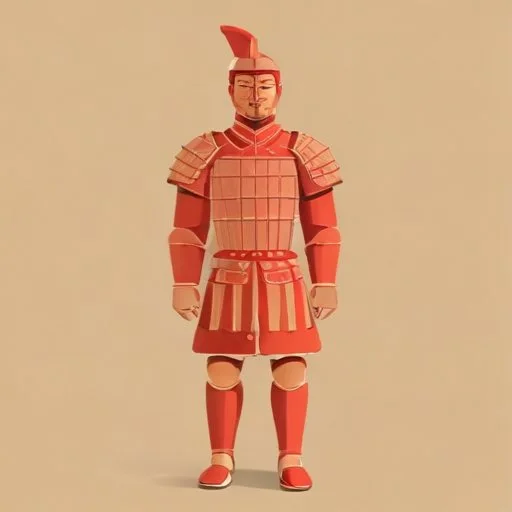
The Terracotta Army is not only an impressive archaeological discovery but also an extraordinary example of ancient Chinese craftsmanship. The life-sized terracotta soldiers, horses, and chariots showcase the advanced techniques and skills of ancient Chinese artisans. Each soldier's face is unique, with some displaying signs of injury or age, demonstrating the artisans' attention to detail and ability to capture the nuances of human expression.
The construction of the Terracotta Army required an enormous amount of time, labor, and resources. The soldiers' bodies were built using a combination of wood and terracotta, with the terracotta used for the exterior and wood for the internal framework. The use of bronze weapons, armor, and chariot fittings added to the army's grandeur, highlighting the advanced metalworking skills of ancient Chinese craftsmen.
The Terracotta Army's preservation is also a testament to the ingenuity of ancient Chinese engineers. The site's excavation revealed a complex system of underground pits and tunnels, which helped to protect the army from damage and decay. This sophisticated system of preservation allowed the army to remain intact for over 2,000 years, providing a unique window into ancient Chinese history and culture.
Historians and archaeologists have long debated the significance of the Terracotta Army, with some interpreting it as a testament to the power and ambition of Qin Shi Huang, while others see it as a symbol of the brutal and oppressive nature of his reign. The army's construction has also been viewed as a reflection of the social and economic structure of ancient Chinese society, with the thousands of workers involved in its construction representing the vast networks of labor and resources at the emperor's disposal.
From a historiographical perspective, the Terracotta Army provides a unique insight into the methodologies and approaches of ancient Chinese historians. The discovery has challenged traditional narratives of Chinese history, highlighting the importance of material culture and archaeological evidence in understanding the past. The army's excavation has also raised questions about the nature of history and memory, with the site serving as a powerful symbol of China's collective cultural heritage.
The Terracotta Army has also been the subject of numerous reinterpretations and reevaluations, with historians and archaeologists continually reassessing its significance in light of new discoveries and evidence. This ongoing process of reevaluation highlights the dynamic and evolving nature of historical understanding, with the Terracotta Army serving as a powerful symbol of the complexities and nuances of the past.
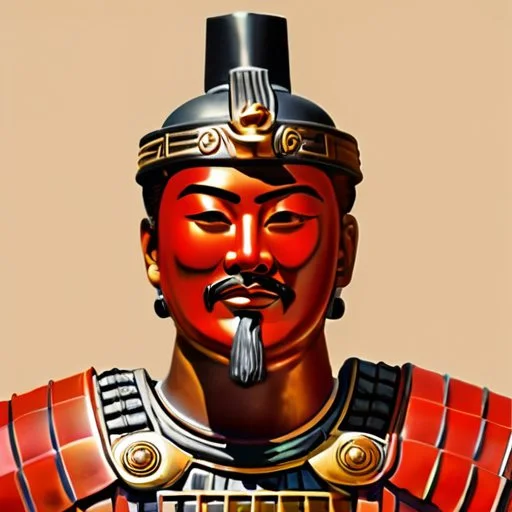
Qin Shi Huang, the enigmatic first emperor of China, is often portrayed as a ruthless and power-hungry leader, driven by a desire for immortality and greatness. However, the construction of the Terracotta Army reveals a more nuanced and complex figure, driven by a vision of a unified and powerful China. Qin Shi Huang's decision to build the army reflects his confidence in his own legacy and his desire to leave a lasting impact on Chinese history.
Little is known about the mastermind behind the army's design and construction, but it is believed to be the work of a brilliant and innovative architect. This individual, whose name has been lost to history, played a crucial role in bringing Qin Shi Huang's vision to life, overseeing the thousands of workers and artisans involved in the army's construction.
The local farmers who stumbled upon the Terracotta Army, Wang Vigang, Yang Quanyi, and Xu Wahong, are often overlooked in accounts of the discovery. However, their chance find has had a profound impact on our understanding of ancient Chinese history and culture, highlighting the importance of serendipity and chance in the discovery of knowledge.
The Terracotta Army is often compared to other ancient wonders, such as the Great Pyramid of Giza and the Hanging Gardens of Babylon. While these comparisons are useful in highlighting the army's grandeur and scale, they also obscure the unique cultural and historical context in which it was created. The Terracotta Army is distinct from other ancient wonders in its sheer size, complexity, and level of craftsmanship, reflecting the advanced technologies and social organization of ancient Chinese civilization.
In terms of its cultural significance, the Terracotta Army is often compared to other iconic cultural symbols, such as the Mona Lisa and the Eiffel Tower. However, the army's significance extends beyond mere cultural iconography, representing a complex web of historical, cultural, and social factors that defined ancient Chinese society. This complexity is reflected in the army's intricate details, subtle nuances, and sheer scale, making it a unique and unparalleled cultural treasure.