


In a quiet moment of innovation, a test engineer for Sema Group sent a message that would change the course of communication history. On a personal computer, Neil Papworth tapped out a simple yet profound message – "Merry Christmas" – to his colleague's phone via the Vodafone network, giving birth to the world's first text message.
This groundbreaking moment marked the beginning of a revolution in personal communication, paving the way for billions of texts, emojis, and conversations that would forever alter the way we connect with each other.
Neil Papworth, the test engineer responsible for this momentous occasion, was an unsung hero of the digital age. His innovative spirit and technical expertise came together to create a phenomenon that would transcend borders, languages, and cultures.
The advent of text messaging has had far-reaching consequences, from changing the way we communicate to revolutionizing the way businesses operate. The impact of this innovation has been felt across the globe, with:
The humble text message has become an integral part of our cultural fabric, influencing the way we express ourselves, form relationships, and conduct our daily lives. From the proliferation of emojis to the rise of messaging apps, text messaging has:
"I didn't think it would be big, but I knew it would be useful." – Neil Papworth
The world's first text message has left an indelible mark on human history, shaping the course of communication and beyond. As we look to the future, we are reminded that even the simplest of innovations can have profound and far-reaching consequences.
The advent of text messaging has not only revolutionized the way we communicate but has also had a profound impact on our cultural landscape. It has enabled the creation of new forms of expression, from emojis to abbreviations, and has altered the way we form and maintain relationships.
In the realm of language, text messaging has given rise to new dialects and slang, with words like "lol" and "btw" becoming an integral part of our lexicon. It has also enabled the creation of new forms of poetry and literature, with the concise and concise nature of text messages lending itself to the development of new forms of creative expression.
Moreover, text messaging has also had an impact on our social norms and etiquette. It has enabled the creation of new rules of engagement, with the use of emojis and abbreviations becoming an accepted way of communicating in both personal and professional settings.

The first text message, sent by Neil Papworth in 1992, marked the beginning of a technological revolution in communication. Since then, the technology has evolved significantly, with advancements in mobile networks, handset capabilities, and software development.
The early 2000s saw the introduction of multimedia messaging services (MMS), enabling users to send images, videos, and audio files. This was followed by the development of instant messaging apps, such as WhatsApp and WeChat, which have further transformed the way we communicate.
Today, text messaging is no longer limited to simple SMS messages. Advances in artificial intelligence and machine learning have enabled the development of chatbots, virtual assistants, and other AI-powered communication tools.
The advent of text messaging has had a significant impact on the global economy, with the industry generating billions of dollars in revenue each year. In the early 2000s, text messaging was a major revenue stream for mobile operators, with SMS fees generating significant profits.
Today, the industry has evolved, with the rise of over-the-top (OTT) messaging apps, such as WhatsApp and Facebook Messenger, which have disrupted traditional SMS revenue models. However, this has also created new opportunities for businesses, with the development of mobile marketing and mobile payments.
In addition, the impact of text messaging on e-commerce and online transactions cannot be overstated. With the rise of mobile commerce, text messaging has become an essential tool for businesses, enabling them to communicate with customers, provide updates, and facilitate transactions.
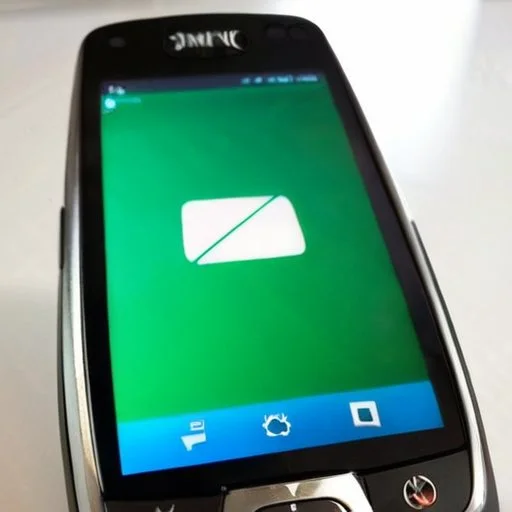
The first text message, sent in 1992, was a product of its time, reflecting the technological and cultural advancements of the era. The early 1990s were a period of significant technological change, with the rise of the internet, mobile phones, and the digital age.
The development of the first text message was also influenced by the regulatory environment of the time. In the UK, the Vodafone network was one of the first to offer commercial SMS services, paving the way for the widespread adoption of text messaging.
Moreover, the first text message was also a reflection of the cultural shifts of the time, with the rise of youth culture, the emergence of new forms of entertainment, and the growing importance of personal communication.
Neil Papworth, the test engineer responsible for sending the first text message, remains an unsung hero of the digital age. A quiet and unassuming individual, Papworth's innovative spirit and technical expertise came together to create a phenomenon that would transcend borders, languages, and cultures.
Papworth's story is one of humble beginnings, with the British engineer working behind the scenes to develop the technology that would enable the first text message. His contribution to the development of SMS technology has had a lasting impact on human history, shaping the course of communication and beyond.
Today, Papworth's legacy continues to inspire, with his innovative spirit and technical expertise serving as a beacon for future generations of engineers, developers, and innovators.