


The year 1940 marked a dark turning point in the history of the Baltic region, as Estonia, Latvia, and Lithuania fell under the occupation of the Soviet Union. For nearly five decades, the once-independent nations were forced to conform to the whims of Moscow, their cultures and identities suppressed, and their sovereignty crushed.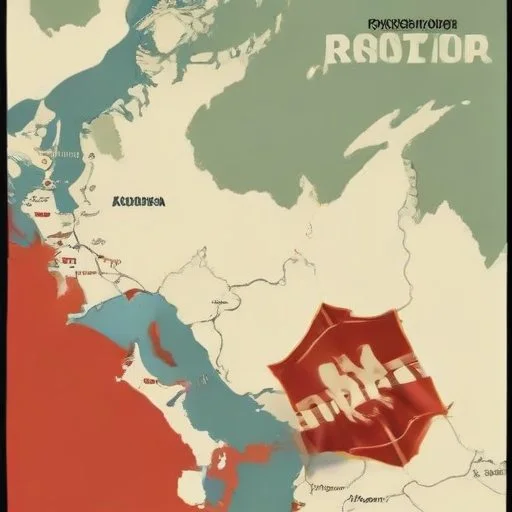
In the aftermath of World War I, the Baltic states had finally gained their long-sought independence from Russia. However, this fleeting taste of freedom was short-lived, as the threat of communism loomed large on the horizon. The Molotov-Ribbentrop Pact, a non-aggression treaty signed between the Soviet Union and Nazi Germany in 1939, secretly divided Eastern Europe into Soviet and German spheres of influence, paving the way for the occupation of the Baltic states.
The Soviet occupation of the Baltic states led to a reign of terror, characterized by mass deportations, forced labor, and the suppression of national identities. The region's economy was ravaged, and its cultural heritage was systematically erased. The once-thriving cities of Tallinn, Riga, and Vilnius were reduced to mere shadows of their former selves, their people forced to live in fear of the Soviet authorities.
The Soviet occupation had a profound impact on the cultural and social fabric of the Baltic states. National languages and customs were suppressed, and Russian was imposed as the official language. The region's rich cultural heritage, including its literature, art, and music, was relegated to the shadows, as Soviet ideology was forced upon the people.
The Soviet occupation of the Baltic states remains a deeply contentious issue, with many regarding it as a brutal and oppressive regime. The legacy of the occupation continues to shape the region's politics and identity, with many calling for greater recognition of the suffering endured by the Baltic people during this period.
One Estonian, who lived through the occupation, recalled the brutal suppression of dissent: "If you spoke out against the Soviet authorities, you were labeled an enemy of the state. You would be arrested, tortured, and sent to Siberia. We lived in constant fear, never knowing when the knock on the door would come."
The Soviet occupation of the Baltic states ultimately contributed to the collapse of the Soviet Union in 1991. As the Iron Curtain lifted, the Baltic states were finally able to reclaim their independence, and embark on a journey of rebirth and revitalization. Today, Estonia, Latvia, and Lithuania stand as proud, independent nations, their cultures and identities thriving once more.
The occupation of the Baltic states serves as a powerful reminder of the importance of national sovereignty and human rights. It is a testament to the resilience of the Baltic people, who despite suffering unimaginable hardship, never lost their spirit or their identity. As we reflect on this dark chapter in history, we must honor the memory of those who suffered, and recommit ourselves to protecting the fundamental rights and freedoms of all people.
The Soviet occupation of the Baltic states was marked by a systematic erasure of national identity. The Soviet authorities sought to suppress any expression of Estonian, Latvian, and Lithuanian culture, replacing it with Soviet ideology. This cultural suppression was evident in the renaming of streets, cities, and landmarks, as well as the imposition of Russian as the official language.
Cultural institutions, such as museums, libraries, and theaters, were also targeted, with many being shut down or repurposed to promote Soviet ideology. The once-thriving cultural scene of the Baltic states was reduced to a mere shadow of its former self, with many artists and intellectuals forced into exile or silence.
Despite this cultural repression, the Baltic people managed to preserve their national identity through underground cultural activities, such as secret language classes and hidden art studios. These clandestine efforts helped to keep the flame of national identity burning, even in the darkest of times.
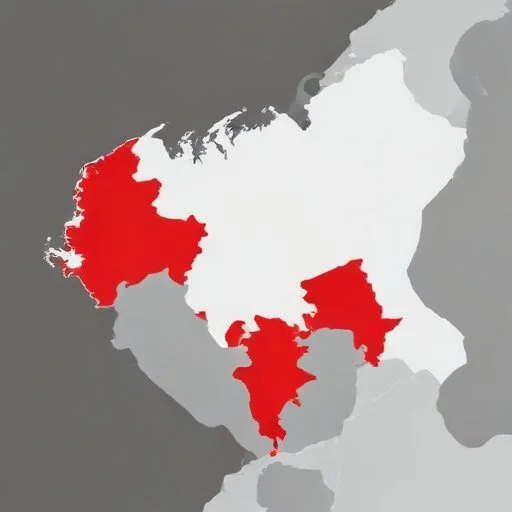
Józef Piłsudski was a Polish politician and military leader who played a crucial role in the events leading up to the Soviet occupation of the Baltic states. Piłsudski was a strong advocate for Polish independence and sovereignty, and he worked tirelessly to resist Soviet aggression.
Despite his efforts, Piłsudski was ultimately unable to prevent the Soviet occupation of the Baltic states. However, his bravery and leadership inspired a generation of Poles and Baltic people to resist Soviet oppression and fight for their independence.
Piłsudski's legacy continues to be felt today, with many regarding him as a hero and a symbol of national resistance against Soviet tyranny.
The Soviet occupation of the Baltic states had a devastating impact on the region's economy. The Soviet authorities imposed a command economy, suppressing private enterprise and innovation. This led to widespread poverty, shortages, and economic stagnation.
The Baltic states, once known for their thriving economies and industrial centers, were reduced to mere shadows of their former selves. The region's agricultural sector, once a major contributor to the economy, was also severely impacted, with collectivization and forced labor becoming the norm.
The economic consequences of Soviet rule were felt for generations to come, with the Baltic states struggling to recover from the devastation even after regaining their independence.
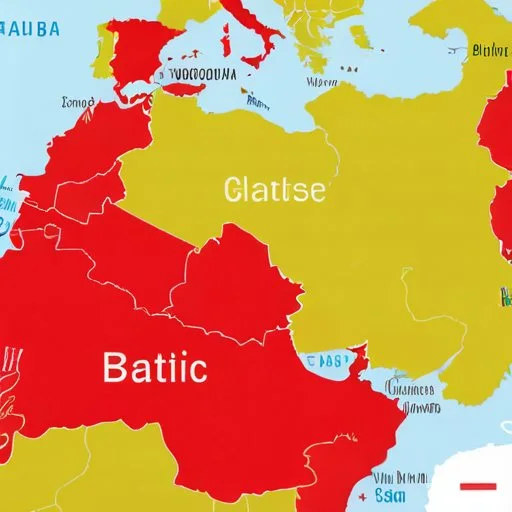
Historians have long debated the intentions of the Soviet Union in occupying the Baltic states. Some argue that the Soviet Union's primary goal was to spread communism and expand its territory, while others contend that the occupation was motivated by a desire to secure the Soviet Union's borders and prevent German expansion.
Recent archival research has shed new light on the Soviet Union's decision-making process, revealing a complex web of motivations and strategic calculations. Despite these new insights, the debate over Soviet intentions remains a contentious issue among historians.
Understanding the motivations behind the Soviet occupation is crucial for grasping the complexities of this pivotal event in modern history.
The Soviet occupation of the Baltic states was a classic example of a powerful state exploiting its weaker neighbors. The Soviet Union's military might and economic dominance gave it significant leverage over the Baltic states, allowing it to impose its will with relative ease.
The occupation also highlighted the complexities of international power dynamics, with the Western powers, particularly the United States and the United Kingdom, failing to intervene on behalf of the Baltic states. This lack of intervention has been attributed to a range of factors, including the fear of Soviet retaliation and the prioritization of maintaining good relations with the Soviet Union during the Cold War.
The Soviet occupation of the Baltic states serves as a powerful reminder of the importance of power dynamics in international relations, and the need for vigilance in protecting national sovereignty and human rights.