


The idea of cloning an extinct species was first proposed in the 1990s, with the Pyrenean ibex being a prime candidate. This majestic creature, native to the Pyrenees mountains between France and Spain, had been driven to extinction by habitat loss and hunting. In 1999, a team of scientists from the Centre of Food Technology and Research of Aragon (CITA) in Spain, led by Dr. José Folch, embarked on a mission to preserve the species' genetic material.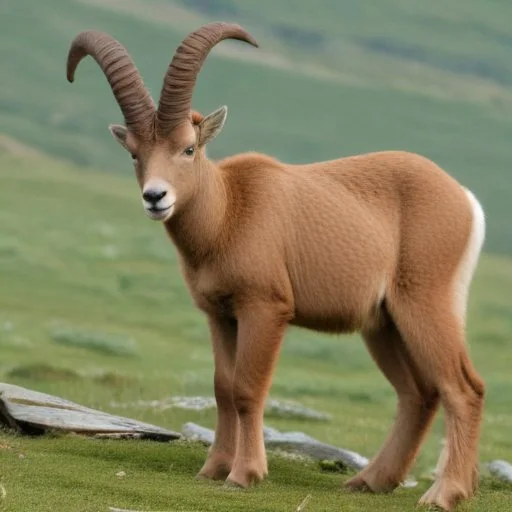
The cloning process involved using the frozen skin cells of Celia, the last Pyrenean ibex, which had been stored at the CITA since her death in 2000. The cells were then stimulated to divide and multiply, creating an embryo that was implanted into a surrogate mother – a domestic goat. After a successful gestation period, the cloned calf was born on July 30, 2003.
The birth of the cloned Celia sparked widespread excitement and hope for the future of genetic engineering. However, the joy was short-lived, as the calf's fragile health soon became apparent. Within minutes of birth, the calf began to exhibit signs of distress, and despite efforts to save her, she succumbed to lung defects.
Though the cloned Celia's life was cut short, her legacy continues to inspire scientists and conservationists worldwide. The Pyrenean ibex's remarkable story highlights the importance of preserving genetic material and the potential of genetic engineering in species conservation. This groundbreaking achievement serves as a catalyst for further research and innovation in the field.
Celia, the last Pyrenean ibex, and her cloned counterpart, may be gone, but their memory lives on. Their story serves as a poignant reminder of the fragility of life and the importance of preserving our planet's biodiversity. As we continue to push the boundaries of genetic engineering, we must remember the delicate balance between science and nature.
The Pyrenean ibex's remarkable story serves as a testament to human innovation and the power of genetic engineering. Though the outcome was bittersweet, this achievement has paved the way for future research and conservation efforts. As we continue to explore the possibilities of genetic engineering, we must remember the importance of responsible stewardship of our planet's precious resources.
The resurrection of the Pyrenean ibex highlights the significant advancements made in genetic engineering and cloning technology. This achievement demonstrates the potential for scientists to bring back extinct species, paving the way for further research and conservation efforts. The successful cloning of Celia also underscores the importance of preserving genetic material, even in the face of extinction.
Furthermore, the Pyrenean ibex's story showcases the crucial role of cryopreservation in species conservation. The frozen skin cells of Celia, stored at the CITA, enabled scientists to clone the species years after its extinction. This technique has far-reaching implications for the preservation of endangered species and the potential for de-extinction.
Pioneering Genetic ResearchThe study of genetics has led to numerous breakthroughs in the field of genetic engineering. The Pyrenean ibex's cloning is a testament to the power of genetic research and its applications in conservation biology.

The narrative of the Pyrenean ibex's resurrection is a fascinating chapter in the annals of conservation history. This story highlights the human desire to conquer extinction and the lengths to which scientists will go to preserve biodiversity.
By examining the historical context of the Pyrenean ibex's extinction, we can better understand the complex interplay between human activities and environmental degradation. The species' demise serves as a cautionary tale about the importance of responsible stewardship of the natural world.
Conservation in the Modern EraThe Pyrenean ibex's story serves as a benchmark for modern conservation efforts. As we continue to grapple with the challenges of species extinction, the Pyrenean ibex's remarkable journey serves as a beacon of hope for the future of conservation.
The Pyrenean ibex's extinction was a direct result of habitat loss and hunting, highlighting the devastating impact of human activities on the environment. The species' decline serves as a stark reminder of the importance of preserving natural habitats and ecosystems.
The successful cloning of the Pyrenean ibex also underscores the potential for genetic engineering to aid in species conservation. By exploring the possibilities of de-extinction, we may be able to mitigate the effects of human activities on the environment and restore balance to ecosystems.
Habitat PreservationThe Pyrenean ibex's story emphasizes the need for sustainable land-use practices and habitat preservation. By protecting natural habitats, we can prevent further extinctions and maintain biodiversity.

Dr. José Folch, the lead scientist behind the Pyrenean ibex cloning project, is a renowned geneticist and conservation biologist. His dedication to preserving the Pyrenean ibex's genetic material and his pioneering work in genetic engineering have made him a trailblazer in the field of species conservation.
Under Dr. Folch's guidance, the Centre of Food Technology and Research of Aragon (CITA) has become a hub for advanced genetic research and conservation efforts. His vision for a future where extinct species can be brought back to life has inspired a new generation of scientists and conservationists.
A Champion of ConservationDr. Folch's groundbreaking work has paved the way for further research into genetic engineering and species conservation. His tireless efforts to preserve biodiversity have made a lasting impact on the scientific community and beyond.
The cloning of the Pyrenean ibex represents a significant technological milestone, demonstrating the power of genetic engineering to transform species conservation. This achievement showcases the rapid advancements being made in cloning technology and its applications in conservation biology.
The successful cloning of Celia also highlights the importance of cryopreservation in species conservation. The ability to store and utilize frozen genetic material has opened up new avenues for de-extinction and species preservation.
Advancements in Cloning TechnologyThe Pyrenean ibex's cloning has pushed the boundaries of genetic engineering, demonstrating the potential for this technology to revolutionize species conservation. As cloning technology continues to evolve, we can expect to see further breakthroughs in the field of conservation biology.