


The Tiananmen Square protests and massacre, a turning point in modern Chinese history, are etched in memory as a brutal suppression of democratic ideals by the People's Liberation Army, resulting in an estimated 241 to 10,000 lives lost.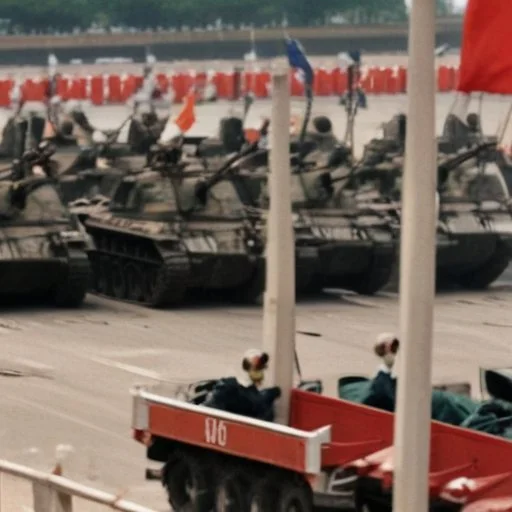
In the years leading up to the protests, China was experiencing a wave of economic reforms, which inadvertently created an atmosphere of growing dissatisfaction among the population. As the country's economy began to open up, the people's expectations for political freedom and human rights began to rise. This created a sense of discontent among the masses, particularly among students and intellectuals, who felt that the government was not doing enough to address their concerns.
On April 15, 1989, a group of university students in Beijing gathered in Tiananmen Square to mourn the death of Hu Yaobang, a former Communist Party leader who had been forced to resign due to his liberal views. The gathering soon turned into a full-blown protest, with thousands of people joining in, demanding democracy, freedom of speech, and an end to corruption.
Initially, the government seemed willing to engage in dialogue with the protesters, but as the protests grew in size and intensity, the authorities' stance hardened. On May 20, 1989, the government declared martial law, and on June 3 and 4, the People's Liberation Army (PLA) was deployed to quell the protests.
The PLA's response was brutal and merciless. Tanks rolled into the square, crushing barricades and protesters alike. Machine gun fire rained down on the crowds, and soldiers beat and arrested anyone who refused to disperse. The estimated death toll varies widely, ranging from 241 to 10,000, with many more injured and arrested.
The Tiananmen Square Massacre had far-reaching consequences, both domestically and internationally. The event led to a severe crackdown on dissent in China, with many activists imprisoned or forced into exile. The international community condemned the violence, imposing economic sanctions on China. The event also led to a shift in global perceptions of China, from a country opening up to the world to one seen as repressive and authoritarian.
The Tiananmen Square Massacre has had a lasting impact on Chinese culture and society. It has become a taboo topic in mainland China, with the government going to great lengths to suppress any mention of the event. However, in Taiwan, Hong Kong, and overseas Chinese communities, the event is remembered as a symbol of resistance against authoritarianism.
"We must act, we must act, we must act! The students are willing to give their lives for democracy, but are the government officials willing to give their authority for democracy?" - Chai Ling
The Tiananmen Square Massacre has served as a cautionary tale for governments worldwide, highlighting the dangers of suppressing peaceful protests. It has also inspired generations of activists and democracy advocates, from the Arab Spring to Hong Kong's Umbrella Movement.
In the aftermath of the massacre, numerous organizations and individuals stepped forward to provide aid and support to the victims and their families. The event also inspired a new wave of charity and social work in China, as people sought to make a positive difference in their communities.
Wang Dan, a young and charismatic student leader, emerged as one of the most prominent figures of the Tiananmen Square protests. Born in 1969, Wang was a history student at Peking University when he became involved in the movement. His eloquence, passion, and determination made him a natural leader, and he quickly gained the respect and admiration of his fellow protesters.
Wang's leadership played a significant role in shaping the direction of the protests. He helped to organize the Students' Autonomous Federation, which became the main coordinating body of the movement. His speeches and writings inspired thousands of students to join the protests, and his bravery in the face of government repression earned him international recognition.
Wang's LegacyWang's activism came at a great personal cost. He was arrested on June 9, 1989, and subsequently sentenced to four years in prison. Despite the hardships he faced, Wang continued to advocate for democracy and human rights, earning him numerous international awards and recognition.

The Tiananmen Square Massacre had a profound impact on Chinese literature and art, inspiring a new generation of writers, artists, and musicians to express their dissent and discontent. The event became a symbol of resistance against authoritarianism, and many creatives saw it as a call to action to challenge the status quo.
Novelists like Ma Jian and Dai Houying wrote about the protests, capturing the mood and atmosphere of the time. Poets like Bei Dao and Gu Cheng poured their emotions onto the page, using their words to convey the sense of frustration and desperation felt by many.
"The Tiananmen Square Massacre marked a turning point in Chinese literature," says literary critic, Dr. Yang Ling. "It forced writers to confront the harsh realities of the regime and to question the very fabric of Chinese society."The Tiananmen Square Massacre marked a significant shift in the political landscape of China, paving the way for a new era of dissent and activism. The event exposed the government's willingness to use force to maintain its power, leading many to question the legitimacy of the regime.
In the years following the massacre, a new generation of activists and dissidents emerged, inspired by the bravery and sacrifice of the Tiananmen protesters. Human rights lawyers like Gao Zhisheng and Xu Zhiyong became prominent figures, challenging the government's abuses of power and advocating for democratic reforms.
The Birth of a New MovementThe Tiananmen Square Massacre galvanized a new movement for democracy and human rights in China, one that continues to this day. Despite the government's efforts to suppress dissent, activists and dissidents continue to push for change, inspired by the sacrifices of those who came before them.
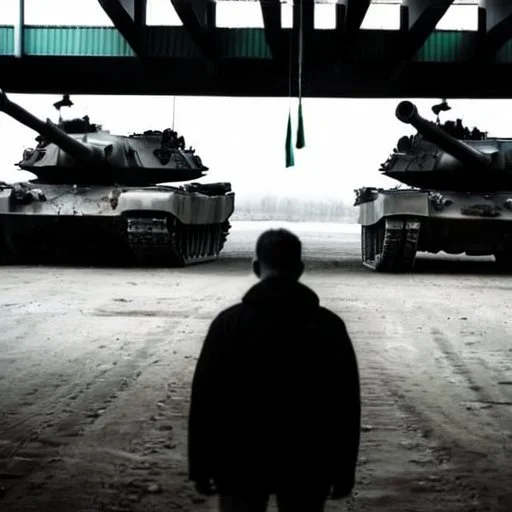
The Tiananmen Square Massacre had significant economic costs for China, both in the short and long term. The event led to widespread international condemnation, resulting in economic sanctions and a decline in foreign investment.
In the immediate aftermath of the massacre, the Chinese economy suffered a sharp decline, with GDP growth slowing to 4% in 1989. The event also led to a decline in tourism, as foreign visitors stayed away from a country seen as repressive and authoritarian.
A Lasting ImpactThe Tiananmen Square Massacre had a lasting impact on China's economy, making it harder for the country to shake off its image as a repressive regime. The event also led to increased scrutiny of China's human rights record, making it harder for the country to attract foreign investment and talent.
The Tiananmen Square Massacre took place against the backdrop of a rapidly changing geopolitical landscape. The fall of the Berlin Wall in 1989 marked the beginning of the end of the Cold War, and the Soviet Union's decline created a power vacuum that China sought to fill.
The event also coincided with a period of rapid economic growth in East Asia, as countries like South Korea and Taiwan began to emerge as major economic powers. China's own economic reforms, launched in the late 1970s, had created a sense of optimism and expectation among its citizens, which the government's brutal response to the protests ultimately disappointed.
A Turning Point in Sino-Western RelationsThe Tiananmen Square Massacre marked a turning point in Sino-Western relations, as the event led to widespread international condemnation and a re-evaluation of China's role in the world. The event also led to increased scrutiny of China's human rights record, making it harder for the country to pursue its foreign policy goals without being held accountable for its actions at home.