


The small town of Dantan in eastern India will forever be remembered for the tragic events of a single day, when a rare and powerful tornado swept through the region, leaving a trail of destruction and devastation in its wake. The tornado, which struck on a fateful day in 1993, is known for being one of the deadliest tornadoes to ever hit India, claiming the lives of 250 people and injuring an astonishing 3,000 others.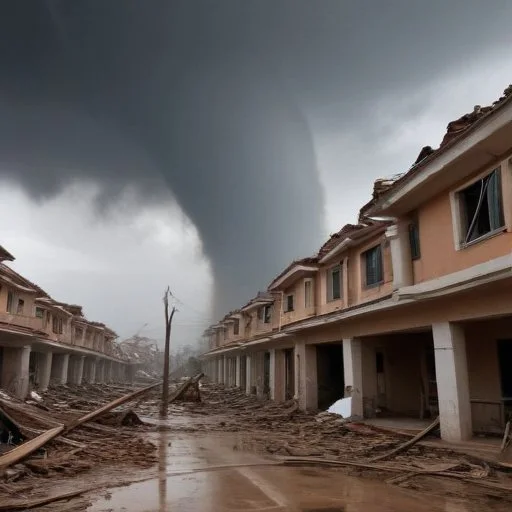
Tornadoes are extremely rare in India, and the country's geography makes it one of the least tornado-prone regions in the world. The Indian subcontinent's unique combination of mountains, oceans, and weather patterns means that the conditions necessary to form a tornado are rarely met. As a result, the Dantan tornado was a freak event that caught residents and authorities off guard.
The tornado struck Dantan with incredible force, bringing with it winds of up to 300 km/h (186 mph). The storm ripped through homes, businesses, and infrastructure, leaving a landscape of utter devastation in its wake. Eyewitnesses described the tornado as a "swirling black cloud" that seemed to appear out of nowhere, bringing with it a deafening roar and a feeling of intense fear.
In the aftermath of the disaster, rescue teams struggled to reach the affected areas, which were often inaccessible due to the destruction of roads and infrastructure. As the scale of the disaster became clear, the Indian government launched a massive relief operation, deploying troops, aid workers, and medical teams to the region. The relief efforts were hampered by the remote location of Dantan and the lack of infrastructure, but eventually, aid began to flow into the region.
The Dantan tornado had a profound impact on the local community, which was left reeling from the tragedy. Entire families were wiped out, and many survivors were left to pick up the pieces of their shattered lives. The storm also had a significant economic impact on the region, with many businesses and livelihoods destroyed.
The Dantan tornado served as a wake-up call for India's disaster management authorities, highlighting the need for improved disaster preparedness and response mechanisms. In the years following the tragedy, the Indian government invested heavily in disaster management infrastructure, including early warning systems and emergency response networks.
The Dantan tornado may have been a rare event, but its legacy continues to be felt to this day. The tragedy served as a catalyst for change, driving improvements in disaster management and emergency response in India. It also raised awareness about the importance of disaster preparedness and the need for communities to be prepared for the unexpected.
| Date | Event |
|---|---|
| 1993 | Tornado strikes Dantan, India |
| 1993 | Rescue efforts begin |
| 1990s | Indian government invests in disaster management infrastructure |
The geographical location of Dantan, situated in the eastern part of India, played a significant role in the devastating impact of the tornado. The region's flat topography and proximity to the Bay of Bengal made it more susceptible to extreme weather conditions. Furthermore, the Indian subcontinent's unique geography, with the Himalayan mountain range to the north and the Indian Ocean to the south, creates a complex weather pattern that can lead to the formation of rare and powerful storms like tornadoes.
In addition, the region's climate, characterized by high temperatures and humidity during the summer months, contributed to the perfect storm that led to the tornado. The combination of these geographical and climatic factors created a recipe for disaster, which ultimately resulted in one of the deadliest tornadoes in Indian history.

The economic impact of the Dantan tornado was severe and far-reaching. The destruction of infrastructure, homes, and businesses resulted in significant financial losses, estimated to be in the millions of rupees. The agricultural sector, which is a vital part of the local economy, was severely affected, with many farmers losing their livelihoods.
The Indian government's response to the disaster, although commendable, was also costly. The relief efforts, including the deployment of troops, aid workers, and medical teams, required a significant allocation of resources. Moreover, the government's investment in disaster management infrastructure in the aftermath of the tragedy further strained the economy.
The long-term economic impact of the tornado was also significant. Many families who lost their homes and livelihoods were forced to migrate to other areas in search of employment, leading to a brain drain in the region. The local economy took years to recover from the devastating effects of the tornado.
The Dantan tornado had a profound impact on the local culture and community. The tragedy brought people together, with many residents coming forward to offer assistance and support to those affected. The disaster also highlighted the importance of community and social bonds in the face of adversity.
The tornado also had an impact on the local folklore and mythology. The event was often referred to as an "act of God," and many residents believed that it was a punishment for past wrongdoings. The tragedy also led to a renewed interest in traditional customs and practices, as people sought comfort and solace in familiar rituals and beliefs.

Historians have argued that the Dantan tornado marked a turning point in India's disaster management policies. The tragedy highlighted the need for improved disaster preparedness and response mechanisms, and it led to a significant overhaul of the country's emergency response systems.
The event has also been studied by historians as an example of the impact of natural disasters on communities. The Dantan tornado is often cited as a case study in the importance of disaster preparedness, and it has been used to inform disaster management policies in other countries.
The Dantan tornado led to significant social change in the region. The tragedy brought attention to the need for improved disaster management infrastructure, and it led to increased investment in emergency response systems. The event also highlighted the importance of community resilience and social bonds in the face of adversity.
The tornado also led to changes in the way people lived and worked in the region. Many residents were forced to adapt to new living arrangements, and the tragedy led to a greater sense of community and cooperation. The event also led to increased awareness about disaster preparedness and the importance of being prepared for natural disasters.