


The signing of the Torrijos-Carter Treaties on September 7, 1977, marked a pivotal moment in the history of international relations and global trade. This landmark agreement saw the United States and Panama come together to sign two treaties, paving the way for the transfer of control of the Panama Canal from the United States to Panama by the end of the 20th century.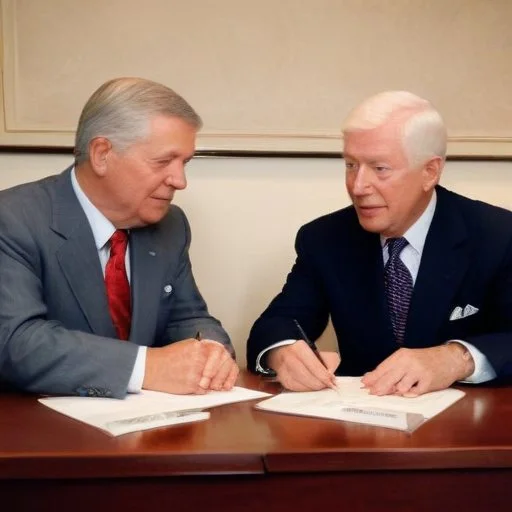
The roots of this agreement can be traced back to the early 20th century when the United States, under the leadership of President Theodore Roosevelt, took control of the Panama Canal Zone. This move was met with resistance from Panama, which had declared its independence from Colombia just a year prior. The subsequent century saw tensions rise and fall between the two nations, with Panama repeatedly calling for sovereignty over the canal.
The signing of the treaties was the culmination of efforts by two visionary leaders: Jimmy Carter, the 39th President of the United States, and Omar Torrijos, the de facto leader of Panama. While Carter was driven by a desire to right historical wrongs and promote a new era of cooperation, Torrijos was determined to reclaim Panama's sovereignty over the canal. These two leaders, from disparate backgrounds and ideologies, came together to forge a path towards peace and cooperation.
The Torrijos-Carter Treaties had far-reaching consequences, both for Panama and the international community. The treaties marked a significant shift in the global balance of power, as the United States acknowledged Panama's sovereignty over the canal. This move paved the way for increased economic cooperation, improved diplomatic relations, and a new era of mutual respect between the two nations.
The signing of the treaties was met with widespread celebration in Panama, where it was seen as a symbol of national pride and sovereignty. The event also had significant cultural implications, as it marked a turning point in the way the international community viewed Panama and its people. The treaties served as a beacon of hope for other nations seeking to assert their independence and self-determination.
The treaties were not without their critics. Many in the United States saw the move as a relinquishing of American power and influence, while others in Panama felt that the terms of the treaties did not go far enough in addressing the nation's sovereignty. Despite these criticisms, the treaties remain a testament to the power of diplomacy and international cooperation.
In the years following the signing of the treaties, Panama and the United States have continued to strengthen their bilateral relations. The transfer of control of the Panama Canal in 1999 marked a new era of cooperation, as Panama took on the responsibility of managing this critical artery of international trade. Today, the Torrijos-Carter Treaties are remembered as a landmark moment in the history of international relations, a testament to the power of diplomacy and cooperation in shaping a brighter future.
Omar Torrijos, the de facto leader of Panama, was a charismatic figure who played a crucial role in the signing of the Torrijos-Carter Treaties. Born in 1929, Torrijos rose to power through the ranks of the Panamanian military and eventually became the commander of the National Guard. He was a passionate advocate for Panamanian sovereignty and self-determination, and his leadership style was marked by a blend of pragmatism and idealism.
Torrijos was also a skilled negotiator, able to navigate the complex web of international politics with ease. His ability to build relationships with world leaders, including Jimmy Carter, was instrumental in securing the treaties.
Despite his untimely death in 1981, Torrijos' legacy continues to be felt in Panama, where he is remembered as a hero and a champion of national pride.

The Panama Canal and the Suez Canal are two of the most important waterways in the world, connecting the Atlantic and Pacific Oceans and the Mediterranean Sea to the Red Sea, respectively. While both canals have played critical roles in global trade and commerce, they have distinct histories and characteristics.
The Suez Canal, constructed by the French in the late 19th century, has long been a symbol of European colonialism and imperialism. In contrast, the Panama Canal, built by the United States in the early 20th century, was seen as a testament to American ingenuity and engineering prowess.
The Torrijos-Carter Treaties, which transferred control of the Panama Canal to Panama, marked a significant shift in the balance of power between the United States and Panama. In contrast, the Suez Canal has remained under Egyptian control since its nationalization in 1956.
The Panama Canal has long been a symbol of national pride and identity for Panamanians. The canal's construction, which began in the early 20th century, was marked by a blend of American and Panamanian cultures, as workers from both countries collaborated on the massive project.
The canal's significance extended beyond the realm of economics and politics, as it became a powerful symbol of Panamanian sovereignty and self-determination. The Torrijos-Carter Treaties, which transferred control of the canal to Panama, marked a watershed moment in the country's cultural and social development.
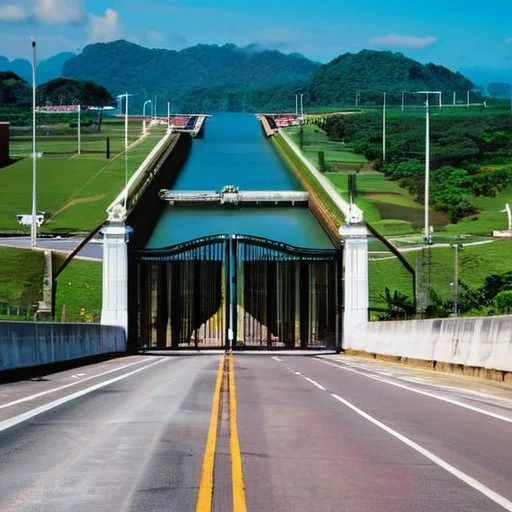
The Torrijos-Carter Treaties had a profound impact on the economies of both the United States and Panama. The transfer of control of the Panama Canal to Panama led to a significant increase in revenue for the Panamanian government, as the country gained control over tolls and tariffs.
The treaties also had a positive impact on the US economy, as they paved the way for increased trade and investment between the two countries. The agreements helped to strengthen bilateral relations and fostered a new era of cooperation and collaboration.
The Torrijos-Carter Treaties marked a significant shift in the geopolitical landscape of the Americas. The transfer of control of the Panama Canal to Panama signaled a new era of cooperation and diplomacy between the United States and Central American nations.
The treaties also had broader implications for international relations, as they demonstrated the possibility of peaceful resolution to long-standing conflicts over territory and resources. The agreements paved the way for increased collaboration and cooperation between nations, marking a significant departure from the Cold War era of competition and confrontation.