


The TransAlaska Pipeline System, completed in 1977, is a marvel of modern engineering that revolutionized the global energy landscape. Stretching 800 miles from the Prudhoe Bay oil fields to the Valdez Marine Terminal, this behemoth of a pipeline has become an iconic symbol of America's pursuit of energy independence.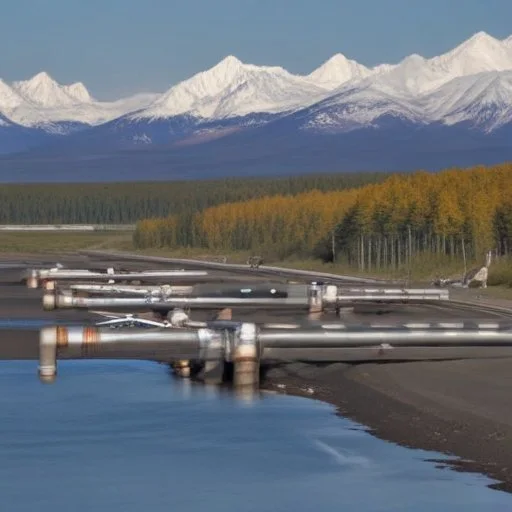
Construction of the pipeline was no easy task. Workers braved treacherous terrain, subzero temperatures, and harsh weather conditions to complete this massive project. The pipeline's route traversed three mountain ranges, crossed 34 major rivers, and spanned 24 major water bodies. It required the excavation of over 1.5 million cubic feet of earth, the placement of over 190,000 tons of steel pipe, and the construction of 12 pumping stations.
The TransAlaska Pipeline System was the brainchild of a few forward-thinking individuals, including Secretary of the Interior Stewart Udall, who first proposed the idea in the 1960s. The project was led by the Trans-Alaska Pipeline System (TAPS) consortium, comprising major oil companies such as BP, Exxon, and ConocoPhillips. The consortium worked in tandem with the U.S. military, the state of Alaska, and local indigenous communities to bring this vision to life.
The completion of the TransAlaska Pipeline System marked a significant shift in the global energy dynamics. The pipeline increased U.S. oil production, reduced reliance on foreign oil imports, and helped to stabilize the global oil market. Today, the pipeline remains a critical component of the U.S. energy infrastructure, transporting approximately 500,000 barrels of oil per day.
The TransAlaska Pipeline System has been marred by controversy, including environmental concerns, native land claims, and workers' rights issues. However, the project has also brought significant economic benefits to the state of Alaska and local communities, generating billions of dollars in revenue and creating thousands of jobs.
| 1968 | First oil discovery made at Prudhoe Bay |
| 1973 | Construction of the pipeline begins |
| 1977 | Pipeline is completed and first oil shipment reaches the Valdez Marine Terminal |
| 1980s | Pipeline reaches peak production capacity of 2 million barrels per day |
| 1990s | Pipeline undergoes major maintenance and upgrade projects |
| 2000s | Pipeline faces declining production and increasing environmental concerns |
| 2020s | Pipeline continues to operate, with ongoing efforts to improve safety and environmental performance |
As the global energy landscape continues to evolve, the TransAlaska Pipeline System remains a critical component of the U.S. energy infrastructure. While declining production and environmental concerns pose challenges, the pipeline's continued operation is crucial for meeting America's energy demands. As the industry looks to the future, innovative solutions and technologies will be needed to ensure the pipeline's continued relevance and sustainability.
The TransAlaska Pipeline System is a testament to human ingenuity and perseverance. This marvel of engineering serves as a reminder that even the most seemingly impossible tasks can be achieved through determination, hard work, and collaboration. As we look to the future, the pipeline's legacy inspires us to continue pushing the boundaries of what is possible, driving innovation, and striving for a better tomorrow.
The construction of the TransAlaska Pipeline System had a significant environmental impact on the pristine wilderness of Alaska. The pipeline's route spanned over 800 miles, crossing numerous rivers, lakes, and wetlands, which posed a risk to the habitats of indigenous species such as caribou, wolves, and bears. Although measures were taken to minimize the impact, including the construction of elevated pipeline sections and wildlife bridges, concerns about oil spills, habitat disruption, and climate change remained.
Studies have shown that the pipeline's construction led to the destruction of over 10,000 acres of wetlands, and the disturbance of habitats of endangered species. Moreover, the pipeline's operation has contributed to greenhouse gas emissions, further exacerbating climate change.
Despite these concerns, efforts have been made to mitigate the environmental impact of the pipeline. For instance, the pipeline's operators have implemented measures to reduce emissions, and have invested in environmental conservation projects.
Stewart Udall, the Secretary of the Interior during the 1960s, was a key figure behind the conception of the TransAlaska Pipeline System. A forward-thinking individual, Udall recognized the potential of Alaska's oil reserves to reduce the country's reliance on foreign oil imports.
Udall's vision was not limited to the pipeline's economic benefits. He was also deeply concerned about the environmental impact of the project and worked to ensure that measures were taken to minimize the damage to Alaska's pristine wilderness.
His leadership played a crucial role in bringing together the various stakeholders involved in the project, including oil companies, the U.S. military, and local indigenous communities.
The TransAlaska Pipeline System was a marvel of engineering and technological innovation. The pipeline's construction required the development of new technologies, including advanced welding techniques, pipeline insulation methods, and environmental monitoring systems.
The pipeline's operation also relied on cutting-edge technologies, such as computerized monitoring systems, and advanced safety features, including automated shut-off valves and leak detection systems.
The technological innovations developed during the construction of the pipeline have had a lasting impact on the energy industry, paving the way for the development of similar projects around the world.
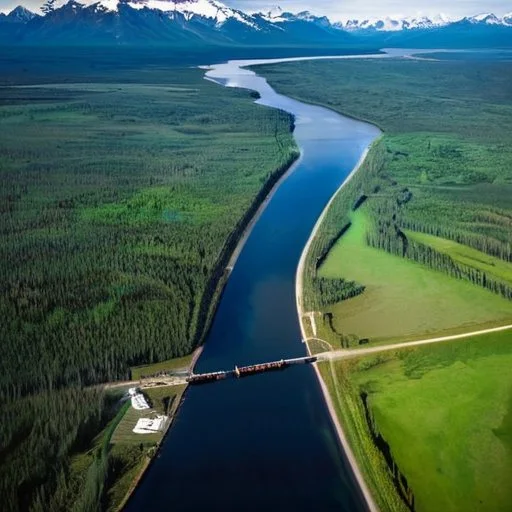
The TransAlaska Pipeline System has had a profound cultural impact on the indigenous communities of Alaska. The pipeline's construction led to the displacement of many indigenous people from their traditional lands, and the destruction of cultural heritage sites.
However, the project also brought economic benefits to the communities, including job opportunities and revenue from oil royalties.
Today, the pipeline remains a symbol of the complex relationship between indigenous communities and the energy industry, highlighting the need for greater cooperation and understanding.
Historians have often debated the significance of the TransAlaska Pipeline System in the context of American energy policy. Some have argued that the pipeline marked a turning point in the country's shift towards energy independence, while others have seen it as a symbol of the country's continued reliance on fossil fuels.
Regardless, the pipeline's construction remains a testament to the power of human ingenuity and perseverance in the face of adversity.
As historians continue to study the pipeline's legacy, new insights are emerging about the project's significance, highlighting the need for ongoing research and analysis.