


The Treaty of Aberconwy, signed in 1277, marks a pivotal moment in Welsh history, as Llywelyn ap Gruffudd, the last native Welsh prince, was forced to surrender to King Edward I of England, effectively ending the Welsh Wars.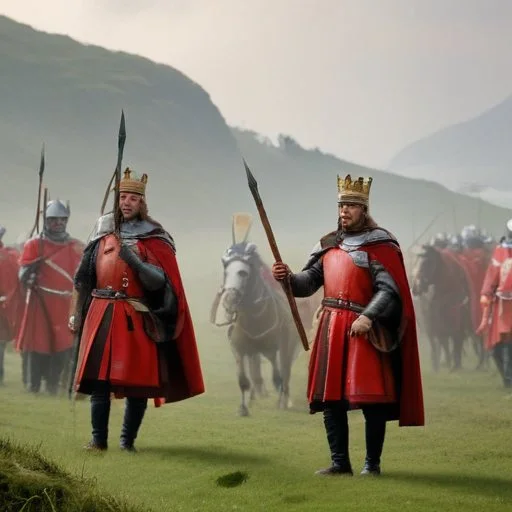
The treaty, negotiated at Aberconwy in-Conwy, North Wales, saw Llywelyn ap Gruffudd relinquish control over most of his territories, including the strategic Snowdonia region, to the English crown. This humiliating settlement not only curtailed Welsh independence but also stripped Llywelyn of his power and prestige.
The Welsh Wars, a series of conflicts between the Welsh principalities and the English monarchy, had been simmering for decades. Llywelyn ap Gruffudd, driven by a desire for Welsh independence, had been waging a guerrilla war against the English crown since the 1250s. However, King Edward I, fresh from his crusading adventures, was determined to crush Welsh resistance and assert English dominance over the region.
The Treaty of Aberconwy had far-reaching consequences for Wales, leading to centuries of English dominance and cultural suppression. The treaty also paved the way for the gradual erosion of Welsh autonomy, as the English crown consolidated its power over the region.
The Treaty of Aberconwy serves as a poignant reminder of the struggles and sacrifices made by the Welsh people in their quest for independence. Today, the treaty remains an important part of Welsh history, a testament to the enduring spirit of the Welsh nation.
"I will not be bound by the chains of English tyranny. I will fight for the freedom of Wales until my dying breath." - Llywelyn ap Gruffudd
The Treaty of Aberconwy has been immortalized in Welsh folklore, with Llywelyn ap Gruffudd emerging as a national hero. The treaty has also inspired numerous literary and artistic works, cementing its place in Welsh cultural heritage.
Historians have long debated the significance of the Treaty of Aberconwy, with some viewing it as a necessary evil to bring stability to the region, while others see it as a blatant attempt by the English monarchy to suppress Welsh independence.
Revisionist historians argue that Llywelyn ap Gruffudd's surrender was a strategic move to regroup and reassess, rather than a defeat, highlighting the prince's continued influence in the region even after the treaty.
Others contend that the treaty marked a turning point in the Welsh Wars, solidifying English dominance and paving the way for centuries of cultural suppression.

Goronwy ap Heilyn, a trusted advisor and loyal supporter of Llywelyn ap Gruffudd, played a crucial role in the Welsh Wars.
As a skilled military strategist, Goronwy ap Heilyn helped Llywelyn navigate the treacherous landscape of medieval politics, often serving as a liaison between the Welsh prince and other nobles.
Despite his crucial contributions, Goronwy ap Heilyn remains a relatively unknown figure in Welsh history, overshadowed by the more prominent figures of Llywelyn and King Edward I.
The original manuscript of the Treaty of Aberconwy, housed at the National Library of Wales, provides valuable insights into the diplomatic negotiations surrounding the treaty.
A close examination of the document reveals the careful language and strategic concessions made by both Llywelyn ap Gruffudd and King Edward I, highlighting the delicate balance of power between the two sides.
The treaty's ornate calligraphy and illuminated borders also testify to the importance placed on the document by its creators.
The Treaty of Aberconwy has had a profound impact on Welsh cultural identity, inspiring generations of artists, writers, and musicians.
In literature, the treaty has been immortalized in works such as The Mabinogion, a collection of ancient Welsh folk tales, which features Llywelyn ap Gruffudd as a heroic figure.
In music, the treaty has influenced the development of traditional Welsh folk songs, many of which lament the loss of independence and the struggles of the Welsh people.
The Treaty of Aberconwy was not solely a product of Welsh-English tensions, but rather part of a broader tapestry of medieval geopolitics.
The treaty was negotiated against the backdrop of the Crusades, which had drawn King Edward I away from Wales, and the rise of the powerful Capetian dynasty in France, which threatened English interests.
This complex web of alliances and rivalries contributed to the pressure on Llywelyn ap Gruffudd to surrender, ultimately shaping the course of Welsh history.