


In a world where the threat of nuclear war loomed large, sixty-two countries came together to sign the Treaty on the NonProliferation of Nuclear Weapons in Washington, D.C., London, and Moscow, marking a historic milestone in the pursuit of global peace and security. This landmark agreement aimed to prevent the proliferation of nuclear weapons, promote disarmament, and facilitate cooperation in the peaceful use of nuclear technology.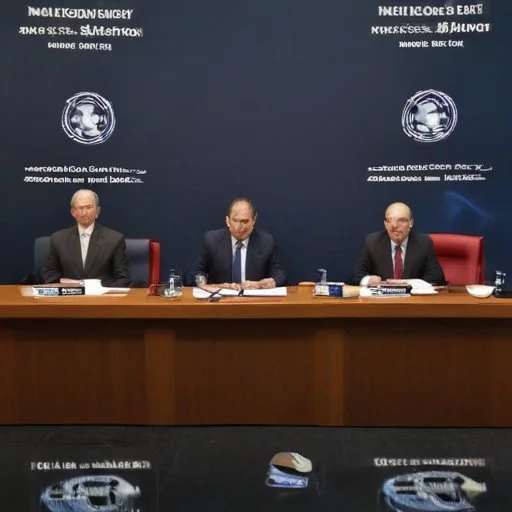
The Treaty's signing on July 1, 1968, marked a significant shift in international relations, as nations put aside their differences to address a common threat. This unprecedented display of cooperation was a testament to the power of diplomacy and the urgent need for collective action.
The Treaty's foundation was built on three interconnected pillars:
A number of dedicated individuals played crucial roles in the negotiation and signing of the Treaty:
The Treaty on the NonProliferation of Nuclear Weapons has had a profound impact on international relations and global security:
As we reflect on the significance of the Treaty on the NonProliferation of Nuclear Weapons, we are reminded of the importance of continued international cooperation and commitment to disarmament and nonproliferation efforts. In a world where nuclear threats still exist, the Treaty's principles remain as relevant today as they were in 1968.
As we move forward, let us draw inspiration from the courage and vision of those who pioneered this groundbreaking agreement, and strive to create a world where the threat of nuclear war is a distant memory.
The road to the Treaty on the NonProliferation of Nuclear Weapons was paved by a series of events that highlighted the devastating consequences of nuclear war. The 1962 Cuban Missile Crisis brought the world to the brink of nuclear catastrophe, prompting a renewed focus on disarmament and nonproliferation. In the following years, a series of international conferences and negotiations laid the groundwork for the Treaty, culminating in the signing ceremony on July 1, 1968.
The Treaty's significance was underscored by the participating nations' commitment to prevent the spread of nuclear weapons, reduce existing stockpiles, and promote peaceful use of nuclear technology. This landmark agreement not only marked a significant shift in international relations but also paved the way for future disarmament efforts.

U Thant: The Architect of Nuclear Disarmament
As the Secretary-General of the United Nations, U Thant played a crucial role in facilitating the negotiation and signing of the Treaty on the NonProliferation of Nuclear Weapons. A strong advocate for nuclear disarmament, Thant worked tirelessly to bridge the gap between nations, fostering an atmosphere of cooperation and trust that ultimately led to the Treaty's success.
Thant's unwavering commitment to disarmament earned him numerous accolades, including the 1965 Nobel Peace Prize. His leadership and vision continue to inspire efforts towards a nuclear-free world.
The geopolitical landscape of the 1960s was marked by Cold War tensions, with the United States and the Soviet Union locked in a nuclear arms race. The signing of the Treaty on the NonProliferation of Nuclear Weapons in 1968 marked a significant shift in this dynamic, as both superpowers put aside their differences to address a common threat.
This unprecedented display of cooperation was fueled by the growing awareness of the devastating consequences of nuclear war. As the world teetered on the brink of catastrophe, nations recognized the need for collective action to prevent the spread of nuclear weapons and promote disarmament.

The environmental implications of nuclear war were a significant concern for the signatories of the Treaty on the NonProliferation of Nuclear Weapons. The devastating effects of nuclear testing, such as radioactive fallout and environmental contamination, had become increasingly evident in the 1960s.
By promoting the peaceful use of nuclear technology, the Treaty aimed to reduce the risk of environmental disasters while fostering cooperation in the development of safe and sustainable energy sources.
The Treaty on the NonProliferation of Nuclear Weapons marked a significant shift in international relations, as nations moved away from the doctrines of mutual assured destruction and towards a more collaborative approach to security.
This sea change in political thinking was driven by the recognition that nuclear proliferation posed a threat not only to individual nations but also to global stability and security. The Treaty's success paved the way for future diplomatic efforts, including the Strategic Arms Limitation Talks (SALT) and the Intermediate-Range Nuclear Forces Treaty (INF).