


In a monumental decision, King George III of the Kingdom of Great Britain ratified the Treaty of Paris on April 9, 1784, officially ending the American Revolutionary War and recognizing the independence of the United States. This pivotal moment marked a triumphant victory for the young nation, shaped by the tireless efforts of American diplomats and statesmen.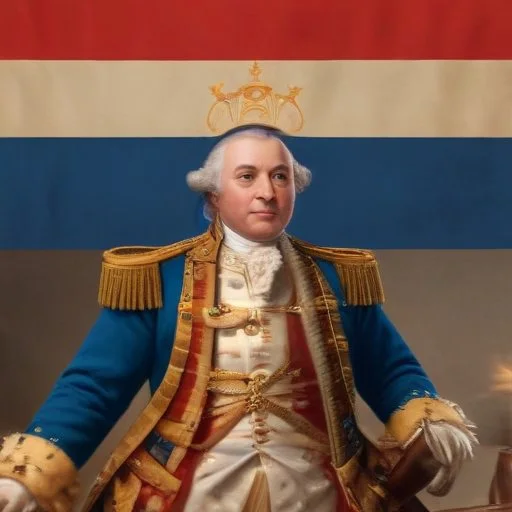
The American Revolutionary War, fought from 1775 to 1783, was a grueling struggle for independence against British rule. As the war dragged on, the Continental Congress sought to negotiate a peace treaty with Great Britain. In 1782, a delegation consisting of Benjamin Franklin, John Adams, and John Jay was sent to Paris to negotiate with British representatives.
The American delegation faced significant challenges in the negotiations. They had to navigate the complex web of European politics, balance the competing interests of their allies, and persuade the British to recognize American independence. Despite these obstacles, the delegation persevered, driven by their conviction in the American cause.
The Treaty of Paris was the culmination of efforts by several key figures, including:
The Treaty of Paris consisted of ten articles, which addressed various aspects of the peace agreement. The treaty:
The Treaty of Paris had far-reaching consequences, including:
The Treaty of Paris had a profound impact on American culture and society, including:
The Treaty of Paris stands as a testament to the courage, perseverance, and diplomacy of the American people. Its significance extends beyond the confines of history, influencing generations to come and serving as a beacon of hope for those seeking freedom and self-determination.
As Benjamin Franklin so eloquently put it, "There never was a good war or a bad peace."
Here is a brief visual timeline of the key events leading up to the Treaty of Paris:
| 1775 | American Revolutionary War begins |
| 1782 | American delegation arrives in Paris for negotiations |
| January 14, 1784 | Treaty of Paris ratified by US Congress |
| April 9, 1784 | King George III ratifies the Treaty of Paris |
| May 12, 1784 | Copies of ratified documents exchanged |
This historic treaty serves as a powerful reminder of the power of diplomacy, perseverance, and the unwavering commitment to the pursuit of freedom and independence.
The Treaty of Paris was not only a significant milestone in American history but also a culmination of years of secret diplomacy and backchannel negotiations. One of the most intriguing aspects of the Treaty's negotiations was the role of French involvement. Although France was an ally of the American colonies, its motives were not entirely altruistic. The French government saw the American Revolution as an opportunity to weaken its long-standing rival, Great Britain.
Benjamin Franklin, with his charisma and diplomatic prowess, played a crucial role in securing French support. France provided significant financial and military aid to the American colonies, which proved instrumental in their ultimate victory. In return, the French government expected the Americans to recognize French territorial claims in North America. This complex web of alliances and rivalries adds a rich layer of complexity to the Treaty of Paris narrative.

One of the often-overlooked figures of the Treaty of Paris negotiations is David Hartley, the British negotiator. A member of Parliament and a close friend of the British Prime Minister, Hartley was chosen for his moderate stance on American independence. Despite being a staunch loyalist, Hartley recognized the futility of continued British resistance and worked diligently to secure a peace agreement.
Hartley's contributions to the Treaty of Paris are often overshadowed by those of his American counterparts, but his role in facilitating the negotiations cannot be overstated. His ability to navigate the complexities of British politics and his willingness to compromise helped pave the way for the Treaty's ratification.
The Treaty of Paris had a profound impact on the cultural landscape of the United States. The recognition of American independence sparked a wave of nationalistic fervor, with many Americans seeing themselves as part of a new and distinct nation. This nascent nationalism found expression in various forms of art, literature, and music.
The Treaty also inspired a sense of optimism and possibility, as Americans began to envision a future free from British rule. This optimism is reflected in the architecture, art, and literature of the period, which often featured themes of freedom, liberty, and self-determination.

The Treaty of Paris marked a significant turning point in the American economy. With the recognition of independence, the United States was able to establish its own trade policies and negotiate with European nations on an equal footing.
The Treaty also led to a surge in westward expansion, as American settlers began to move into the newly acquired territories. This expansion had a profound impact on the American economy, as new markets and resources became available.
The Treaty of Paris was not an isolated event, but rather part of a broader geopolitical landscape. The American Revolution was just one of several conflicts that were reshaping the global balance of power in the late 18th century.
The Treaty's signing marked a significant shift in the European balance of power, as the British Empire's authority was challenged by the emergence of a new nation. The Treaty also had far-reaching implications for the French, who saw their own power and influence waxing in the wake of British defeat.