


The Treaty on the Prohibition of Nuclear Weapons, a landmark achievement in global diplomacy, was adopted by the United Nations General Assembly in 2017, with an overwhelming 122 countries voting in favor of the treaty. This monumental agreement marks the first-ever international ban on nuclear weapons, paving the way for a safer and more secure world.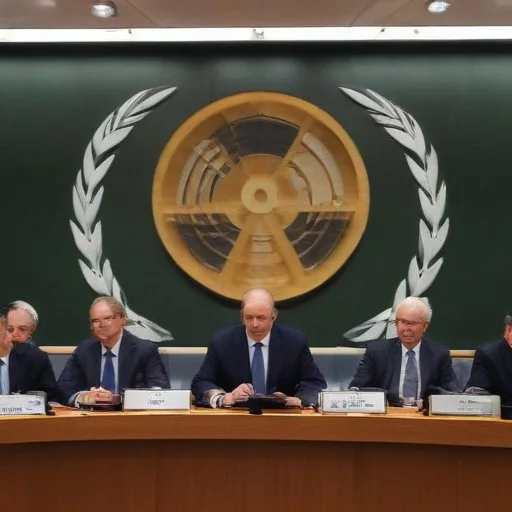
The journey towards a nuclear-free world dates back to the early 1960s, when the dangers of nuclear weapons became increasingly apparent. The devastating effects of nuclear testing, the risks of nuclear proliferation, and the catastrophic consequences of nuclear war prompted the international community to take action. Over the years, numerous disarmament initiatives and treaties were negotiated, but none were as comprehensive as the Treaty on the Prohibition of Nuclear Weapons.
Spearheading the campaign for a nuclear-free world were dedicated individuals and organizations, including:
The road to the treaty's adoption was marked by several key milestones:
The treaty's adoption has far-reaching implications:
"The Treaty on the Prohibition of Nuclear Weapons is a historic milestone, marking a significant step forward in the quest for a nuclear-free world." - Setsuko Thurlow
"This treaty is a beacon of hope in a world still burdened by the threat of nuclear weapons." - ICRC President Peter Maurer
The International Campaign to Abolish Nuclear Weapons (ICAN) was awarded the Nobel Peace Prize in 2017 for its instrumental role in promoting and achieving the Treaty on the Prohibition of Nuclear Weapons.
This historic treaty marks a significant step towards a safer, more secure world, where the devastating effects of nuclear weapons are relegated to the past. As we move forward, it is essential to continue promoting disarmament, reducing nuclear risks, and ensuring that the world never again faces the threat of nuclear war.
| 1960s | The dangers of nuclear weapons become apparent |
| 2010 | The Non-Aligned Movement calls for a comprehensive nuclear ban treaty |
| 2013 | The first-ever international conference on the humanitarian impact of nuclear weapons takes place |
| 2015 | The United Nations General Assembly establishes a working group to negotiate a nuclear ban treaty |
| 2017 | The Treaty on the Prohibition of Nuclear Weapons is adopted |
Q: What is the Treaty on the Prohibition of Nuclear Weapons? The treaty is a comprehensive international agreement that bans nuclear weapons, prohibiting their development, production, possession, stockpiling, use, or threat of use.
Q: How many countries voted in favor of the treaty? 122 countries voted in favor of the treaty's adoption.
Q: What is the significance of the treaty? The treaty marks a historic milestone in the journey towards a nuclear-free world, establishing a powerful new norm against nuclear weapons and paving the way for further disarmament efforts.
Setsuko Thurlow's story is a testament to the devastating effects of nuclear war. Born in Hiroshima, Japan, she survived the atomic bombing of August 6, 1945. Her harrowing experience has driven her to become a vocal advocate for nuclear disarmament.
Thurlow's activism began in the 1960s, when she joined the Canadian Voice of Women for Peace. She later became a leading figure in the International Campaign to Abolish Nuclear Weapons (ICAN). Her tireless efforts have taken her to numerous international conferences, where she has shared her story and inspired others to join the fight against nuclear weapons.
Awarded the Order of Canada in 2007, Thurlow's dedication to nuclear disarmament has earned her international recognition. Her courageous voice has shed light on the humanitarian impact of nuclear weapons, paving the way for the Treaty on the Prohibition of Nuclear Weapons.

In 2015, the International Committee of the Red Cross (ICRC) issued a Humanitarian Pledge, calling for the prohibition of nuclear weapons. This landmark document was a turning point in the disarmament movement, as it highlighted the catastrophic consequences of nuclear war.
The ICRC's pledge was backed by 127 countries, signaling a unified commitment to preventing further nuclear weapon development. This pledge laid the groundwork for the Treaty on the Prohibition of Nuclear Weapons, cementing the ICRC's role as a driving force behind the disarmament movement.
The Treaty on the Prohibition of Nuclear Weapons has inspired a new wave of activists, driven by a shared desire to rid the world of nuclear weapons. From student-led protests to grassroots organizations, the treaty has galvanized a diverse range of individuals and groups.
This movement has fostered a sense of global solidarity, transcending borders and generations. The treaty's adoption has awakened a sense of responsibility among world leaders, creating an unprecedented opportunity for collective action.

The Treaty on the Prohibition of Nuclear Weapons has significant economic implications. By diverting resources from nuclear weapons development, countries can redirect funds towards sustainable development and humanitarian initiatives.
A nuclear-free world would also alleviate the substantial costs associated with maintaining and modernizing nuclear arsenals. This reallocation of resources could spur economic growth, create new opportunities, and improve the overall well-being of nations.
The Treaty on the Prohibition of Nuclear Weapons has sparked a global conversation about the moral implications of nuclear weapons. By prohibiting these weapons, the treaty has affirmed the inherent value of human life and dignity.
The treaty's adoption has cemented the notion that nuclear weapons are incompatible with human values, solidifying a new moral consensus that rejects the possession and use of these weapons.