


The La Mon restaurant bombing, carried out by the Provisional IRA on February 17, 1978, is remembered as one of the most brutal attacks of the Northern Irish conflict, claiming the lives of 12 innocent people and leaving 30 others with severe injuries. This senseless act of violence perpetrated against Protestant civilians sent shockwaves throughout Northern Ireland, exacerbating the already-tense atmosphere of The Troubles.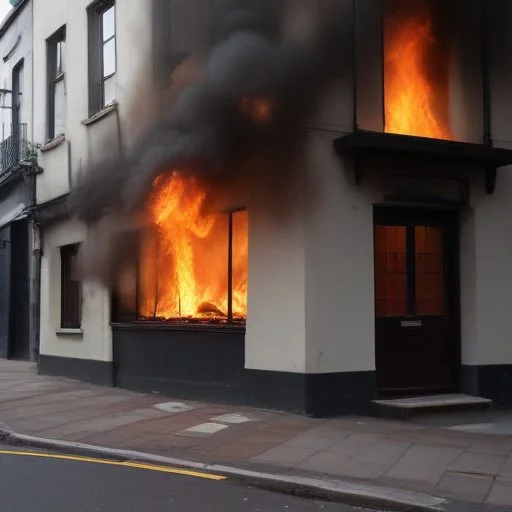
In the late 1970s, Northern Ireland was embroiled in a sectarian conflict that would eventually claim thousands of lives. The Troubles, as this period came to be known, was marked by violence, bombings, and assassinations perpetrated by both Protestant loyalist and Catholic republican groups. Amidst this turmoil, the Provisional IRA, a Catholic republican organization, sought to end British rule in Northern Ireland and unify the island under a single Irish government.
On February 17, 1978, a chilly winter evening, the La Mon restaurant, located near Belfast, was bustling with patrons. The popular gathering spot, known for its cozy atmosphere and delicious cuisine, was a favorite among Protestants. Unbeknownst to the diners, a Provisional IRA incendiary device had been planted in the restaurant's hallway. At approximately 8:40 pm, the bomb detonated, unleashing a blaze that quickly engulfed the dining area, trapping patrons inside.
The La Mon bombing, as it came to be known, sparked widespread outrage and condemnation from across the political spectrum. The attack was widely denounced as a heinous act of terrorism, and the Provisional IRA was rebuked for its role in the atrocity. The British government responded by launching a comprehensive investigation, which ultimately led to the conviction of several Provisional IRA members involved in the bombing.
The La Mon bombing had far-reaching consequences, exacerbating sectarian tensions and galvanizing public opinion against the Provisional IRA. The attack led to increased security measures and a renewed commitment to finding a peaceful resolution to The Troubles.
The La Mon bombing had a profound impact on Northern Irish society, serving as a grim reminder of the devastating consequences of sectarian violence. The attack inspired increased dialogue and cooperation between Protestant and Catholic communities, as well as a renewed focus on finding a peaceful resolution to The Troubles.
Survivors of the La Mon bombing, such as Emma Brock, whose father was killed in the attack, have shared harrowing accounts of the tragedy. Their stories serve as a poignant reminder of the human cost of sectarian violence and the importance of promoting peace and reconciliation.
In the aftermath of the bombing, a memorial was erected outside the La Mon restaurant, bearing the names of the 12 victims. The site has since become a poignant reminder of the senseless tragedy that occurred on that fateful winter evening.
The La Mon restaurant bombing serves as a chilling reminder of the devastating consequences of sectarian violence. As we reflect on this pivotal moment in Northern Irish history, we are reminded of the importance of promoting peace, understanding, and reconciliation in the face of adversity.
The La Mon restaurant bombing was not an isolated incident, but rather part of a larger campaign of violence perpetrated by the Provisional IRA during the late 1970s. In the months leading up to the attack, the organization had carried out a series of bombings and shootings targeting British military personnel and Protestant civilians. The La Mon bombing was particularly devastating, however, due to its deliberate targeting of innocent civilians and its brutal execution.
In the aftermath of the bombing, the British government responded with a series of security measures aimed at cracking down on IRA activity. These measures included the deployment of additional troops in Northern Ireland, the imposition of curfews in certain areas, and the introduction of new legislation allowing for the detention of suspected IRA members without trial.

Seamus Twomey, the senior Provisional IRA commander believed to have orchestrated the La Mon bombing, was a seasoned republican militant who had been involved in the movement since the early 1960s. Born in Belfast in 1929, Twomey had served in the Irish Army before joining the IRA, where he quickly rose through the ranks due to his organizational skills and strategic thinking.
Twomey's involvement in the La Mon bombing was likely driven by his deep-seated opposition to British rule in Northern Ireland and his belief in the need for armed resistance to achieve Irish unity. Despite his role in the bombing, Twomey remained a respected figure within the republican movement, and his legacy continues to be debated among historians and scholars today.
The La Mon restaurant bombing had a profound impact on Northern Irish culture, serving as a stark reminder of the devastating consequences of sectarian violence. The attack led to a renewed focus on community relations and cross-cultural dialogue, as Protestant and Catholic communities came together to condemn the bombing and work towards a more peaceful future.
In the years following the bombing, a number of cultural initiatives were launched aimed at promoting reconciliation and understanding between Northern Ireland's divided communities. These initiatives included cross-community arts programs, cultural festivals, and educational exchanges, all of which helped to foster a more positive and inclusive sense of Northern Irish identity.
The La Mon restaurant bombing occurred at a critical moment in the history of the Northern Ireland conflict, coinciding with a period of heightened political tension and violence. The attack was widely condemned by politicians across the political spectrum, with British Prime Minister James Callaghan describing it as a "cowardly and brutal act of terrorism."
In the aftermath of the bombing, the British government faced intense pressure to take decisive action against the IRA and its supporters. This led to a series of political and military measures aimed at containing the IRA's activities, including the introduction of new anti-terrorism legislation and the deployment of additional troops in Northern Ireland.
The La Mon restaurant bombing must be understood within the broader geopolitical context of the late 1970s, a period marked by rising international tensions and global instability. The attack occurred just months after the Iranian Revolution, which had brought a radical Islamist government to power in Tehran, and amid growing concerns about Soviet expansionism in Eastern Europe.
Against this backdrop, the La Mon bombing was seen as part of a broader pattern of terrorist activity and political violence, and it contributed to a growing sense of unease and insecurity among Western governments. The attack also led to increased diplomatic pressure on the Irish government to take action against the IRA and its supporters, and it contributed to a more hardline British approach to the Northern Ireland conflict.