


The devastating truck bombing of the United Nations headquarters in Baghdad, Iraq, on August 19, 2003, will forever be etched in the memories of those who lost loved ones and the global community at large. This senseless act of violence claimed the life of Srgio Vieira de Mello, the UN's top envoy, along with 21 other employees, leaving an indelible mark on the world of humanitarian work.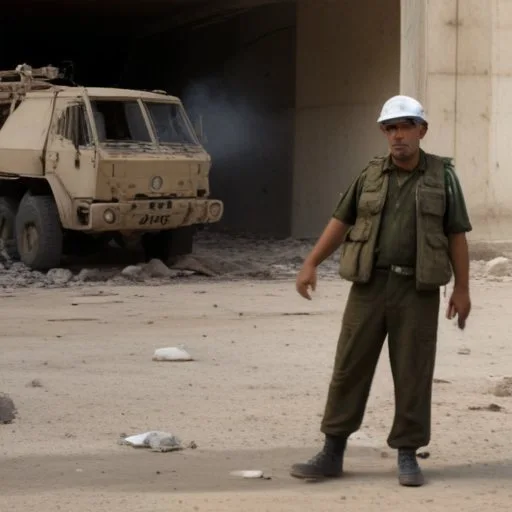
Srgio Vieira de Mello, a seasoned Brazilian diplomat, was renowned for his unwavering commitment to promoting peace and reconciliation in some of the world's most troubled regions. Throughout his illustrious career, he played a pivotal role in shaping the UN's humanitarian efforts, earning the respect and admiration of world leaders and ordinary citizens alike.
News of the bombing sent shockwaves around the world, with leaders and ordinary citizens alike expressing their condolences and outrage. The international community came together to pay tribute to Srgio Vieira de Mello, hailing him as a champion of humanity and a beacon of hope in the darkest of times.
In the aftermath of the bombing, the UN accelerated its efforts to promote peace and stability in Iraq and beyond. The organization honored Srgio Vieira de Mello's memory by establishing the Srgio Vieira de Mello Award, recognizing outstanding contributions to the promotion of human rights and dignity.
The 2003 UN headquarters bombing serves as a poignant reminder of the risks faced by humanitarian workers in conflict zones. It is a clarion call to action, urging us to redouble our efforts in promoting peace, understanding, and respect for human life.
As we reflect on this tragic event, we honor the memories of Srgio Vieira de Mello and the 21 other employees who lost their lives in the line of duty. May their sacrifices inspire us to strive for a world where humanitarian workers can operate safely and freely, bringing hope and relief to those who need it most.
Born on March 15, 1948, in Rio de Janeiro, Brazil, Srgio Vieira de Mello was raised in a family that instilled in him a strong sense of social responsibility.
His parents, both prominent figures in Brazilian society, encouraged his interest in international relations and human rights from an early age.
Vieira de Mello's academic pursuits took him to the University of Brazil, where he earned a degree in philosophy, and later to the University of Paris, where he earned a degree in international relations.

In the aftermath of the US-led invasion of Iraq in 2003, the country was plagued by political instability and social unrest.
The Coalition Provisional Authority, led by Paul Bremer, struggled to establish a stable government, while insurgent groups and terrorist organizations exploited the power vacuum.
Against this backdrop, the United Nations played a crucial role in providing humanitarian aid and promoting national reconciliation.
The bombing of the UN headquarters in Baghdad sent shockwaves through the global community, highlighting the vulnerability of humanitarian workers in conflict zones.
In the aftermath of the tragedy, the international community came together to mourn the loss of Srgio Vieira de Mello and the other victims.
The event also sparked a renewed focus on the importance of cultural sensitivity and understanding in humanitarian work.

The bombing of the UN headquarters in Baghdad had significant political implications, leading to a re-evaluation of the organization's role in Iraq.
The attack prompted a surge in security measures for UN personnel and facilities, and led to a temporary withdrawal of international staff from the country.
The incident also strained relations between the UN and the US-led Coalition Provisional Authority, which was criticized for its handling of the post-war reconstruction effort.
The bombing of the UN headquarters in Baghdad resulted in significant economic costs, both in terms of human life and material damage.
The blast destroyed a substantial portion of the UN compound, causing an estimated $10 million in damages.
The attack also disrupted humanitarian aid efforts, leading to a decline in international investment and economic activity in the region.