


Saint Petersburg, the Venice of the North, is renowned for its majestic canals, ornate palaces, and rich cultural heritage. This iconic city, founded by Tsar Peter the Great in 1703, was a bold experiment in modernization, a testament to the visionary leader's innovative spirit and unwavering ambition.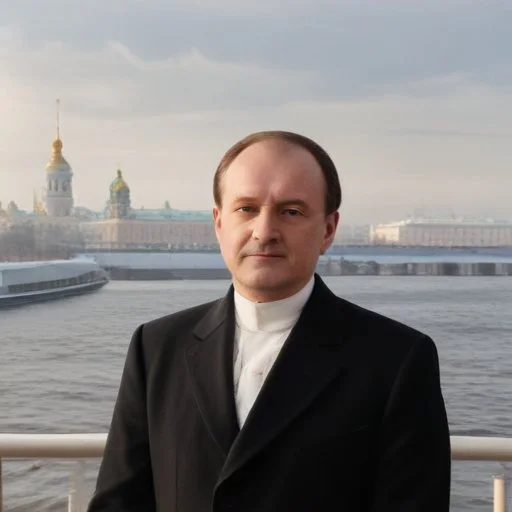
In the early 18th century, Russia lagged behind its European counterparts in terms of technology, architecture, and cultural sophistication. Determined to bridge this gap, Tsar Peter the Great set out to create a city that would rival the greatest metropolises of Europe. On a misty morning in May 1703, Peter himself laid the cornerstone of the Peter and Paul Fortress, marking the birth of Saint Petersburg.
The Neva River delta, a marshy and inhospitable region, presented numerous challenges to the construction of the city. Undeterred, Peter commissioned the finest architects, engineers, and artisans from across Europe to transform this unforgiving landscape into a masterpiece of urban planning. Canals, bridges, and grand boulevards soon punctuated the cityscape, as Saint Petersburg began to take shape.
Saint Petersburg was designed to be a cultural and intellectual hub, attracting the finest minds from across Europe. The city's institutions, such as the Imperial Academy of Arts and the Russian Academy of Sciences, fostered a spirit of innovation and creativity, drawing luminaries like Mikhail Lomonosov and Dmitri Mendeleev to its shores.
Saint Petersburg's grandeur was not only a testament to Peter's vision but also a symbol of Russian power and prestige. The Winter Palace, the Hermitage Museum, and the Peterhof Palace complex, among other architectural gems, asserted Russia's status as a major player on the global stage.
Tsar Peter the Great's legacy extends far beyond the physical boundaries of Saint Petersburg. His unwavering commitment to modernization and cultural advancement paved the way for Russia's emergence as a global superpower. Today, Saint Petersburg stands as a beacon of progress, a tribute to the innovative spirit of its founder.
"I want to found a city that will be the wonder of the world."
— Tsar Peter the Great
This article provides a nuanced exploration of the founding of Saint Petersburg, delving into the historical context, cultural significance, and lasting impact of Tsar Peter the Great's visionary project.
Tsar Peter the Great's vision for Saint Petersburg was shaped by his travels to Europe, where he was fascinated by the grandeur of cities like Amsterdam and Paris. This experience sparked his desire to create a city that would surpass its European counterparts in terms of beauty, innovation, and culture.
Despite his autocratic rule, Peter was a charismatic leader who inspired loyalty and admiration from his people. His leadership style was marked by a unique blend of wit, intelligence, and adaptability, which allowed him to navigate complex political situations with ease.
Peter's personal life was also marked by a series of tumultuous relationships, including his marriage to Catherine I, who would later become his co-ruler. Despite these challenges, Peter remained committed to his vision for Saint Petersburg, pouring his heart and soul into the city's development.

Saint Petersburg's cultural impact extended far beyond Russia's borders, as it became a hub for international artistic and intellectual exchange. The city's institutions, such as the Imperial Academy of Arts, attracted talent from across Europe, fostering a spirit of collaboration and innovation that would shape the cultural landscape of the continent.
The city's stunning architecture, which blended Russian and European styles, also had a profound influence on urban planning and design. From the grand boulevards to the majestic palaces, Saint Petersburg's urban landscape redefined the concept of city living, inspiring generations of architects and urban planners.
The Geopolitical Context of Saint Petersburg's Founding
In the early 18th century, Russia was engaged in a series of conflicts with its neighbors, including Sweden and the Ottoman Empire. Tsar Peter the Great's decision to found Saint Petersburg was, in part, a strategic response to these geopolitical tensions, as he sought to create a stronghold that would secure Russia's access to the Baltic Sea and provide a buffer against Swedish aggression.
The city's location on the Neva River delta also made it an important trade hub, connecting Russia to the Baltic region and Western Europe. This strategic location allowed Saint Petersburg to become a key player in international trade and diplomacy, further solidifying Russia's position on the global stage.

Tsar Peter the Great's decision to found Saint Petersburg was also driven by a desire to consolidate power and centralize authority. By creating a new capital city, Peter aimed to shift the balance of power away from Moscow, which was dominated by the Orthodox Church and the nobility.
The city's construction was, therefore, a highly politicized process, with Peter exercising tight control over every aspect of the project. This approach allowed him to impose his vision on the city, creating a space that reflected his values and ideals.
Saint Petersburg's economic impact was significant, as the city became a major hub for trade and commerce. The city's strategic location on the Neva River delta made it an important center for the timber and shipbuilding industries, while its connections to Western Europe facilitated the exchange of goods and ideas.
The city's growth also led to the development of new industries, including textiles, metallurgy, and ceramics. As a result, Saint Petersburg became a key driver of Russia's economic growth, playing a significant role in the country's emergence as a major industrial power.