


The 1997 military memorandum had far-reaching consequences for Turkish politics:
The following individuals played critical roles in the 1997 crisis:
The 1997 crisis reflected deepening divisions within Turkish society, as secular and Islamist factions vied for influence. The event marked a turning point in Turkey's struggle to balance its secular and religious identities.
The military's intervention sparked controversy, with some viewing it as a necessary step to protect secularism, while others saw it as an undemocratic coup.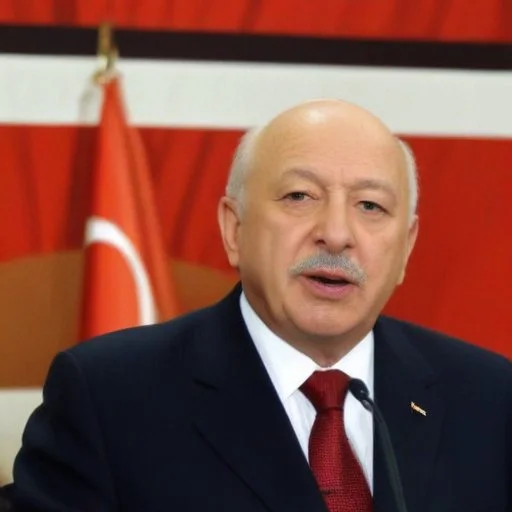
The 1997 crisis paved the way for the rise of the Justice and Development Party (AKP), led by Recep Tayyip Erdogan, which would go on to dominate Turkish politics for over a decade.
By understanding the complexities and nuances of the 1997 Turkish military memorandum, we can gain insight into the intricate dynamics of Turkish politics and the ongoing struggle to balance secularism and Islamist ideology.Necmettin Erbakan, the leader of the Islamist-oriented Welfare Party, was a polarizing figure in Turkish politics. Born in 1929, Erbakan was a charismatic leader who rose to prominence in the 1990s, advocating for a more Islamist-oriented Turkey. His party's popularity was fueled by dissatisfaction with the country's Western-oriented secularism, and Erbakan's own Islamist leanings and alleged ties to radical groups raised concerns among the military and secular elites.
Erbakan's leadership style was marked by a strong sense of conviction and a willingness to challenge the status quo. His refusal to comply with the military's demands in 1997 ultimately led to his downfall, but his legacy continued to shape Turkish politics in the years that followed.
The 1997 military memorandum highlighted the significant role the Turkish military plays in shaping the country's political landscape. The military has traditionally seen itself as the guardian of secularism, and has intervened in politics on several occasions to protect this principle.
The military's influence in Turkish politics is enshrined in the country's constitution, which grants the military the power to intervene in politics if it deems necessary. This has led to a complex and often tense relationship between the military and civilian governments, with the military often acting as a check on Islamic-oriented parties.
The 1997 crisis reflected deep-seated divisions within Turkish society, as secular and Islamist factions vied for influence. The Welfare Party's rise to power had been fueled by growing dissatisfaction with the country's Western-oriented secularism, particularly among rural and working-class Turks.
The crisis also highlighted the growing cultural and social differences between urban and rural Turkey. Urban centers, which were traditionally seen as bastions of secularism, were pitted against rural areas, where Islamist sentiment was stronger. This urban-rural divide would continue to shape Turkish politics in the years that followed.
The 1997 Turkish military memorandum occurred against a backdrop of political and economic upheaval in the Middle East. The Gulf War had just ended, and the region was still reeling from the aftermath. Turkey, which had long been seen as a bulwark against Islamic extremism, was suddenly facing its own Islamist challenge.
The crisis also highlighted Turkey's unique position as a bridge between Europe and the Middle East. The country's secular elite was torn between its desire to join the European Union and its need to engage with its Islamic neighbors. This delicate balancing act would continue to shape Turkish foreign policy in the years that followed.
The 1997 crisis was intimately tied to the legacy of Mustafa Kemal Atatürk, the founder of modern Turkey. Atatürk had imposed a strict brand of secularism on the country, which had been maintained by successive governments. The Welfare Party's rise to power was seen as a challenge to this legacy, and the military's intervention was seen as a necessary step to protect Atatürk's vision for Turkey.
The crisis also highlighted the ongoing struggle to define Turkey's identity. Was it a secular, Western-oriented country, or an Islamist, Middle Eastern nation? This question had been at the heart of Turkish politics since Atatürk's time, and the 1997 crisis was just the latest manifestation of this ongoing debate.