


The Varlk Vergisi, a capital tax passed by the Turkish parliament in 1942, is infamous for its brazen discriminatory nature, targeting non-Muslim citizens with the aim of financial crippling and eradicating their economic prominence. This draconian law, masquerading as a means to raise revenue for war efforts, would go on to reshape the very fabric of Turkish society and economy.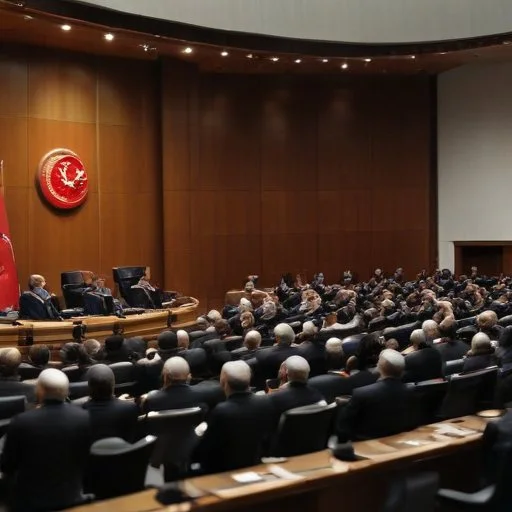
In the early 1940s, Turkey was grappling with economic instability, exacerbated by the outbreak of World War II. Amidst this turmoil, the ruling party sought to consolidate power and "Turkify" the economy, imposing draconian measures to suppress minority groups. The Varlk Vergisi was the culmination of this effort, a deliberate attempt to wrest control from non-Muslim entrepreneurs and businessmen who had dominated Turkey's commercial landscape.
November 1942: The Varlk Vergisi is passed by the Turkish parliament, with the law coming into effect on November 11.
1943: Non-Muslim citizens are forced to surrender their assets, leading to widespread economic devastation and displacement.
1944: International pressure mounts on the Turkish government, with the United States and Britain condemning the Varlk Vergisi as discriminatory.
The Varlk Vergisi led to the financial ruin of thousands of non-Muslim businesses, forcing many to abandon their livelihoods and flee the country. This exodus of talent and expertise significantly impacted Turkey's economic growth, perpetuating a sense of instability and mistrust among minority communities. The law also exacerbated existing social tensions, further polarizing Turkish society along religious lines.
The Varlk Vergisi was a stark reminder of the precarious position of non-Muslim minorities in Turkey, undermining their sense of security and belonging. The law had a profound impact on the cultural landscape, as many minority-owned businesses, including restaurants, cafes, and shops, were forced to close, erasing a vital part of Turkey's cultural heritage.
The Varlk Vergisi was met with widespread international condemnation, with many denouncing the law as a blatant example of religious discrimination. The Turkish government's actions sparked outrage among human rights organizations and foreign governments, damaging Turkey's reputation on the global stage.
"The Varlk Vergisi is a shameful chapter in Turkish history, a stark reminder of the dangers of discrimination and xenophobia." Mehmet Ali Birand, Turkish journalist and historian
The Varlk Vergisi served as a precursor to subsequent discriminatory policies in Turkey, perpetuating a cycle of mistrust and marginalization among minority groups. The law's legacy continues to influence contemporary debates on religious freedom and economic equality in Turkey.
The Varlk Vergisi remains a dark stain on Turkey's past, a stark reminder of the dangers of discrimination and xenophobia. This infamous tax law serves as a cautionary tale, highlighting the importance of protecting minority rights and promoting economic inclusivity in the face of uncertainty and strife.
In honor of the rich cultural heritage of Turkey, I'd like to share a recipe for traditional Turkish Delight, a sweet treat that transcends borders and brings people together.
This sweet treat is a testament to the resilience and beauty of Turkish culture, a culture that has endured despite the challenges of the past. As we reflect on the Varlk Vergisi, let us also celebrate the rich tapestry of Turkish heritage, acknowledging the importance of diversity and inclusivity in shaping our collective future.
The Varlk Vergisi had a profound impact on Turkish culture, leading to a significant decline in the number of non-Muslim owned businesses, restaurants, and cafes. This, in turn, resulted in the loss of cultural diversity and the erasure of minority cultural heritage.
Furthermore, the law led to the devastation of entire communities, as non-Muslim minorities were forced to flee the country, leaving behind their homes, businesses, and livelihoods. This exodus led to a significant cultural and social shift in Turkey, with far-reaching consequences that are still felt today.
In addition, the Varlk Vergisi also had an impact on Turkey's culinary scene, as many traditional non-Muslim owned restaurants and cafes were forced to close. This resulted in the loss of traditional recipes and cooking techniques, which were often passed down through generations.

Şükrü Saraçoğlu, the Turkish Finance Minister, was a key figure in the implementation of the Varlk Vergisi. A staunch nationalist, Saraçoğlu believed in the need to "Turkify" the economy and saw the law as a means to achieve this goal.
Saraçoğlu's role in the Varlk Vergisi has been widely criticized, with many seeing him as a willing participant in the persecution of non-Muslim minorities. Despite this, Saraçoğlu remained a prominent figure in Turkish politics, serving in various government roles until his death in 1953.
The archives of the Turkish government contain a wealth of documents related to the Varlk Vergisi, including draft legislation, parliamentary debates, and correspondence between government officials.
One particularly interesting document is a memo from the Turkish Prime Minister's office, outlining the government's stance on the law. The memo, dated November 10, 1942, states that the Varlk Vergisi is necessary to "protect the Turkish economy from foreign influence" and to "ensure the dominance of Turkish capital."

The economic impact of the Varlk Vergisi was devastating, with thousands of non-Muslim businesses forced to close or sell their assets at heavily discounted prices. This led to a significant decline in Turkey's GDP, as well as a decline in tax revenues.
In addition, the law also led to a significant brain drain, as many skilled non-Muslim businessmen and entrepreneurs left the country, taking their expertise and capital with them. This had long-term consequences for Turkey's economic development, as the country struggled to recover from the loss of talent and expertise.
The Varlk Vergisi was rooted in a nationalist and xenophobic ideology, which saw non-Muslim minorities as a threat to Turkish identity and culture. This ideology was promoted by the ruling party, which sought to create a homogeneous society through the suppression of minority rights.
The law was also justified on the basis of a simplistic and misleading narrative, which portrayed non-Muslim minorities as wealthy and privileged, while Turkish Muslims were portrayed as poor and oppressed. This narrative was used to justify the persecution of non-Muslim minorities and to whip up popular support for the law.