


On a sunny day in June 1945, the world witnessed a historic moment, as 50 Allied nations gathered in San Francisco, California, to sign the United Nations Charter, marking a significant step towards global unity and collective security. This monumental event paved the way for a new era of peace and cooperation, aiming to prevent future wars and promote human wellbeing worldwide.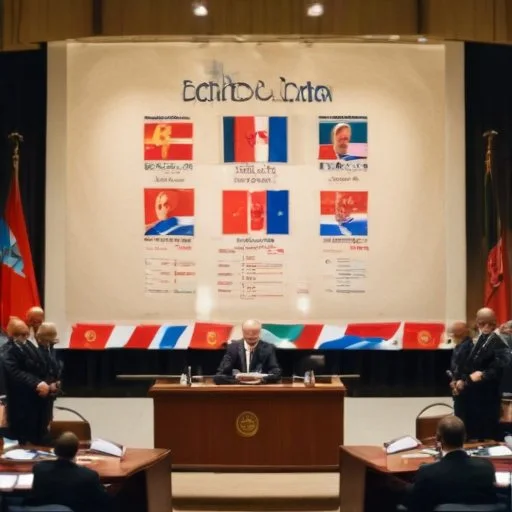
In the aftermath of World War II, the world was in shambles, with millions of lives lost, economies ruined, and societies torn apart. The need for a united front against aggression and a collective effort to maintain peace became evident. The United Nations Charter signing was a beacon of hope, a symbol of cooperation among nations, and a commitment to work together to prevent future conflicts.
The UN Charter, drafted by the conference delegates, outlined the purposes, principles, and structure of the United Nations. The document consisted of a preamble and 19 chapters, detailing the organization's goals, such as promoting peace, security, and human rights, as well as its structure, comprising the General Assembly, Security Council, Economic and Social Council, and other bodies.
The signing ceremony, held at the San Francisco War Memorial Opera House, was a vibrant display of international cooperation, featuring dignitaries from around the world. Notable figures in attendance included US President Harry S. Truman, Soviet Foreign Minister Vyacheslav Molotov, and Chinese Foreign Minister T.V. Soong, among others. The atmosphere was electric, with a sense of hope and optimism filling the air as nations put aside their differences to work towards a common goal.
The signing of the UN Charter marked a significant shift in international relations, as nations recognized the importance of collective security and cooperation. The Charter's principles and purposes have shaped global politics, international law, and humanitarian efforts, inspiring a new era of diplomacy and cooperation.
The UN Charter signing had a profound impact on global culture, promoting the values of peace, unity, and human rights. The event inspired a sense of internationalism, encouraging collaboration and cooperation among nations, and paved the way for future global initiatives and agreements.
"The United Nations is not a cure-all for the world's ills, but it is the best instrument we have for dealing with them." - US President Harry S. Truman
"The United Nations is the greatest hope for a peaceful and prosperous world." - Soviet Foreign Minister Vyacheslav Molotov
As the world looks back on this historic event, we are reminded of the power of collective action and the importance of working together towards a common goal. The United Nations Charter signing was a beacon of hope in a time of great uncertainty, and its legacy continues to inspire generations to strive for peace, unity, and human wellbeing.
The Role of Edward Stettinius:
As the United States Secretary of State, Edward Stettinius played a crucial role in the United Nations Charter signing. He was a key figure in the San Francisco conference, working closely with other delegations to draft the Charter. Stettinius was instrumental in resolving disputes and finding common ground among the participating nations.
His diplomatic skills and commitment to international cooperation helped to pave the way for the signing of the Charter. Despite being a relatively new figure in international diplomacy, Stettinius left a lasting impact on the United Nations and its founding principles.
The Post-War Global Landscape:
In the aftermath of World War II, the global landscape was marked by devastation and uncertainty. The war had left deep scars, with millions of lives lost and economies in ruins. The formation of the United Nations was a direct response to the need for collective security and cooperation in the face of such devastation.
The Charter signing represented a shift towards a more multipolar world order, with the United States, Soviet Union, and other major powers recognizing the need for cooperation and collective action. This new era of international relations was shaped by the horrors of war and the desire for peace and stability.
The Cultural Significance of the UN Charter:
The signing of the United Nations Charter had a profound impact on global culture, symbolizing a new era of international cooperation and collective security. The event inspired a sense of hope and optimism, as nations put aside their differences to work towards a common goal.
The UN Charter's emphasis on human rights, dignity, and wellbeing resonated with people from diverse backgrounds, fostering a sense of global citizenship and shared humanity. The Charter's principles continue to influence cultural and social movements, inspiring generations to strive for a more peaceful and just world.
The Debate Over Veto Power:
A contentious issue during the drafting of the UN Charter was the question of veto power. The United States, Soviet Union, and other major powers wanted to ensure that they had a degree of control over the organization's decision-making processes.
The compromise that was reached, which granted veto power to the five permanent members of the Security Council, was a crucial aspect of the Charter. This provision has had a lasting impact on the United Nations' ability to respond to international crises and make decisions.
The Economic Implications of the UN Charter:
The United Nations Charter signing marked a significant shift in the global economic landscape. The Charter's emphasis on economic cooperation and development paved the way for new forms of international economic governance.
The UN Charter's provisions for economic cooperation and development aimed to promote growth, stability, and prosperity. The organization's focus on trade, investment, and economic development has had a lasting impact on global economic policies and practices.