


In 1906, the United States Congress took bold action to address a crisis that had been simmering in the shadows of the nation's food industry. The passage of the Meat Inspection Act and Pure Food and Drug Act marked a turning point in American history, as the government finally acknowledged its responsibility to protect citizens from the dark underbelly of industrial food production.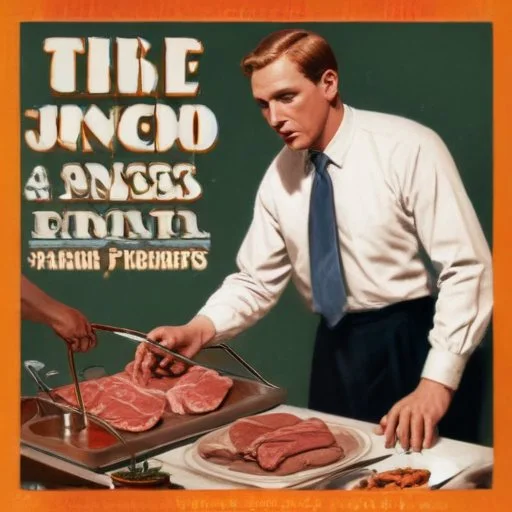
These landmark pieces of legislation were born out of public outcry and Congressional resolve, as the nation reeled from the shocking revelations of Upton Sinclair's novel, The Jungle. The graphic descriptions of filthy slaughterhouses, tainted meat, and deceitful labeling practices had shaken the nation's confidence in the very food it consumed.
For decades, the American food industry had operated with relative impunity, prioritizing profit over people. The rapid expansion of industrial agriculture and manufacturing in the late 19th century had created an environment ripe for exploitation. As urbanization and immigration drove demand for cheap, convenient food, the industry responded with production lines that sacrificed quality and safety for speed and profit.
The consequences were dire. Foodborne illnesses, contamination, and adulteration had become rampant, with little to no accountability from manufacturers or regulatory bodies. It took Sinclair's vivid exposé to galvanize public opinion and spark a crusade for reform.
On June 30, 1906, Congress passed the Meat Inspection Act, which mandated federal inspections of meatpacking plants and imposed stricter standards for sanitation, labeling, and humane treatment of animals. This legislation marked the first time the federal government had assertion jurisdiction over the food industry, signaling a sea change in the relationship between government, industry, and consumer.
The following day, July 1, 1906, Congress passed the Pure Food and Drug Act, which targeted the manipulation and mislabeling of food and pharmaceutical products. This law prohibited the manufacture, sale, or transportation of adulterated or misbranded foods, drugs, and cosmetics, empowering the federal government to regulate the industry and protect American consumers.
Upton Sinclair, the muckraking journalist and author of The Jungle, was a crucial catalyst for reform. His visceral portrayal of the meatpacking industry's atrocities sparked public outrage and mobilized Congressional action.
President Theodore Roosevelt, a vocal advocate for consumer protection, played a significant role in pushing for legislative reform. His leadership and commitment to safeguarding public health helped to galvanize bipartisan support for the Meat Inspection Act and Pure Food and Drug Act.
The Meat Inspection Act and Pure Food and Drug Act had far-reaching consequences for the American food industry. The creation of the Federal Meat Inspection Division and the Bureau of Chemistry (later known as the Food and Drug Administration) enabled the federal government to monitor and enforce food safety standards, significantly reducing the incidence of foodborne illnesses and product contamination.
The legislation also paved the way for future reforms, such as the 1938 Federal Food, Drug, and Cosmetic Act and the 1958 Food Additives Amendment, which further strengthened consumer protections and expanded the scope of food safety regulations.
The Meat Inspection Act and Pure Food and Drug Act not only transformed the food industry but also had a profound impact on American culture. The legislation validated the growing demand for consumer protections and government accountability, setting a precedent for future social and environmental movements.
These laws also spurred a new era of transparency and public awareness, as citizens began to demand greater access to information about the food they consumed. The rise of consumer advocacy groups and the proliferation of educational campaigns reinforced the importance of informed decision-making and responsible consumption.
The passage of the Meat Inspection Act and Pure Food and Drug Act marked a pivotal moment in American history, as the government acknowledged its responsibility to protect citizens from the dangers of industrial food production. This landmark legislation has had a lasting impact on the food industry, consumer culture, and the role of government in safeguarding public health.
As we reflect on this milestone, we are reminded that the pursuit of a safer, healthier, and more just food system is an ongoing endeavor. As we look to the future, we must continue to prioritize consumer protection, industry accountability, and transparent governance, ensuring that the unpalatable truth of the past serves as a catalyst for a brighter, more sustainable future.
The Meat Inspection Act and Pure Food and Drug Act also had a profound impact on American culture, particularly in the realm of food culture. The legislation's emphasis on transparency and accountability led to a shift in consumer attitudes towards food, with people becoming more discerning about what they ate and where it came from. This, in turn, contributed to the rise of the "good food" movement, which emphasized the importance of wholesome, nutritious food.
Furthermore, the laws paved the way for the development of new culinary traditions, as consumers began to demand more diverse and exotic flavors. The increased availability of safe and regulated food products also led to the growth of the food industry, with new companies and products emerging to meet consumer demand.
Moreover, the cultural impact of the legislation extended beyond the food industry, influencing the broader cultural narrative around consumerism and government accountability. The laws served as a model for future social and environmental movements, demonstrating the power of grassroots activism and government intervention in shaping societal change.

The Meat Inspection Act and Pure Food and Drug Act can be compared to other groundbreaking legislation of the era, such as the 1890 Sherman Antitrust Act and the 1914 Federal Trade Commission Act. Like these laws, the Meat Inspection Act and Pure Food and Drug Act aimed to regulate industry and protect consumers, marking a significant shift in the role of government in American society.
In particular, the Meat Inspection Act and Pure Food and Drug Act shared similarities with the 1903 Elkins Act, which targeted monopolies in the railroad industry. All three laws represented a growing recognition of the need for government oversight in promoting fair competition and protecting public welfare.
A comparative analysis of these laws reveals a broader trend towards increased government regulation and consumer protection in the early 20th century, reflecting a growing awareness of the need for accountability and transparency in industry.
Dr. Harvey Washington Wiley: The Crusading Chemist
Dr. Harvey Washington Wiley, a prominent chemist and public health advocate, played a crucial role in the passage of the Pure Food and Drug Act. As the chief chemist of the US Department of Agriculture, Wiley led a campaign to expose the dangers of food adulteration and mislabeling, using his scientific expertise to demonstrate the need for stricter regulations.
Wiley's tireless advocacy and meticulous research helped to galvanize public opinion and win over Congressional support for the legislation. His commitment to consumer protection and public health earned him the nickname "The Father of the Pure Food and Drug Act."

The economic impact of the Meat Inspection Act and Pure Food and Drug Act was significant, as the legislation led to increased costs for industries that were forced to comply with stricter regulations. However, the long-term benefits of the laws far outweighed the initial costs, as the increased transparency and accountability led to improved product quality and reduced instances of foodborne illness.
The laws also created new business opportunities, as companies that prioritized safety and quality were able to capitalize on consumer demand for trustworthy products. Furthermore, the legislation paved the way for the growth of new industries, such as the organic and natural food sectors.
According to some estimates, the Meat Inspection Act and Pure Food and Drug Act saved the US economy tens of millions of dollars in the long run, by reducing the incidence of foodborne illness and improving overall public health.
The Historiographical Significance of the Meat Inspection Act and Pure Food and Drug Act
Historians have long recognized the Meat Inspection Act and Pure Food and Drug Act as watershed moments in the development of American regulatory policy. These laws marked a turning point in the relationship between government and industry, as the state began to assert its authority in protecting public welfare.
Scholars have interpreted the laws as part of a broader trend towards progressive reform, which sought to address the social and economic ills of the Gilded Age. The legislation has also been seen as a precursor to later regulatory initiatives, such as the New Deal and the Great Society programs.
Moreover, the Meat Inspection Act and Pure Food and Drug Act have been celebrated as a triumph of consumer advocacy, demonstrating the power of grassroots mobilization in shaping public policy.