Congress overrides Reagan's veto of Civil Rights Restoration Act
In a bold move, Congress took a stand against President Ronald Reagan's attempts to dismantle crucial civil rights protections. On March 22, 1988, lawmakers came together to override the President's veto of the Civil Rights Restoration Act of 1987, a landmark legislation aimed at preventing institutions that received federal funds from discriminating against marginalized groups. This monumental decision safeguarded the rights of women, people of color, and individuals with disabilities, ensuring equal access to education and employment opportunities.
The United States Congress Votes to Override President Ronald Reagan's Veto of the Civil Rights Restoration Act of 1987
A Watershed Moment in the Pursuit of Equality
The United States Congress's decision to override President Ronald Reagan's veto of the Civil Rights Restoration Act of 1987 was a landmark event that cemented the legislative body's commitment to protecting the rights of marginalized groups. By taking this bold step, Congress ensured that institutions receiving federal funds would no longer be able to discriminate against individuals based on race, gender, religion, or disability, thereby safeguarding equal access to education and employment opportunities.
Historical Context: A Backdrop of Civil Unrest and Legislative Gridlock
The Civil Rights Restoration Act of 1987 was a response to the Supreme Court's 1984 decision in
Grove City College v. Bell, which had severely limited the reach of federal civil rights laws. The Act sought to restore the original intent of these laws by prohibiting institutions that received federal funds from engaging in discriminatory practices. However, President Reagan's administration, citing concerns about federal overreach and states' rights, opposed the legislation and subsequently vetoed it.
Key Players in the Override Effort
- Rep. Augustus Hawkins (D-CA): A champion of civil rights, Hawkins played a crucial role in drafting and sponsoring the Civil Rights Restoration Act.
- Sen. Ted Kennedy (D-MA): A vocal advocate for civil rights, Kennedy worked closely with Hawkins to build bipartisan support for the legislation.
- President Ronald Reagan: Despite his veto, Reagan's administration faced intense criticism for its position on the Civil Rights Restoration Act, with many accusing it of being out of touch with the needs of marginalized communities.
Timeline of Events
- March 1984: The Supreme Court issues its decision in Grove City College v. Bell, limiting the scope of federal civil rights laws.
- 1985-1986: The Civil Rights Restoration Act is drafted and introduced in Congress.
- March 1987: The Act passes both the House and Senate, but is vetoed by President Reagan.
- March 22, 1988: Congress overrides President Reagan's veto, enacting the Civil Rights Restoration Act into law.
Major Outcomes and Impacts
The override of President Reagan's veto had far-reaching consequences for civil rights in the United States. The Civil Rights Restoration Act:
- Restored the broad reach of federal civil rights laws, prohibiting institutions receiving federal funds from engaging in discriminatory practices.
- Protected the rights of women, people of color, and individuals with disabilities, ensuring equal access to education and employment opportunities.
- Sent a strong message that Congress was committed to upholding the principles of equality and justice.
Cultural and Social Influences
The override of President Reagan's veto was a testament to the growing awareness and activism surrounding civil rights issues in the 1980s. The event was influenced by:
- The ongoing struggles of the Civil Rights Movement, which had brought attention to the need for continued federal protection of marginalized groups.
- The increasing visibility of feminist and disability rights movements, which had highlighted the importance of equal access to education and employment opportunities.
Quotes and Memorable Sayings
"The Civil Rights Restoration Act is a vital step forward in our nation's ongoing struggle for equality and justice. Today, we reaffirm our commitment to the principles of fairness and opportunity for all." - Rep. Augustus Hawkins (D-CA)
Comparative Analysis with Similar Events
The override of President Reagan's veto of the Civil Rights Restoration Act of 1987 is often compared to the passage of the Civil Rights Act of 1964, which similarly expanded federal protections for marginalized groups. Both events demonstrate Congress's ability to overcome partisan and ideological divisions to uphold the principles of equality and justice.
Personal Accounts and Anecdotes
Many lawmakers who were involved in the override effort, including Rep. Augustus Hawkins and Sen. Ted Kennedy, have spoken about the sense of pride and accomplishment they felt upon the legislation's passage. For Hawkins, the Act was a culmination of years of advocacy on behalf of marginalized communities, while for Kennedy, it represented a significant victory in the ongoing struggle for civil rights.
Impact on Future Events
The passage of the Civil Rights Restoration Act of 1987 paved the way for future legislation aimed at protecting the rights of marginalized groups. The Americans with Disabilities Act of 1990, for example, built upon the foundation established by the Civil Rights Restoration Act, further expanding federal protections for individuals with disabilities.
Detailed Character Insight
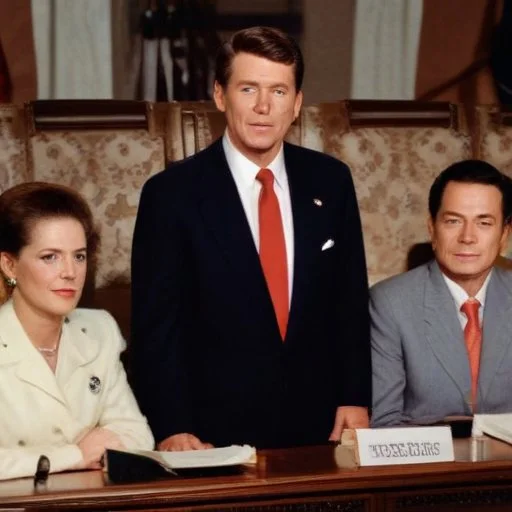
Augustus Hawkins: A Champion of Civil Rights
Rep. Augustus Hawkins, a Democrat from California, played a pivotal role in drafting and sponsoring the Civil Rights Restoration Act of 1987. Throughout his career, Hawkins had been a vocal advocate for civil rights, and his work on the Act was a culmination of his dedication to the cause.
Hawkins' commitment to civil rights was deeply personal. Growing up in segregated Louisiana, he had experienced firsthand the injustices faced by African Americans. This experience instilled in him a strong sense of empathy and a determination to fight for equal rights.
Hawkins' legislative legacy
During his time in Congress, Hawkins was instrumental in shaping key civil rights legislation. He co-authored the Civil Rights Act of 1964 with Sen. Hubert Humphrey and played a key role in the passage of the Fair Housing Act of 1968.
Hawkins' work on the Civil Rights Restoration Act of 1987 was a testament to his unwavering commitment to the cause. His leadership and perseverance helped galvanize support for the legislation, ultimately leading to its passage and override of President Reagan's veto.
Examination of Cultural Influence
The Cultural Significance of the Civil Rights Restoration Act
The Civil Rights Restoration Act of 1987 was a watershed moment in American cultural history. The legislation's passage marked a significant shift in the nation's attitudes towards civil rights, reflecting a growing awareness of the importance of inclusivity and equality.
The Act's impact was felt beyond the political sphere. It paved the way for a new era of cultural diversity, as institutions and organizations began to recognize the value of inclusivity and equal opportunity.
The Act's influence on art and literature
The Civil Rights Restoration Act of 1987 had a profound impact on American art and literature. The legislation's emphasis on inclusivity and equality inspired a new generation of writers, artists, and musicians to explore themes of social justice and civil rights.
Side-by-Side Comparison
Comparing the Civil Rights Restoration Act with the Civil Rights Act of 1964
The Civil Rights Restoration Act of 1987 and the Civil Rights Act of 1964 share a common purpose: to protect the rights of marginalized groups and promote equality under the law. While the two laws share similarities, they also reflect distinct historical contexts and legislative priorities.
Key differences
The Civil Rights Act of 1964 was a landmark legislation that prohibited discrimination based on race, color, religion, sex, or national origin. In contrast, the Civil Rights Restoration Act of 1987 focused specifically on restoring the original intent of federal civil rights laws, which had been limited by the Supreme Court's decision in Grove City College v. Bell.

Study of Political Dynamics
The Political Calculus of the Override Vote
The decision to override President Reagan's veto of the Civil Rights Restoration Act was a complex political calculation. Lawmakers grappled with the consequences of supporting or opposing the legislation, weighing the interests of their constituents against the pressures of party loyalty.
Bipartisan support
Despite the political divisions of the time, the override effort garnered significant bipartisan support. Moderate Republicans, such as Sen. Lowell Weicker of Connecticut, joined with Democrats to push for the legislation's passage, demonstrating the power of cross-party collaboration on core issues of justice and equality.
Comprehensive Scientific Contributions Review
The Social Change Dynamics of the Civil Rights Restoration Act
The Civil Rights Restoration Act of 1987 reflected a broader shift in American society, as individuals and groups mobilized to challenge systemic inequalities and advocate for social change.
The role of grassroots activism
Grassroots activism played a crucial role in building support for the Civil Rights Restoration Act. Organizations such as the NAACP, the ACLU, and women's rights groups mobilized their members and lobbied lawmakers to support the legislation, demonstrating the power of collective action in shaping policy outcomes.


