


In the sweltering summer of 1787, a watershed moment in American history unfolded as the United States Constitution was signed in Philadelphia, marking the first step towards shaping the nation's future. This monumental event would forever alter the course of American politics, governance, and society, cementing the nation's status as a beacon of democracy.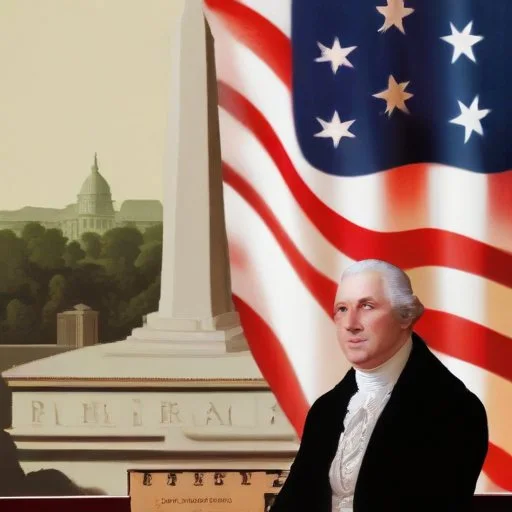
After months of intense debate, negotiation, and compromise, 39 visionary delegates gathered at Independence Hall, putting aside their differences to forge a unified framework for the fledgling nation. The Constitution, drafted in secrecy, was the culmination of their collective wisdom, marking a significant departure from the Articles of Confederation that had governed the young nation since 1781.
Among the esteemed signatories were some of the most influential figures in American history, including George Washington, Alexander Hamilton, and James Madison. These statesmen, along with others, brought their unique perspectives and expertise to the table, shaping the Constitution's provisions and principles.
From May 25 to September 17, 1787, the Constitutional Convention witnessed moments of brilliance, frustration, and compromise, ultimately culminating in the signing of the Constitution.
The signing of the Constitution had far-reaching consequences, shaping the course of American politics, governance, and society.
The Constitution:
Wisdom from the signatories themselves:
"We the People" are the three most important words in the Constitution.
- James Madison
The liberties of our country, the freedom of our civil constitution, are worth defending at all hazards.
- Alexander Hamilton
The signing of the United States Constitution is a testament to the power of cooperation, compromise, and visionary leadership. As we reflect on this pivotal moment in American history, we are reminded of the enduring importance of the Constitution, a living document that continues to shape the nation's future.
This sacred trust, entrusted to us by the Founding Fathers, remains a beacon of hope, freedom, and democracy, inspiring generations to come.
The signing of the United States Constitution marked a significant turning point in American historiography. Historians have long debated the role of the Founding Fathers, with some viewing them as heroic visionaries and others criticizing their limited representation of the broader population. The Constitution's signing has also been seen as a response to the shortcomings of the Articles of Confederation, which had governed the young nation since 1781.
Recent historiographical trends have shifted towards a more nuanced understanding of the Constitution's creation, acknowledging the complexities and compromises that shaped the document. This more critical approach has led to a deeper appreciation for the Constitution's significance, both as a founding document and as a living, evolving framework for American governance.

Alexander Hamilton, one of the key drafters of the Constitution, was a complex and multifaceted figure. Born on the island of Nevis in the West Indies, Hamilton was orphaned at a young age and went on to become a self-taught scholar, eventually attending King's College (now Columbia University) in New York.
Hamilton's experiences as a young immigrant shaped his views on government and economics, leading him to advocate for a strong central authority and a unified national banking system. His vision for the United States was one of industrial and commercial development, driven by a strong federal government.
The United States Constitution was heavily influenced by the ideas and structures of other governments, both past and present. The concept of federalism, for example, was borrowed from the ancient Greeks, while the system of checks and balances was inspired by the British system of government.
In turn, the Constitution has had a profound impact on constitutional development around the world. The document's emphasis on democracy, representation, and individual rights has inspired countless countries to adopt similar systems of government.
This cross-pollination of ideas has created a rich tapestry of constitutional thought, with the United States Constitution serving as a beacon of democracy and freedom.

The signing of the United States Constitution had far-reaching cultural implications, shaping the course of American art, literature, and identity. The document's emphasis on individual rights and freedoms created a cultural landscape that valued creativity, innovation, and self-expression.
The Constitution also inspired a sense of national pride and identity, fostering a cultural narrative that celebrated American exceptionalism. This narrative has been reflected in American art, literature, and music, which have often explored themes of freedom, democracy, and the American Dream.
The United States Constitution had significant economic implications, establishing the framework for a federal system of government that would facilitate commerce and industry. The document's provisions for a strong central authority and a unified national banking system helped to create a stable economic environment, attracting investment and fostering growth.
The Constitution's emphasis on individual rights and freedoms also created an environment conducive to entrepreneurship and innovation, driving the growth of American industry and commerce. Today, the United States is one of the world's leading economic powers, with the Constitution serving as a foundation for its economic system.