


On June 18, 1812, President James Madison put his signature on the United States' declaration of war against the United Kingdom, marking the beginning of the War of 1812. This pivotal moment in American history was the culmination of years of tension and provocation between the two nations, and would go on to shape the course of the young republic.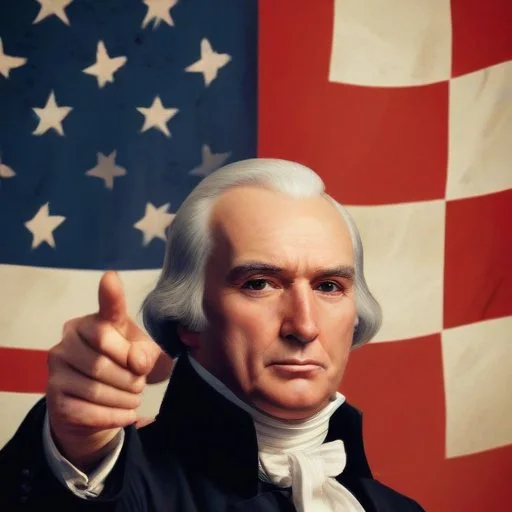
The War of 1812 was not a sudden or unexpected conflict. Rather, it was the result of a long-simmering pot of grievances and rivalries between the United States and Great Britain. The British Navy's practice of impressment, where American sailors were forcibly conscripted into service, had long been a thorn in the side of American pride and sovereignty. Additionally, the UK's trade restrictions and support for Native American resistance against American expansion had created a sense of economic and territorial frustration among the American people.
While President James Madison was the figurehead of the American war effort, other notable individuals played crucial roles in shaping the conflict. Henry Clay, the Kentucky senator and leader of the War Hawks, had been a vocal advocate for war with Britain. Meanwhile, the British government had its own cast of characters, including Prime Minister Lord Liverpool and Admiralty Minister Lord Melville, who would shape the UK's strategy and response to the American declaration of war.
The War of 1812 would prove to be a transformative experience for the United States, shaping the nation's identity, economy, and foreign policy for generations to come. The war saw the burning of Washington, D.C. by British troops, the writing of "The Star-Spangled Banner" by Francis Scott Key, and the emergence of the USS Constitution as a symbol of American naval power. In the Treaty of Ghent, signed on December 24, 1814, the UK and US agreed to restore relations to what they were prior to the war, with neither side able to achieve significant territorial or economic gains.
The War of 1812 has left an indelible mark on American culture, from the anthemic "The Star-Spangled Banner" to the iconic designs of the USS Constitution. The war also saw the rise of a distinctly American literature, with authors such as James Fenimore Cooper and Washington Irving drawing inspiration from the conflict. Furthermore, the war helped to galvanize American nationalism, paving the way for westward expansion and the growth of the United States into a global superpower.
As we look back on this pivotal moment in American history, we are reminded that the War of 1812 was not just a conflict between nations, but a defining chapter in the story of a nation's growth, resilience, and character.
Henry Clay, the leader of the War Hawks, was a vocal advocate for war with Britain. Born in Virginia in 1777, Clay was a skilled orator and politician who served as a senator from Kentucky. He believed that war with Britain was necessary to assert American sovereignty and to expand the country's territory.
Clay's advocacy for war was not solely driven by a desire for conflict. Rather, he saw it as an opportunity to address the long-standing grievances between the two nations and to secure America's economic and territorial interests. His leadership and persuasive abilities played a significant role in shaping the American war effort.

The Chesapeake-Leopard Affair was a pivotal event that contributed to the growing tensions between the United States and Great Britain. On June 22, 1807, the British warship HMS Leopard fired on the American naval vessel USS Chesapeake, killing and wounding several American sailors.
This incident sparked widespread outrage across the United States, with many Americans calling for war against Britain. The affair highlighted the long-standing issue of impressment and the perceived disregard for American sovereignty by the British Navy.
The War of 1812 had a profound impact on American culture, particularly in the realm of literature. Authors such as James Fenimore Cooper and Washington Irving drew inspiration from the conflict, creating works that reflected the nation's growth and identity.
The war also saw the emergence of distinctively American music, with songs like "The Star-Spangled Banner" becoming anthems of American patriotism. The war's cultural legacy continues to be felt today, with its influence visible in American art, literature, and music.
The Declaration of War signed by President James Madison on June 18, 1812, is a historically significant document that marked the beginning of the War of 1812.
This document, which is housed in the National Archives, provides valuable insights into the events leading up to the war and the rationales behind the American decision to go to war.
The Declaration of War is an important artifact of American history, offering a unique window into the thoughts and motivations of the nation's leaders during this pivotal period.
The War of 1812 had significant economic consequences for the United States. The British naval blockade and the resulting trade restrictions led to a decline in American exports and a shortage of goods.
The war also led to a surge in inflation, with prices for goods such as food and clothing increasing dramatically. Furthermore, the war effort required significant government expenditures, leading to an increase in national debt.
The economic costs of the war were a significant burden for the American people, with many families struggling to make ends meet during this period.