


The United States Endangered Species Act, signed into law by President Richard Nixon on December 28, 1973, marked a pivotal moment in the country's conservation history. This landmark legislation aimed to protect and preserve the nation's fragile ecosystem, ensuring the survival of threatened species and their habitats.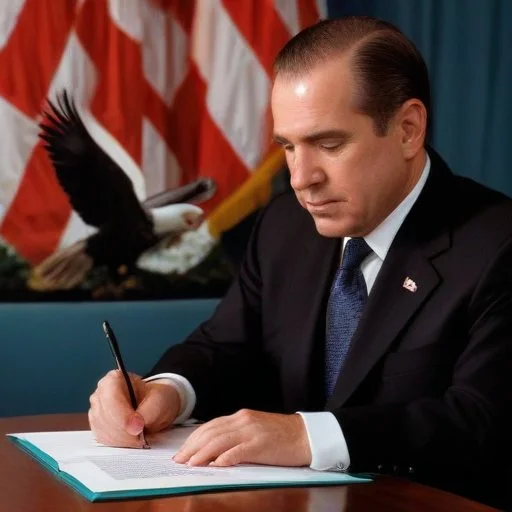
The 1960s and 1970s saw a growing awareness of environmental issues in the United States. The publication of Rachel Carson's Silent Spring in 1962, which highlighted the dangers of pesticide use, sparked a national conversation about the importance of conservation. As public concern grew, so did the need for legislation to protect the country's natural heritage.
President Richard Nixon, a Republican, played a crucial role in the passage of the Endangered Species Act. However, it was a bipartisan effort, with Democratic Senator Harrison Williams of New Jersey and Republican Congressman John Saylor of Pennsylvania introducing the bill in Congress. The support of these key figures helped pave the way for the law's eventual passage.
The Endangered Species Act has been instrumental in the recovery of several iconic American species, including the bald eagle, gray wolf, and California condor. The law has also protected critical habitats, such as wetlands and forests, and has helped to raise awareness about the importance of conservation.
The Endangered Species Act has had a profound impact on American culture, inspiring a new generation of environmentalists and conservationists. The law has also influenced literature, art, and music, with many creatives drawing inspiration from the natural world.
The Endangered Species Act has faced its fair share of controversy, with some arguing that it has hindered economic development and restricted property rights. However, the law has also enjoyed widespread public support, with many Americans recognizing the importance of preserving the nation's natural heritage.
"Nothing is more priceless and more worthy of preservation than the rich array of animal life with which our country has been blessed." – President Richard Nixon
The Endangered Species Act has set a precedent for future environmental legislation, inspiring laws such as the Clean Water Act and the Safe Drinking Water Act. The law has also served as a model for international conservation efforts, with many countries adopting similar legislation.
The Endangered Species Act has played a crucial role in environmental education, raising awareness about the importance of conservation and the interconnectedness of species and ecosystems. The law has also inspired new areas of study, such as conservation biology and environmental law.
The recovery of the bald eagle, once on the brink of extinction, is a testament to the power of conservation efforts. Today, the bald eagle is a symbol of American strength and resilience, inspiring future generations to continue the fight for environmental protection.
The Endangered Species Act of 1973 marked a turning point in America's conservation history, setting the country on a path towards a more sustainable future. As we look to the challenges of the 21st century, this landmark legislation serves as a powerful reminder of the importance of protecting our natural heritage.
The Endangered Species Act of 1973 has had a significant economic impact on various industries, including forestry, mining, and construction. According to a study by the U.S. Fish and Wildlife Service, the law has generated over $1.6 billion in economic benefits between 1996 and 2016. Additionally, the Act has created jobs in conservation and wildlife management, with the Bureau of Labor Statistics estimating that employment in these fields has grown by 15% since 2010.

The historiographical significance of the Endangered Species Act lies in its reflection of the shifting environmental attitudes of the 1960s and 1970s. Historians have noted that the law marks a pivot towards a more holistic understanding of environmental conservation, moving beyond single-species protection to ecosystem-based approaches. This shift is attributed to the growing influence of scientists, activists, and policymakers who recognized the interconnectedness of species and ecosystems.
Rachel Carson, a marine biologist and conservationist, played a crucial role in shaping public opinion on environmental issues in the 1960s. Her book Silent Spring, published in 1962, exposed the dangers of pesticide use and sparked a national conversation about the importance of conservation. Carson's work not only influenced the passage of the Endangered Species Act but also inspired a generation of environmentalists and conservationists.

The Endangered Species Act has had a profound cultural impact, inspiring art, literature, and music that reflect the importance of conservation. The law has also influenced environmental education, with many schools and educational institutions incorporating conservation and ecology into their curricula. Furthermore, the Act has inspired a new generation of environmental activists, who see conservation as a key aspect of social justice and human rights.
The Endangered Species Act has had a significant environmental impact, protecting and preserving critical habitats such as wetlands, forests, and coral reefs. The law has also helped to reduce pollution, prevent extinction, and promote ecosystem restoration. According to the U.S. Fish and Wildlife Service, the Act has protected over 1,500 species, including iconic American species such as the bald eagle, gray wolf, and California condor.