


In the heat of World War II, the United States government took a drastic step to fuel its war machine – compulsory civilian gasoline rationing. As of July 1942, Americans were forced to tighten their belts, and their gas-guzzling habits, to support the war effort.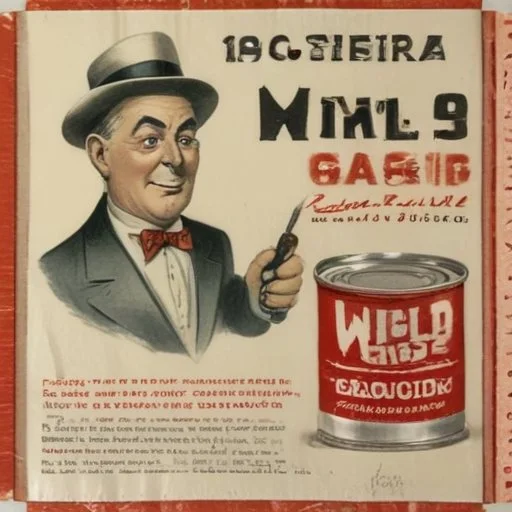
The United States had been supplying its allies with fuel and resources since the early 1940s. However, with the country's entry into the war, the demand for fuel skyrocketed. The U.S. military required vast amounts of gasoline to power its tanks, trucks, and airplanes. To meet this demand, the government had to curb civilian consumption.
The rationing program had a significant impact on American life. Citizens were forced to adopt fuel-efficient habits, carpooling, and using public transport became the norm. The program also led to the development of more fuel-efficient vehicles and alternative modes of transportation.
The rationing era saw a shift in American culture. With the emphasis on conservation, citizens began to adopt a more frugal lifestyle. The "use it up, wear it out, make it do, or do without" slogan became a rallying cry for the conservation effort.
Initially, there was widespread discontent among the public, with many seeing rationing as an infringement on their personal freedoms. However, as the war effort gained momentum, public opinion shifted, and citizens began to see the sacrifices as necessary for the greater good.
Rationing forced Americans to get creative. Car owners began to modify their vehicles to run on alternative fuels, such as wood or charcoal. Some entrepreneurs even started selling "gasoline-free" vacations, where tourists would travel by horse-drawn carriage or bicycle.
The rationing era laid the groundwork for future conservation efforts. The 1970s oil embargo, for instance, saw a resurgence of fuel-efficient practices and the development of more environmentally friendly technologies.
In the end, the United States' gritty gasoline rationing era was a testament to the American people's ability to come together and make sacrifices for the greater good. As the war effort concluded, the country emerged stronger, more resourceful, and more environmentally conscious.
During the gasoline rationing era, women played a significant role in the war effort. With many men fighting overseas, women took on new responsibilities, including managing households and working in industries that supported the war effort. The rationing program forced women to become more resourceful and frugal, adopting new practices such as carpooling, using public transportation, and conserving fuel. This shift in roles and responsibilities empowered women and paved the way for future generations of female leaders.
The rationing era also saw a rise in women's participation in sports and outdoor activities. With gas-guzzling sports like motoring and boating no longer feasible, women turned to alternative activities like cycling, hiking, and swimming. This shift towards more sustainable and environmentally friendly activities helped to promote a healthier and more active lifestyle for women.
The gasoline rationing program had a significant impact on the U.S. economy. With fuel consumption reduced by up to 40%, the demand for oil decreased, leading to a decrease in oil prices. This, in turn, led to a reduction in the cost of goods and services, helping to combat inflation and stabilize the economy.
The rationing program also led to the development of new industries, such as the production of alternative fuels and the manufacturing of fuel-efficient vehicles. This led to the creation of new jobs and stimulated economic growth.
Moreover, the rationing program helped to reduce the U.S. trade deficit by reducing the country's reliance on imported oil. This helped to promote energy independence and stimulated domestic economic growth.
Pete Kyle, the head of the Office of Price Administration (OPA), was the mastermind behind the gasoline rationing program. A former lawyer and businessman, Kyle was appointed by President Roosevelt to oversee the OPA in 1941. Under his leadership, the OPA implemented the rationing program, which was widely criticized at first but eventually gained public support.
Kyle's leadership and vision were instrumental in making the rationing program a success. He worked tirelessly to educate the public about the importance of conservation and implemented innovative measures to reduce fuel consumption.
The gasoline rationing era saw a surge in technological innovations, driven by the need to conserve fuel and find alternative energy sources. One of the most significant innovations was the development of more fuel-efficient vehicles. Car manufacturers began to produce vehicles with smaller engines, lighter materials, and more aerodynamic designs, reducing fuel consumption and emissions.
The rationing era also saw the development of alternative fuels, such as ethanol and propane. These fuels were used to power vehicles, reducing the country's reliance on gasoline and promoting energy independence.
The gasoline rationing program was not without its political controversies. The program was widely criticized by some politicians, who saw it as an infringement on personal freedoms and a threat to the economy.
However, President Roosevelt's leadership and vision helped to assure the public that the rationing program was necessary for the war effort. Roosevelt's speeches and public appearances helped to galvanize public support for the program, and his leadership played a crucial role in making it a success.