


The United States House of Representatives made history on November 17, 1993, by passing a resolution to establish the North American Free Trade Agreement (NAFTA), a landmark decision that would eliminate tariffs and other trade barriers between the US, Canada, and Mexico, creating a massive free trade zone.
This pivotal moment marked a significant shift in global trade dynamics, promising to boost economic growth, create jobs, and increase competitiveness among the three nations. The passage of NAFTA was a culmination of years of diplomatic efforts, negotiations, and debates, which finally came to fruition with a decisive vote of 234-200 in favor of the agreement.
Achieving this monumental feat would not have been possible without the tireless efforts of key figures involved in the process. The triumvirate of US President Bill Clinton, Canadian Prime Minister Jean Chrétien, and Mexican President Carlos Salinas de Gortari played a crucial role in driving the negotiations forward.
NAFTA's implementation had far-reaching consequences, including:
NAFTA's impact extended beyond economic realms, shaping cultural and social exchange between the three nations. The agreement facilitated increased collaboration in education, research, and innovation, as well as fostering greater understanding and cooperation in areas such as environmental protection and labor standards.
Despite the many benefits, NAFTA was not without its criticisms. Some argued that the agreement would lead to job losses, environmental degradation, and exploitation of workers. However, proponents of the agreement argued that the benefits of increased trade and economic growth would outweigh these concerns.
"NAFTA is a vital step forward for our country, for our economy, and for the people of the United States." - President Bill Clinton
The passage of NAFTA marked a significant milestone in international trade relations, setting a precedent for future agreements and shaping the course of economic cooperation in the region. As we look back on this momentous event, we are reminded of the power of diplomatic effort and the enduring impact of visionary leadership.
One of the most significant economic impacts of NAFTA was the increase in trade volumes among the three nations. In the first year alone, US-Canada trade grew by 40%, while US-Mexico trade increased by 60%. This surge in trade led to the creation of new jobs, particularly in the manufacturing sector, where many companies took advantage of the agreement to set up production facilities in Mexico.
The elimination of tariffs and other trade barriers also made US goods more competitive in the Canadian and Mexican markets, leading to an increase in US exports. Additionally, the agreement led to increased foreign investment in the US, as companies from Canada and Mexico took advantage of the new trade opportunities.
NAFTA also had a significant impact on the US agricultural sector, where exports to Canada and Mexico increased significantly. The agreement also led to the growth of new industries, such as the automotive sector, where companies like Ford and General Motors established production facilities in Mexico.

The cultural impact of NAFTA was significant, as the agreement facilitated increased collaboration and exchange between the three nations. The agreement led to an increase in cultural exchange programs, educational exchanges, and joint research initiatives, fostering greater understanding and cooperation between the three countries.
The agreement also led to an increase in tourism, as Canadians and Mexicans took advantage of the new visa-free travel arrangements to visit the US. This, in turn, led to an increase in cultural exchange, as people from different countries and backgrounds came together to share their experiences and perspectives.
NAFTA also had a significant impact on the arts, as the agreement facilitated the exchange of artistic works and ideas between the three nations. This led to a flourishing of cultural creativity, as artists and musicians drew inspiration from the diverse cultural heritage of the three countries.
The passage of NAFTA was a significant political achievement, marking a major milestone in the history of international trade relations. The agreement was the result of tireless diplomatic efforts, involving years of negotiations and debates between the three nations.
The agreement was also a major victory for President Bill Clinton, who had made the passage of NAFTA a key priority of his presidency. Clinton's leadership and diplomacy played a crucial role in securing the agreement, which was hailed as a major achievement by both Democrats and Republicans.
The agreement also had significant implications for US foreign policy, as it marked a shift towards a more cooperative and collaborative approach to international trade relations. The agreement set a precedent for future trade agreements, including the World Trade Organization and subsequent free trade agreements.
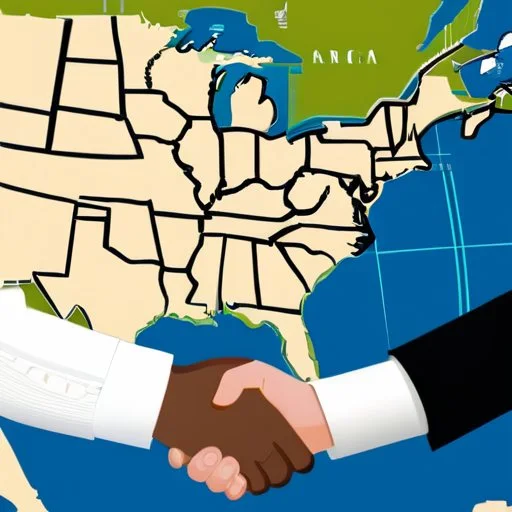
One of the key players behind the passage of NAFTA was President Bill Clinton, who played a crucial role in driving the negotiations forward. Clinton's leadership and diplomacy were instrumental in securing the agreement, which was hailed as a major achievement by both Democrats and Republicans.
Canadian Prime Minister Jean Chrétien was another key figure, who worked closely with Clinton to secure the agreement. Chrétien's experience and diplomatic skills played a crucial role in navigating the complex negotiations and securing a deal that was acceptable to all three nations.
Mexican President Carlos Salinas de Gortari was also a key player, who worked tirelessly to secure the agreement. Salinas' leadership and vision played a crucial role in shaping the agreement, which marked a significant milestone in Mexico's economic development.
The passage of NAFTA marked a significant shift in the global economic landscape, as the three nations came together to create a massive free trade zone. The agreement was seen as a response to the growing economic power of the European Union and Japan, as the three nations sought to establish themselves as a major economic player.
The agreement also marked a significant shift in the global balance of power, as the US, Canada, and Mexico came together to challenge the dominance of the European Union and Japan. The agreement was seen as a major achievement by many, who hailed it as a significant step forward in the development of a more integrated and interconnected global economy.
The passage of NAFTA also had significant implications for other regions, including Latin America and Asia, where countries were eager to follow in the footsteps of the three nations and establish their own free trade agreements.