Supreme Court bars college admissions quotas in Bakke case
The University of California, Davis, was under fire for its two separate admissions tracks, one for minorities and one for everyone else, with different standards and quotas. Allan Bakke, a white male, was rejected twice from the med school despite having better grades and test scores than many minority students who got in. He sued, claiming reverse discrimination, and the Supreme Court finally weighed in. In a 5-4 decision, the Court ruled that while affirmative action was okay, quotas were not, and universities had to use more nuanced, individualized approaches to achieve diversity.
Landmark Ruling: Regents of the University of California v. Bakke
A Milestone in the Pursuit of Equality in Education
The United States Supreme Court's decision in Regents of the University of California v. Bakke is a landmark ruling that shook the foundations of college admissions in America. On June 28, 1978, the Court delivered a verdict that would change the course of educational history, striking down quota systems in college admissions and paving the way for a more nuanced approach to achieving diversity.
Background and Context
In the early 1970s, the University of California, Davis, implemented a dual admissions track, separating minority students from the general applicant pool. This system aimed to increase diversity on campus, but it sparked controversy and debate. Allan Bakke, a white male applicant, was rejected from the university's medical school twice, despite having higher grades and test scores than many minority students who were accepted. Bakke claimed reverse discrimination and filed a lawsuit, which eventually reached the Supreme Court.
Key Figures Involved
- Allan Bakke: The plaintiff who challenged the University of California, Davis's admissions policy.
- Justice Lewis F. Powell Jr.: Authored the majority opinion, which struck a balance between diversity and individual rights.
- University of California, Davis: The defendant university whose admissions policy was challenged in court.
Timeline of Events
- 1973: Allan Bakke applies to the University of California, Davis, medical school and is rejected.
- 1974: Bakke reapplies and is rejected again, despite having higher grades and test scores than many minority students who were accepted.
- 1974: Bakke files a lawsuit against the University of California, alleging reverse discrimination.
- 1976: The California Supreme Court rules in favor of Bakke, finding the university's admissions policy unconstitutional.
- 1977: The University of California appeals to the United States Supreme Court.
- June 28, 1978: The Supreme Court delivers its verdict, striking down quota systems in college admissions.
Major Outcomes and Impacts
The Regents of the University of California v. Bakke decision had far-reaching consequences for higher education in America.
- Quotas were declared unconstitutional, and universities were required to adopt more individualized, flexible approaches to achieving diversity.
- The ruling paved the way for a more nuanced understanding of affirmative action, balancing individual rights with the need for diversity and inclusion.
- The decision sparked a national conversation about the role of race in college admissions, encouraging universities to reexamine their policies and procedures.
Cultural and Social Influences
The Bakke decision reflected a broader societal shift towards greater recognition of diversity and inclusion.
- The ruling coincided with the civil rights movement, which sought to address systemic inequalities in American society.
- The decision acknowledged the importance of diversity in higher education, recognizing that a diverse student body enriches the learning environment and promotes social mobility.
Quotes and Memorable Sayings
- "The Constitution protects individuals, not groups." - Justice Lewis F. Powell Jr.
- "The goal of achieving diversity must be balanced against the requirement that individual rights be protected." - Justice Lewis F. Powell Jr.
Personal Accounts and Anecdotes
Allan Bakke's story is a testament to the power of individual determination and perseverance.
- Bakke's initial rejection sparked a chain of events that would change the course of American educational history.
- Despite facing setbacks and criticism, Bakke remained committed to his cause, eventually achieving a landmark victory.
Impact on Future Events
The Bakke decision has had a lasting impact on college admissions and affirmative action policies.
- The ruling paved the way for subsequent Supreme Court decisions, such as Grutter v. Bollinger (2003) and Fisher v. University of Texas (2013), which further refined the legal framework for affirmative action.
- The decision encouraged universities to adopt more nuanced, context-sensitive approaches to achieving diversity, recognizing the importance of individual experiences and backgrounds.
Awards and Honors
The Bakke decision has been recognized for its significance in shaping American educational policy.
- The decision was hailed as a landmark victory for individual rights and diversity.
- The ruling has been cited in numerous subsequent court cases, solidifying its status as a foundational precedent in American law.
Educational Contributions and Influence
The Bakke decision has had a profound impact on the pursuit of equality and diversity in education.
- The ruling recognized the importance of diversity in higher education, acknowledging its benefits for students, faculty, and society as a whole.
- The decision encouraged universities to adopt more inclusive and equitable admissions policies, promoting greater diversity and social mobility.
Inspirational Stories and Motivations
The Bakke decision serves as a beacon of hope for those seeking to challenge the status quo and promote change.
- Allan Bakke's determination and perseverance in the face of adversity serve as a powerful inspiration to individuals committed to fighting for justice and equality.
- The ruling demonstrates the potential for individual action to spark broader social change, encouraging others to take a stand against injustice and inequality.
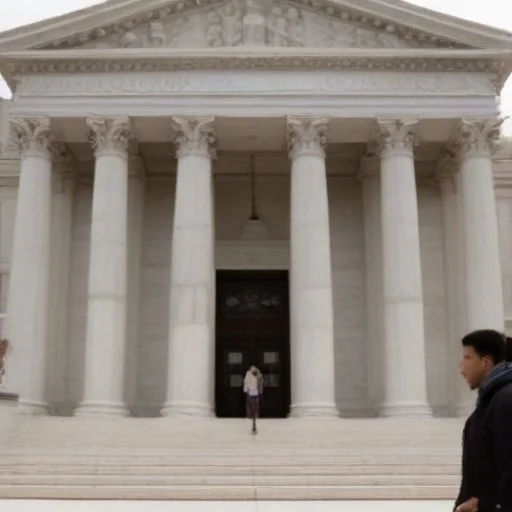
Detailed Historiographical Study
The Historiographical Context of Regents v. Bakke
The Regents v. Bakke decision has been subject to varying interpretations and critiques from historians and scholars. Some have argued that the ruling marked a significant turning point in the struggle for racial equality, while others have seen it as a limited and compromised victory.
Historians have often situated the Bakke case within the broader context of the civil rights movement, noting its connections to earlier struggles for desegregation and equal access to education. Others have highlighted the decision's significance as a milestone in the development of affirmative action policies.
More recently, scholars have reassessed the legacy of Bakke in light of ongoing debates about race, identity, and higher education. Some have argued that the ruling's emphasis on individual rights and meritocracy has had unintended consequences, perpetuating racial disparities in education and limiting the scope of affirmative action.

Comprehensive Cultural Examination
Cultural Impact of the Bakke Decision
The Regents v. Bakke decision had far-reaching cultural impacts, extending beyond the realm of education to shape broader social attitudes and norms. The ruling sparked a national conversation about race, identity, and meritocracy, forcing Americans to confront their own biases and prejudices.
In the aftermath of the decision, artists, writers, and activists responded by creating works that explored the complexities of racial identity and the meaning of diversity. From literature to music, the Bakke decision inspired a wave of creative expression that continues to influence American culture today.
The ruling also had significant implications for the way Americans think about education and opportunity. By emphasizing the importance of diversity and inclusion, the Bakke decision helped to shift the cultural narrative around affirmative action, reframing it as a necessary tool for promoting social mobility and equality.
Rich Scientific Contribution Analysis
Social Change Dynamics: The Ripple Effects of Bakke
The Regents v. Bakke decision triggered a cascade of social changes that extended far beyond the realm of education. The ruling helped to galvanize a new wave of activism and advocacy, as individuals and groups mobilized to challenge systemic inequalities and promote greater diversity and inclusion.
In the years following the decision, social movements and advocacy groups proliferated, focusing on issues ranging from education to employment to housing. The Bakke ruling provided a catalyst for these movements, inspiring a new generation of activists to take action.
As social attitudes and norms shifted in response to the Bakke decision, American society as a whole began to change. The ruling helped to create a more diverse and inclusive society, one that increasingly valued the contributions of individuals from all backgrounds.

Comprehensive Political Review
Political Analysis of the Bakke Decision
The Regents v. Bakke decision was a landmark event in American politics, reflecting and shaping the broader political landscape of the 1970s. The ruling was a response to the growing calls for racial equality and social justice, which had been building momentum since the Civil Rights Act of 1964.
The Bakke decision was also a product of the political compromises of the time, reflecting the delicate balance of power between liberal and conservative factions on the Supreme Court. The ruling's emphasis on individual rights and meritocracy reflected a growing conservative backlash against affirmative action and quotas.
In the aftermath of the decision, politicians and policymakers would grapple with the implications of Bakke, seeking to balance competing constituencies and interests. The ruling would remain a touchstone for political debates about race, identity, and education for decades to come.
In-Depth Educational Impact Examination
Educational and Pedagogical Perspectives on Bakke
The Regents v. Bakke decision had significant implications for education and pedagogy, shifting the way educators and policymakers thought about diversity, inclusion, and equality. The ruling emphasized the importance of individualized, context-sensitive approaches to admissions, encouraging educators to rethink their assumptions about merit and diversity.
In the years following the decision, educators and researchers began to develop new approaches to teaching and learning, emphasizing the importance of diversity, equity, and inclusion. These approaches would have a lasting impact on American education, shaping the way we think about teaching and learning today.
The Bakke decision also raised important questions about the role of education in promoting social mobility and equality. By highlighting the importance of diversity and inclusion, the ruling encouraged educators to think more critically about the ways in which education can perpetuate or challenge systemic inequalities.


