


In a landmark verdict that reverberated throughout the nation's capital, the United States Supreme Court ruled in District of Columbia v. John R. Thompson Co. that restaurants in Washington, D.C. could no longer refuse service to black patrons, effectively dismantling the stronghold of racial segregation in the city's eateries. This pivotal decision, handed down in 1953, marked a significant milestone in the fight against racial discrimination, paving the way for the Civil Rights Movement.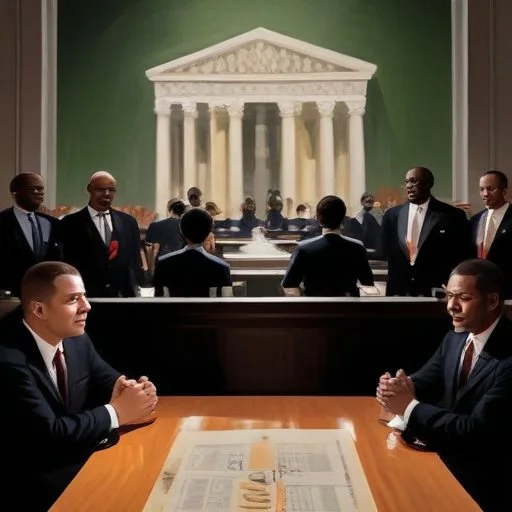
Washington, D.C., the nation's capital, was a city entrenched in segregation. African Americans were relegated to separate and unequal facilities, from schools to restaurants, and were denied basic rights and services. The city's restaurants, in particular, were notorious for their "whites only" policies, leaving blacks to either eat at segregated eateries or venture to the outskirts of the city in search of establishments that would serve them.
At the forefront of the fight against segregation were African American leaders, including Thurgood Marshall, who would later become the first black Supreme Court Justice, and Charles Hamilton Houston, the Dean of Howard University Law School. These men, along with a team of dedicated lawyers, worked tirelessly to challenge the status quo and bring about change.
In 1950, the John R. Thompson Co., a popular diner in Washington, D.C., was sued by several African American plaintiffs who had been refused service. The case made its way through the lower courts, ultimately landing in the hands of the Supreme Court. On June 8, 1953, the Court unanimously ruled that segregation in D.C. restaurants was unconstitutional, citing the Fifth Amendment's due process clause.
The District of Columbia v. John R. Thompson Co. ruling sent shockwaves throughout the nation, striking a significant blow against racial segregation. The decision paved the way for further desegregation in Washington, D.C., and beyond, influencing the Civil Rights Movement of the 1950s and 1960s. It also marked a turning point in the struggle for racial equality, as African Americans began to assert their rights and challenge the status quo.
The District of Columbia v. John R. Thompson Co. ruling reflected a growing national sentiment against segregation. As the NAACP and other civil rights organizations continued to push for change, the tide of public opinion began to shift. The ruling also influenced the passage of landmark legislation, such as the Civil Rights Act of 1964, which outlawed segregation in public accommodations nationwide.
"The struggle for racial equality is not a struggle for the faint of heart, but it is a struggle that must be won." - Thurgood Marshall
"The removal of racial barriers from our national capital is an important step toward the removal of racial barriers from our national life." - Charles Hamilton Houston
While the District of Columbia v. John R. Thompson Co. ruling was hailed as a major victory by many, it was not without its critics. Some segregationists saw the decision as a threat to their way of life, and whites-only establishments continued to operate in defiance of the law. The ruling also sparked heated debates about the role of the Supreme Court in shaping social policy.
The District of Columbia v. John R. Thompson Co. ruling bears striking similarities to the landmark Brown v. Board of Education case, also argued by Thurgood Marshall, which outlawed segregation in public schools. Both cases reflect the growing momentum of the Civil Rights Movement and the essential role played by the Supreme Court in shaping the nation's social landscape.
The District of Columbia v. John R. Thompson Co. ruling serves as a powerful reminder of the importance of standing up against injustice and fighting for equality. As we reflect on this milestone in American history, we are reminded of the power of the human spirit to bring about change and create a more just society for all.
The District of Columbia v. John R. Thompson Co. ruling had a profound impact on the cultural landscape of Washington, D.C. and beyond. As African Americans gained access to previously segregated restaurants, they were able to participate in the city's culinary scene and experience the same level of service as their white counterparts. This newfound access also led to increased economic opportunities for African American entrepreneurs, who were able to open their own restaurants and catering services, creating jobs and stimulating local economies.
Moreover, the ruling paved the way for increased social interaction and cultural exchange between races. African Americans were no longer relegated to separate and unequal spaces, and were able to participate in the city's vibrant social scene. This increased interaction helped to break down racial barriers and stereotypes, and paved the way for greater understanding and cooperation between races.
The ruling also had an impact on the city's identity and sense of self. Washington, D.C. was no longer seen as a city entrenched in segregation, but rather as a beacon of hope and progress for the nation. The city's residents, both black and white, could take pride in their city's commitment to equality and justice.

Charles Hamilton Houston, the Dean of Howard University Law School, was a key figure in the fight against segregation. A brilliant lawyer and strategist, Houston worked tirelessly behind the scenes to challenge the status quo and bring about change. He was a mentor and inspiration to a younger generation of civil rights lawyers, including Thurgood Marshall, and played a crucial role in shaping the legal strategy that led to the District of Columbia v. John R. Thompson Co. ruling.
Houston's leadership and vision were instrumental in pushing the NAACP to adopt a more aggressive and proactive approach to challenging segregation. He believed in the power of the law to bring about change, and was willing to take bold action to achieve his goals.
Despite his many accomplishments, Houston remained humble and dedicated to the cause, working behind the scenes to ensure that others received the recognition they deserved. His legacy as a champion of civil rights continues to inspire and motivate generations of lawyers, activists, and social justice advocates.
The District of Columbia v. John R. Thompson Co. ruling bears striking similarities to the landmark Brown v. Board of Education case, also argued by Thurgood Marshall. Both cases reflect the growing momentum of the Civil Rights Movement and the essential role played by the Supreme Court in shaping the nation's social landscape.
In both cases, the Court recognized the inherent inequality and injustice of segregation, and took bold action to address it. By striking down segregation in public education and public accommodations, the Court paved the way for further desegregation and the ultimately, the passage of landmark legislation like the Civil Rights Act of 1964.
Moreover, both cases highlight the importance of strategic litigation and grassroots activism in bringing about social change. The NAACP's legal strategy, combined with the tireless efforts of activists and community leaders, helped to create a groundswell of public support for civil rights, and paved the way for further progress in the years to come.

The District of Columbia v. John R. Thompson Co. ruling had significant economic implications for the city of Washington, D.C. and beyond. By desegregating restaurants and other public accommodations, the ruling opened up new economic opportunities for African American entrepreneurs and businesses.
Moreover, the ruling helped to stimulate local economies by increasing consumer spending and creating jobs. As African Americans were able to patronize previously segregated businesses, they were able to inject new revenue streams into the local economy, and create new economic opportunities for themselves and their communities.
The ruling also had broader implications for the national economy. By paving the way for further desegregation and the passage of landmark legislation like the Civil Rights Act of 1964, the ruling helped to create a more level playing field for African American businesses and entrepreneurs, and paved the way for greater economic equality and opportunity for all.
The District of Columbia v. John R. Thompson Co. ruling was a major political victory for the Civil Rights Movement, and marked a significant shift in the nation's political landscape. The ruling demonstrated the power of the Supreme Court to shape the nation's social policy, and paved the way for further political and social change.
The ruling also had significant implications for the 1954 presidential election, as it helped to galvanize public support for civil rights and created a sense of urgency around the need for further reform. The ruling's timing, coming just months before the election, helped to put civil rights at the forefront of the national political agenda, and paved the way for further progress in the years to come.
Moreover, the ruling highlighted the importance of strategic politics and coalition-building in bringing about social change. The NAACP's legal strategy, combined with the efforts of activists and community leaders, helped to create a broad coalition of support for civil rights, and paved the way for further political and social progress.