


From the fury of the Pacific Theater to the icy waters of Korea, the Missouri's 16-inch guns roared with precision, earning it a reputation as a formidable force on the high seas. In 1945, it was on board the Missouri that Japanese officials signed the Instrument of Surrender, marking the end of World War II.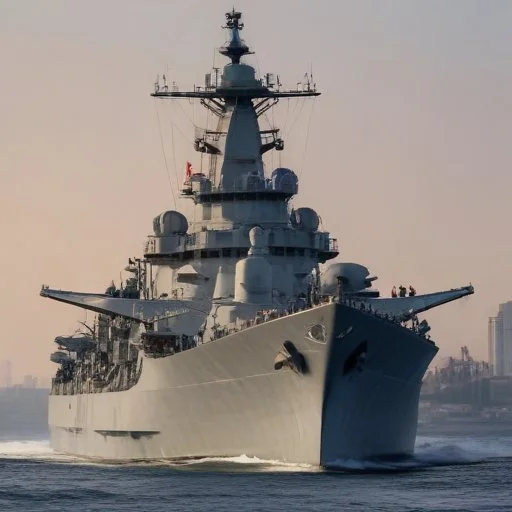
As the Missouri's engines fell silent, a nostalgic sense of closure washed over those who had served on board. It was a poignant reminder that even the most iconic of warships must eventually succumb to the tides of progress.
In the words of Rear Admiral William M. Fogarty, "The Missouri's final voyage marked not only the end of an era, but also the beginning of a new chapter in American history."
Rear Admiral William M. Fogarty, who oversaw the USS Missouri's final voyage, was a decorated naval officer with a distinguished career spanning over three decades. Fogarty's leadership played a crucial role in the Missouri's decommissioning, ensuring a dignified farewell to the legendary battleship.
Throughout his career, Fogarty earned numerous awards and decorations, including the Legion of Merit and the Navy Commendation Medal. His commitment to the Navy and its personnel was evident in his final address to the Missouri's crew, where he praised their dedication and sacrifice.
The decommissioning of the USS Missouri not only marked the end of an era in American naval history but also had significant implications for the global balance of power. The event was closely watched by nations around the world, many of whom had long regarded the Missouri as a symbol of American military might.
In the post-Cold War era, the decommissioning of the Missouri signaled a shift towards a more multi-polar world, where naval power was no longer the sole domain of the United States. This led to a period of re-evaluation and re-alignment among nations, as they adapted to the new reality of a changing global landscape.
The USS Missouri's impressive service record was made possible by its cutting-edge technology, which revolutionized naval warfare. From its 16-inch guns to its Tomahawk missile capabilities, the Missouri embodied the latest advancements in warship design and engineering.
The Missouri's technological innovations had far-reaching implications, not only for the development of modern naval vessels but also for the broader defense industry. Its legacy can be seen in the design of contemporary warships, many of which have incorporated similar technological advancements.
During World War II, the USS Missouri played a pivotal role in the Pacific Theater, participating in several key battles and operations. In 1945, it was part of the Allied forces that besieged the Japanese island of Okinawa, providing crucial naval gunfire support to troops ashore.
Throughout the war, the Missouri's 16-inch guns roared with precision, striking fear into the hearts of Japanese forces. The ship's bravery and skill were recognized with five battle stars, a testament to its invaluable contribution to the Allied victory.
The USS Missouri's cultural impact extends far beyond its military significance, symbolizing American strength and resilience in the face of adversity. The ship's majestic silhouette has been immortalized in film, literature, and art, capturing the imagination of generations.
In popular culture, the Missouri has been featured in numerous movies, including the film "Battleship," which tells the story of the ship's heroic exploits during World War II. The ship's iconic status has also inspired countless books, documentaries, and museum exhibits, cementing its place in American cultural heritage.