On a fateful summer evening in 1923, the untimely demise of President Warren G. Harding thrust Vice President Calvin Coolidge into the spotlight, catapulting him into the highest office in the land. This unexpected turn of events marked a significant shift in American politics, as the nation welcomed a new leader with a distinctly different style and approach.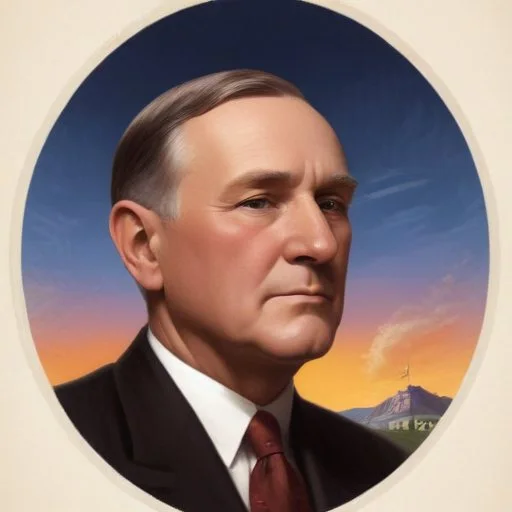
The news of President Harding's death sent shockwaves across the country, and the nation's attention turned to the quiet, unassuming Vice President from Vermont. Coolidge, known for his thriftiness and no-nonsense approach, was suddenly thrust into the role of leader of the free world. As the American people awaited the dawn of a new era, they wondered what this unexpected change in leadership would mean for the country.
Coolidge's journey to the presidency was far from conventional. Born in Plymouth Notch, Vermont, in 1872, he rose to prominence through his involvement in local politics. He served as governor of Massachusetts from 1919 to 1921, before being elected as Vice President under Harding in 1920. Despite his relatively low profile, Coolidge had earned a reputation as a tight-fisted, efficient leader, earning the nickname "Silent Cal."
Coolidge's presidency marked a significant departure from the scandal-ridden Harding administration. He vowed to restore dignity and integrity to the White House, and his thrifty approach to governance earned him widespread approval. The new president's commitment to limited government and reduced spending resonated with the American people, who were reeling from the excesses of the Roaring Twenties.
Coolidge's presidency was marked by several significant achievements, including:
Coolidge's presidency, though unspectacular, was marked by a commitment to fiscal responsibility and a renewed sense of integrity in government. His leadership style, though quiet and unassuming, earned him the respect of the American people. As he vacated the White House in 1929, Coolidge left behind a legacy of prudent governance and a renewed sense of hope for the future.
In the words of Coolidge himself, "The business of America is business." His presidency served as a testament to the power of quiet leadership and the enduring importance of responsible governance.
Behind the scenes, Calvin Coolidge was a complex figure, often misunderstood by his contemporaries. His wife, Grace Coolidge, played a significant role in shaping his public image, encouraging him to wear stylish clothes and smile for the cameras. Despite his reputation as a stoic leader, Coolidge was known to have a dry sense of humor and a love for practical jokes.
His father, John Coolidge, instilled in him the values of frugality and hard work, which would later define his presidency. Calvin's relationship with his father was also marked by a deep sense of respect and admiration, with the younger Coolidge often seeking his father's counsel on important matters.
Coolidge's approach to leadership was also influenced by his experiences as a lawyer, where he developed a keen sense of logic and a commitment to fairness. These traits would serve him well as president, as he navigated the complexities of national politics.>, {EIR