


The Cambodian Campaign, authorized by President Richard Nixon in 1970, marks a pivotal and contentious moment in the Vietnam War. This decision to deploy American combat troops into Cambodia sparked widespread outrage, protests, and debates about the war's legitimacy, presidential power, and the role of the United States in Southeast Asia.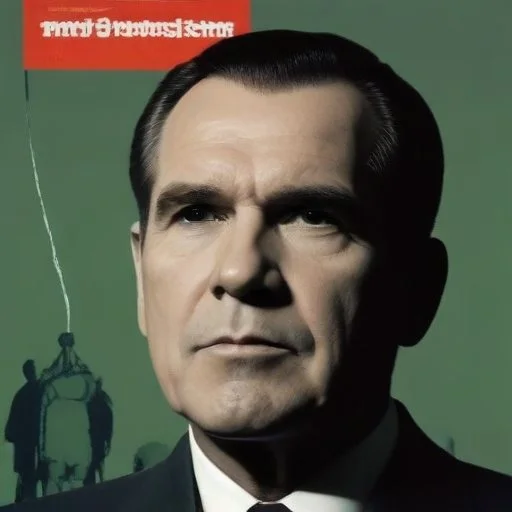
In the late 1960s, the North Vietnamese Army (NVA) and the Viet Cong (VC) had established a network of supply routes and bases within Cambodia, which was officially neutral in the conflict. The United States and South Vietnamese governments viewed these sanctuaries as a significant threat, prompting them to launch a series of secret bombing campaigns, known as Operation Menu, in 1969.
In April 1970, Nixon, citing the need to protect American troops in South Vietnam, authorized the deployment of ground troops into Cambodia. This move was made without consulting Congress, sparking controversy over the limits of presidential power and the constitutionality of the decision.
On May 1, 1970, American and South Vietnamese forces crossed into Cambodia, targeting NVA and VC strongholds along the border. The campaign involved intense fighting, with both sides suffering significant casualties. Despite initial claims of success, the operation ultimately failed to neutralize the NVA and VC presence in the region.
The Cambodian Campaign had far-reaching consequences, including:
The Cambodian Campaign remains a controversial and pivotal moment in the Vietnam War, raising questions about the limits of presidential power, the role of the United States in foreign conflicts, and the human cost of military intervention. As the world looks back on this tumultuous period, it serves as a cautionary tale about the dangers of unchecked power and the importance of accountability in times of war.
Historians have long debated the significance of the Cambodian Campaign, with some viewing it as a critical turning point in the Vietnam War, while others see it as a misguided escalation. Recent scholarship has revised our understanding of the event, highlighting the role of Nixon's advisors, particularly Henry Kissinger, in shaping the decision to invade.
Additionally, historians have also explored the campaign's implications for the broader Cold War narrative, arguing that it marked a pivotal moment in the decline of American power and the rise of communist influence in Southeast Asia.

General Creighton Abrams, the Commander of the United States Forces in Vietnam, played a crucial role in the Cambodian Campaign. A seasoned military leader, Abrams was tasked with implementing Nixon's directives, despite his own reservations about the operation.
Abrams' leadership during the campaign has been the subject of controversy, with some critics accusing him of being overly aggressive, while others praise his efforts to minimize civilian casualties.
Cambodia's strategic location made it a critical buffer zone between North and South Vietnam. The country's official neutrality, however, was precarious, as both the North Vietnamese and the United States sought to exploit its territory for military advantage.
The Cambodian government, led by Prince Norodom Sihanouk, struggled to maintain its independence, caught between the competing interests of the great powers.

The use of chemical agents, including Agent Orange, during the Cambodian Campaign had a devastating impact on the environment and local population. The toxic chemicals contaminated water sources, destroyed crops, and caused long-term health problems for those exposed.
The legacy of chemical warfare continues to affect Cambodia today, with ongoing efforts to decontaminate affected areas and provide compensation to victims.
The Cambodian Campaign has been referenced in various forms of popular culture, including music, film, and literature. From songs like Crosby, Stills, Nash & Young's "Ohio" to films like "Apocalypse Now," the event has become a cultural touchstone for the Vietnam War era.
The campaign has also inspired numerous literary works, including memoirs and novels that explore the human cost of the conflict.