


The Villa Tunari massacre, a brutal confrontation between Bolivian antinarcotics police and coca farmers, left an indelible mark on the country's troubled past. On that fateful day, the normally tranquil town of Villa Tunari witnessed the senseless killing of 9 to 12 protesters, with over a hundred more injuries.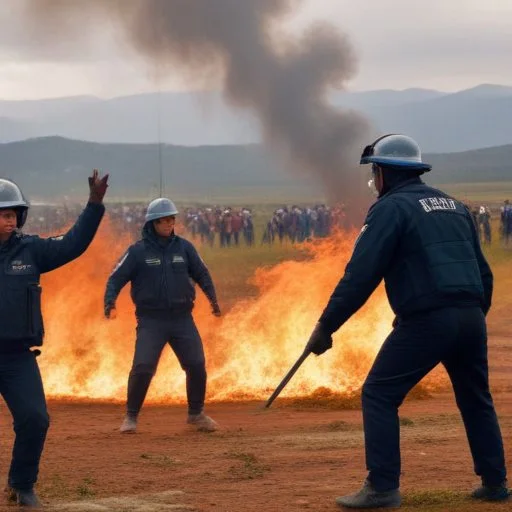
The coca farmers, determined to resist forced eradication of their crops, converged on Villa Tunari to demand an end to the oppressive policies. For them, coca was not only a means of livelihood but also an integral part of their cultural heritage. As tensions escalated, the peaceful protest turned into a deadly confrontation, exposing the deep-seated flaws in Bolivia's approach to combating drug trafficking.
The Villa Tunari massacre sent shockwaves across Bolivia, galvanizing public opinion against the government's heavy-handed approach. The event led to widespread condemnation, both domestically and internationally, forcing the government to reconsider its policies. In the aftermath, the Bolivian government was compelled to engage in dialogue with coca farmers, recognizing their rights and eventually paving the way for a more inclusive approach to drug policy.
The Villa Tunari massacre highlights the complex cultural and social dynamics surrounding coca production in Bolivia. For indigenous communities, coca is a symbol of tradition, identity, and resistance. The event underscores the need for policies that acknowledge and respect the cultural significance of coca, rather than simply viewing it as a drug.
The Villa Tunari massacre exposed the darker side of Bolivia's war on drugs, revealing the heavy-handed tactics employed by the government and the antinarcotics police. The event sparked heated debates about the effectiveness and morality of forced eradication, with many calling for a more nuanced approach that prioritizes development and social justice.
The Villa Tunari massacre serves as a poignant reminder of the human cost of Bolivia's drug policies. It is a testament to the resilience and determination of the coca farmers, who, despite facing brutal repression, continue to assert their rights and challenge the status quo. As Bolivia navigates the complexities of drug policy, the Villa Tunari massacre stands as a powerful symbol of the need for a more just and equitable approach.
The roots of the Villa Tunari massacre can be traced back to the 1950s, when the United States began pressuring Bolivia to eradicate coca crops. This led to a series of military dictatorships that prioritized forced eradication over dialogue with coca farmers. The 1980s saw a surge in coca production, as the Chapare region became a hub for coca cultivation. The Bolivian government's response was to launch Operation Colombia, a military-backed eradication campaign that sparked widespread resistance among farmers.
In the years leading up to the massacre, tensions between the government and coca farmers escalated, with farmers demanding recognition of their rights and an end to forced eradication. The 35-day march to La Paz in 1988, led by Evo Morales, was a pivotal moment in this struggle, as it drew international attention to the plight of coca farmers.

Morales' leadership style was marked by his ability to mobilize grassroots support and build alliances with other social movements. His commitment to social justice and his rejection of neoliberal policies resonated with many Bolivians, earning him the nickname "El Evo".
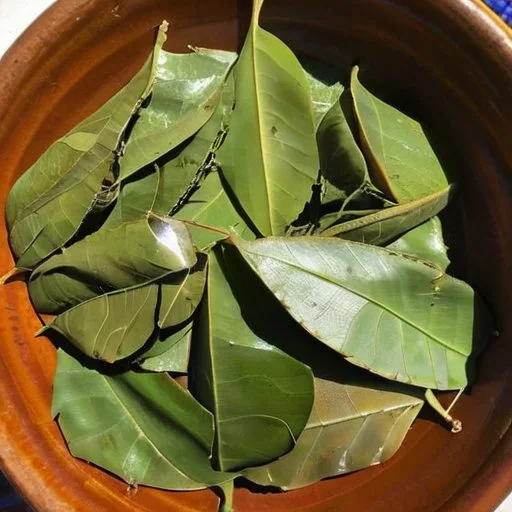
The Villa Tunari massacre highlights the complex cultural dynamics surrounding coca production in Bolivia. For indigenous communities, coca is a symbol of tradition, identity, and resistance. The plant is not only a means of livelihood but also holds deep spiritual and cultural significance, playing a central role in traditional ceremonies and rituals.
The massacre underscores the need for policies that acknowledge and respect the cultural significance of coca, rather than simply viewing it as a drug. The event also sparked a renewed interest in Bolivian cultural heritage, with many indigenous communities working to preserve and promote their traditions in the face of external pressure.
The Villa Tunari massacre was a turning point in Bolivia's political landscape, as it exposed the darker side of the country's war on drugs. The event led to widespread condemnation of the government's heavy-handed approach, forcing policymakers to re-evaluate their strategy.
In the aftermath of the massacre, the Bolivian government was compelled to engage in dialogue with coca farmers, recognizing their rights and eventually paving the way for a more inclusive approach to drug policy. This shift in policy marked a significant departure from the country's previous approach, which prioritized forced eradication over dialogue and cooperation.
The Villa Tunari massacre was a catalyst for social change in Bolivia, as it galvanized public opinion against the government's war on drugs. The event sparked a wave of protests and demonstrations, as Bolivians from all walks of life demanded a more nuanced approach to drug policy.
The massacre also had a profound impact on the social movements of the time, as it brought together disparate groups around a common cause. The event helped to forge alliances between labor unions, student organizations, and indigenous communities, creating a broad-based movement for social justice and human rights.